
Our customers have been hired at: *Foot Note


Table of Contents
Get started with MyPerfectResume today!
- Build a resume on any device
- Pick an ATS-friendly template
- Tailor with AI copy suggestions
Great leaders don’t just manage; they inspire their teams, motivate peers, and drive meaningful business results. But how can you demonstrate these qualities during a job interview?
In this guide, we’ll cover the most common leadership questions, including what hiring managers want to know and how to prepare answers that set you apart from other candidates.
Whether you’re aiming for your first supervisory position or moving into executive management, these leadership interview questions and answers will help you make a powerful impression.
Why Employers Ask Leadership Questions

Leadership questions help employers evaluate your decision-making, problem-solving, and interpersonal skills, qualities that are valuable at any level of an organization.
Effective answers to leadership interview questions demonstrate your ability to take initiative and guide others toward shared goals, ultimately driving team success.
By preparing thoughtful responses, you can show that you are ready to lead, inspire, and make a meaningful impact within the company.
An interview is your chance to tell your story. Highlight not just what you’ve done, but how you’ve done it. Include your approach, problem-solving methods, and the impact you’ve made. This is where you differentiate yourself from other candidates.– Dr. Jasmine Escalera, Career Professional
Common Leadership Interview Questions (With Answers)
Below are some of the most common interview questions for leadership positions with sample answers to help you understand what employers are looking for and how to respond effectively.
1. What is your leadership style?
This question helps interviewers understand how you approach leading a team and whether your leadership style aligns with their workplace culture and values.
Employers want to see if you can adapt your approach to different personalities, challenges, and goals. Your answer gives insight into key indicators of your effectiveness as a leader.
Sample answer
“My leadership style is collaborative and results-oriented. I believe the best outcomes come from open communication and shared accountability. I make a point of understanding each team member’s strengths and leveraging them to build a balanced, motivated group.
When challenges arise, I encourage input from the team before making decisions so everyone feels invested in the solution. This approach has helped me strengthen trust, improve performance, and keep projects moving forward efficiently.”
2. Describe a time when your leadership philosophy helped guide your team through a challenging situation.
Hiring managers want to understand how you apply your principles in real-world situations.
When answering this question, provide a specific example that demonstrates how your leadership skills helped you motivate your team and overcome obstacles.
Sample answer
“In my previous role, our team faced a major project setback when an unexpected technical issue threatened to delay a critical deliverable. I relied on my leadership philosophy of transparency, collaboration, and accountability to guide the team through the challenge.
I called a team meeting to outline the problem clearly, encouraged everyone to contribute ideas, and listened carefully to concerns before creating an action plan. I delegated tasks based on each person’s strengths, provided ongoing support, and monitored their progress.
As a result, we resolved the issue within two days, completed the project on time, and increased overall team efficiency by 15% for future projects. The experience reinforced the value of leading with clarity, empathy, and a results-oriented approach.”
3. What are the top three qualities of an effective leader?
This question helps interviewers understand what you value in leadership and whether your perspective aligns with their organization’s culture.
Tie your response back to specific examples from your experience, showing how you have demonstrated these qualities and how they helped your team achieve results.
Sample answer
“I believe the top three qualities of a great leader are communication, adaptability, and integrity. Communication ensures that team goals are clear and that everyone stays aligned, while adaptability allows a leader to respond effectively to changing circumstances. Integrity builds trust and sets the tone for ethical decision-making.
In my previous role, I led a cross-functional project where clear communication helped the team meet tight deadlines, my adaptability allowed us to pivot when unexpected challenges arose, and maintaining integrity earned the team’s trust during a high-pressure situation. We completed the project on time and exceeded our performance goals.”
4. How do you adjust your approach when managing new versus experienced team members?
Employers want to see how you adapt your leadership approach to different personalities, challenges, and goals. Team leadership interview questions like this one help them assess your flexibility, communication skills, and ability to motivate and develop team members.
Sample answer
“When managing new team members, I focus on providing clear guidance, structured training, and frequent check-ins to ensure they understand expectations and feel supported. For experienced team members, I give more autonomy, encourage them to share their expertise, and involve them in decision-making to leverage their skills.
For example, in a recent project, I onboarded two new hires by pairing them with mentors and setting clear milestones, while simultaneously empowering senior team members to lead sub-projects. This approach kept everyone engaged, reduced errors, and allowed us to complete the project two weeks ahead of schedule.”
5. What do you consider your greatest strength as a leader, and can you provide an example of when it made an impact?
This question helps interviewers identify your strongest leadership qualities and understand how you put them into practice. Mention specific, measurable accomplishments that demonstrate the impact of your strength on a team, project, or organizational outcome.
Sample answer
“I consider my greatest strength as a leader to be my ability to communicate clearly and foster collaboration. In a previous role, our team faced a project with a tight deadline and limited resources. I organized daily briefings to keep everyone aligned, encouraged team members to share ideas, and clarified priorities to reduce confusion.
By promoting open communication and collaboration, we completed the project on time, improved workflow efficiency by 20%, and received positive feedback from both clients and senior leadership. This experience reinforced how effective communication can drive results and keep a team motivated under pressure.”
6. How do you inspire and motivate a team?
This is an example of a common interview question for managers that examines how you spark a team into motion. Consider the tools, techniques, and behaviors you use to engage people and help them perform at their best.
Sample answer
“In my previous team lead role, I focused on building a culture of recognition and shared ownership. I started by clearly articulating our team’s goals and how each member’s contribution mattered to the bigger picture.
Every week, I held a brief “wins and learnings” session where team members shared successes, challenges, and suggestions for improvement. I also introduced peer‑recognition cards to highlight contributions in real time.
Over six months, this approach improved our team engagement score by 18% and enabled us to outperform our project delivery target by 22%. By giving people clarity, feedback, and ownership, I was able to motivate the team to exceed expectations.”
7. Describe a situation where you helped an underperforming employee.
This is a common behavioral interview question that assesses your ability to identify performance issues, provide constructive support, and help employees improve.
Focus on describing the steps you took, your approach to coaching or mentoring, and the measurable results of your efforts.
Sample answer
“In a previous role, I noticed one of my team members consistently missed deadlines and struggled with quality. I scheduled a one-on-one meeting to understand the challenges they were facing and discovered gaps in their training and unclear expectations.
Together, we developed a performance improvement plan that included additional training, regular check-ins, and clearly defined milestones. I provided ongoing feedback and recognized improvements along the way. Within two months, the employee’s performance improved significantly, meeting deadlines consistently and producing higher-quality work.
This experience reinforced the importance of empathy, clear communication, and structured support when helping team members succeed.”
8. How do you delegate tasks and prioritize projects for your team?
This question helps employers evaluate your management skills. A strong answer will highlight how you balance workloads and leverage team strengths without micromanaging.
Sample answer
“When delegating tasks, I assess each team member’s strengths, experience, and current workload. I break projects into clear, actionable steps and assign responsibilities accordingly, making sure everyone understands their priorities and deadlines. I also hold regular check-ins to monitor progress and address any challenges quickly.
For example, during a major product launch at my previous company, I used these management skills to delegate tasks based on expertise, create a visual project timeline, and facilitate weekly status meetings. As a result, the project was completed on schedule, with high-quality outcomes, and the team remained motivated and engaged throughout.”
9. Give an example of how you built trust or cohesion within your team.
Building a strong, cohesive team involves earning trust, fostering collaboration, and creating an environment where team members feel supported and valued. Employers want to see how you encourage collaboration so your team can work effectively toward shared goals.
Sample answer
“In my previous role, I noticed that communication gaps were creating misunderstandings and slowing project progress. To build trust and cohesion, I implemented weekly team meetings where everyone could share updates, voice concerns, and celebrate small wins.
I also encouraged open-door communication and recognized individual contributions in team meetings. Over time, team members became more comfortable sharing ideas and collaborating, which improved efficiency and morale.
By the end of the quarter, our team completed projects 15% faster than the previous quarter, and employee feedback showed a measurable increase in trust and engagement.”
10. How do you handle conflict as a leader?
This question allows you to demonstrate your conflict resolution skills as a leader. Hiring managers want to see how you address disagreements, mediate differing perspectives, and maintain a productive, positive team environment while ensuring goals are met.
Sample answer
“In a recent project at my previous company, two team members disagreed over the best approach to meet an approaching deadline. I first arranged a private meeting with each person to listen openly, acknowledge their perspectives, and clarify the facts.
Then I brought them together for a facilitated discussion, encouraged both sides to propose solutions, and guided us toward a compromise that combined the stronger elements of each approach. I followed up with a clear action plan, set checkpoints, and monitored progress.
As a result, the conflict was resolved within a week, the team met the deadline, and we improved our delivery quality by 12%. This experience reinforced the importance of calm communication, accountability, and timely intervention in my leadership style.”
11. Describe a time you had to make a difficult decision. What was the outcome?
Leaders are often judged by how they handle high-stakes situations. This question gives you the chance to show how you approach tough choices and take responsibility for the outcomes.
Sample answer
“In my previous role, I had to decide whether to reallocate resources from one high-priority project to another that was falling behind schedule.
I carefully assessed the potential impact on both projects, consulted with team leads for input, and considered client deadlines. After evaluating all factors, I strategically reallocated resources, communicated the changes clearly to both teams, and set revised timelines.
As a result, both projects were completed successfully, and the client satisfaction score for the delayed project improved by 15%. This experience reinforced the importance of careful analysis, clear communication, and decisive action when making difficult decisions.”
12. Describe a time when you successfully led your team through an organizational change.
This question assesses your ability to guide a team through change while maintaining productivity, morale, and alignment with company goals. Employers want to see how you communicate, manage resistance, and keep your team focused during transitions.
Sample answer
“In my previous role, our company underwent a major software system change that affected how our team completed daily tasks. I knew this could be disruptive, so I developed a step-by-step transition plan and communicated it clearly to the team.
I held training sessions, created a feedback loop for questions and concerns, and provided regular updates on progress. I also recognized team members who quickly adapted and shared helpful tips with others.
As a result, the team adopted the new system ahead of schedule, productivity increased by 10%, and employee surveys showed improved confidence in using the new tools. This experience reinforced the importance of clear communication, structured planning, and supporting team members through change.”
13. Tell me about a time when you mentored or coached an employee to reach their full potential.
Leadership is about helping others succeed. Use this question to highlight your interpersonal skills and ability to empower your team to achieve meaningful growth.
Sample answer
“In a previous role, I noticed a team member who had strong technical skills but lacked confidence in presenting ideas in meetings. I scheduled regular one-on-one coaching sessions, provided constructive feedback, and encouraged them to lead smaller discussions to gradually build confidence. I also paired them with more experienced team members for mentorship and gave them opportunities to present project updates to senior leadership.
Over six months, their presentation skills improved dramatically, and they successfully led a key client presentation that resulted in a new contract. This experience reinforced my belief that personalized coaching and consistent support can unlock an employee’s potential while benefiting the team and organization.”
14. Describe a time when you had to prioritize multiple projects with tight deadlines. What was your approach?
Effective leaders need strong project management skills to juggle multiple priorities and deliver results on time. This question is an ideal opportunity to reinforce your ability to organize tasks and manage limited resources while keeping your team on track.
Sample answer
“In a previous role, I was managing three overlapping projects, each with tight deadlines and high client expectations. I started by breaking each project into clear tasks, assigning responsibilities based on team members’ strengths, and setting realistic milestones.
I used project management tools to track progress and held brief daily check-ins to identify any bottlenecks early. By maintaining transparency and keeping the team focused, we completed all three projects on schedule, met quality standards, and received positive client feedback. This experience reinforced the importance of structured planning, clear communication, and staying adaptable under pressure.”
15. How do you align your team’s objectives with company goals?
This question assesses your ability to connect your team’s work to broader organizational objectives. Employers want to see how you ensure everyone is focused on shared goals while maintaining motivation and accountability.
Sample answer
“I begin by clearly communicating the company’s strategic goals to my team and explaining how our projects contribute to these objectives. I then work with team members to set measurable targets aligned with those goals and hold regular progress reviews to discuss.
For example, during a product development cycle, I coordinated closely with marketing, sales, and engineering to ensure each team’s efforts supported the overall launch strategy. As a result, we met all milestones on schedule and exceeded projected KPIs by 12%.
This experience reinforced the value of transparency, goal-setting, and consistent communication in keeping team objectives aligned with company priorities.”
16. What has been your biggest leadership challenge, and how did you overcome it?
Leadership is often tested in difficult situations. This question assesses how you identify challenges and implement solutions that not only overcome obstacles but also strengthen your team.
Sample answer
“One of my biggest leadership challenges occurred when I inherited a team that was struggling with low morale and missed deadlines. I began by meeting individually with each team member to understand their concerns and identify bottlenecks.
Then I implemented structured processes, clarified roles and expectations, and introduced regular team check-ins to celebrate progress and address issues promptly.
Over three months, team engagement improved significantly, deadlines were consistently met, and productivity increased by 18%. This experience taught me the importance of active listening, transparent communication, and fostering a supportive environment to overcome leadership challenges.”
17. How do you give constructive feedback to team members?
Providing constructive feedback is an essential element of leadership, and strong communication skills are key to ensuring your guidance is clear, actionable, and motivating.
Hiring managers want to see how you provide constructive feedback that helps team members improve while maintaining positive relationships.
Sample answer
“I approach feedback as an ongoing conversation rather than a one-time event. I start by acknowledging what the team member is doing well, then provide specific, actionable suggestions for improvement.
For example, in my previous role, a team member was missing key details in client reports. I scheduled a one-on-one meeting, highlighted the strengths in their work, and reviewed the areas needing improvement with clear examples. I also set up short follow-ups to monitor progress and offer support.
Within a few weeks, their report accuracy improved significantly, and they gained confidence in their work. This approach reinforces accountability while maintaining trust and motivation.”
18. How do you identify and develop future leaders within your team?
Identifying and developing future leaders is a key part of sustaining a strong, high-performing team.
Your answer should detail your process for recognizing potential and providing upskilling opportunities to prepare team members for increased responsibilities within the organization.
Sample answer
“I start by observing team members’ strengths, work ethic, and problem-solving abilities to identify those with leadership potential. Once identified, I provide opportunities for growth through mentorship, stretch assignments, and involvement in decision-making processes.
For example, I noticed a junior team member who showed initiative and strong analytical skills. I paired them with a senior mentor, assigned them to lead a small project, and gave regular feedback to help refine their skills.
Over six months, they successfully managed the project and earned a promotion to a team lead role. This experience reinforced the importance of proactive development, coaching, and giving team members opportunities to shine.”
19. How have you adapted your leadership style based on feedback from others? Provide a specific example.
This question offers the chance to explain how you respond to constructive feedback and use it to refine your leadership style. Adaptable leaders grow by listening to their team members and adjusting their approach to better support their needs.
Sample answer
“In a previous role, I received feedback that my focus on deadlines sometimes made team members feel pressured and hesitant to share ideas.
I took this seriously and began holding more open discussions during project planning, actively soliciting input, and emphasizing a balance between speed and quality. For example, during a high-stakes project, I adjusted my approach by incorporating regular brainstorming sessions and encouraging team members to propose solutions without fear of judgment.
As a result, team engagement improved, innovative ideas increased, and we completed the project on schedule while exceeding quality expectations. This experience reinforced the value of listening, adapting, and fostering a supportive team culture.”
20. How do you continue to develop and improve your skills as a leader?
This question allows you to show your commitment to growth and self-improvement as a leader.
Employers want to see that you actively pursue opportunities to strengthen your skills, stay current with best practices, and enhance your ability to lead effectively.
Sample answer
“I prioritize continuous learning through a mix of formal training, mentorship, and self-reflection. I regularly attend leadership workshops and webinars to stay updated on industry trends and emerging best practices. I also seek feedback from peers and team members to identify areas for improvement and reflect on past experiences to refine my approach.
For instance, after recognizing a need to improve team engagement, I took a course on motivational leadership and implemented new strategies, which led to increased collaboration and higher productivity. I believe that ongoing development is essential for leading effectively and inspiring my team.”
Tips for Answering Interview Questions About Leadership
Answering leadership interview questions is your chance to demonstrate not only your experience but also your approach, mindset, and ability to drive results. Below are some practical strategies to help you deliver strong, memorable answers.
Stand out with the STAR method
Organizing your answers clearly is essential for making a strong impression. Using frameworks like the STAR method (Situation, Task, Action, Result) helps you tell a complete story.
Here is a breakdown of how to structure your responses using the STAR method:
Situation: Set the scene by describing the situation and providing context.
Task: Outline the task or specific challenge you needed to address.
Action: Detail the actions you took to resolve the issue or achieve the goal.
Result: Highlight the results by sharing measurable outcomes or the overall impact.
This approach ensures your examples are easy for interviewers to follow and highlights both your leadership skills and your ability to achieve results.
Focus on tangible results
Whenever possible, quantify your impact to make your accomplishments concrete and memorable.
Highlight metrics such as improved team efficiency, completed projects, cost savings, or increased employee engagement. Providing numbers or measurable outcomes helps interviewers see the direct effect of your leadership.
For example, instead of saying “I improved team performance,” you could say, “I implemented a new workflow that increased team productivity by 20% and reduced project delivery times by two weeks.”
Tangible results not only validate your skills but also show that you can drive meaningful outcomes for the organization.
Showcase your adaptability
Strong leaders adjust their approach to fit different situations, team dynamics, and organizational needs. Adaptability demonstrates that you can handle change, navigate uncertainty, and maintain productivity under shifting circumstances.
When answering interview questions, provide examples that highlight how you have successfully led diverse teams with varying skill sets, responded to unexpected challenges such as project setbacks or evolving client demands, and balanced competing priorities.
Reflect on lessons learned
Oftentimes, tough interview questions require you to reflect on past challenges and demonstrate how you grew from them. Sharing these experiences shows self-awareness, resilience, and a commitment to continuous improvement.
Focus on describing the situation, the actions you took to overcome obstacles, and the lessons you learned that shaped your leadership approach.
This not only highlights your problem-solving abilities but also reassures interviewers that you can navigate complex situations and adapt your strategies to lead more effectively in the future.
Don’t fear tough interview questions. They’re an opportunity to show your problem-solving skills, resilience, and how you navigate challenges. Take a moment to gather your thoughts, then answer with honesty and confidence.– Dr. Jasmine Escalera, Career Professional
Thoughtful Questions to Ask the Interviewer
Asking questions at the end of an interview shows that you are engaged, strategic, and prepared.
When practicing interview questions for a leadership position, it’s equally important to prepare a list of questions to ask the interviewer.
Thoughtful questions demonstrate your interest in the role, your understanding of leadership responsibilities, and your commitment to contributing effectively. Here are some examples:
- How does the organization define and measure successful leadership?
- Can you describe the team dynamics and how leaders collaborate across departments?
- What are the company’s current priorities, and how can this role support them?
- What are the biggest challenges facing the team right now?
- How does the organization support professional development and leadership growth?
- How do leaders receive feedback and evaluate performance within the team?
- What do you enjoy most about working with leaders in this company?
Next Steps for Acing Your Leadership Interview
A successful interview for a leadership role starts with self-reflection, a clear understanding of your strengths, and deliberate preparation.
Take the time to review common leadership interview questions and craft answers that showcase your achievements and demonstrate the real impact you’ve made.
In addition to preparing for leadership questions, we recommend practicing your responses to common interview questions that employers are likely to ask.
With this comprehensive approach to interview preparation, you can set yourself up to show employers that you’re ready to lead, inspire, and drive success within your team.
Key Takeaways
- Understand your leadership style. Be clear about your approach to leading teams and how it aligns with the organization’s culture.
- Use specific, measurable examples. Highlight real achievements and quantify your impact to demonstrate effectiveness.
- Show adaptability and problem-solving. Illustrate how you adjust your leadership approach to different challenges and team dynamics.
- Communicate clearly and thoughtfully. Strong communication and constructive feedback are essential indicators of effective leadership.
FAQ
What qualities do employers look for in leaders?
Employers look for a combination of strategic thinking, effective communication, adaptability, and the ability to motivate and inspire teams.
They value leaders who can make decisions under pressure, manage conflicts constructively, and drive measurable results.
Interview questions for leadership roles often assess these qualities by giving candidates the space to share real-world examples of how they’ve successfully guided teams.
How long do leadership interviews typically last?
The duration of leadership interviews varies by role and company. For mid-level positions, interviews usually last 45 minutes to an hour, while senior-level or executive interviews can extend to two hours or more.
Often, there are multiple rounds of interviews, including behavioral, situational, and technical questions, as well as panel or group interviews.
Some companies may also include assessment exercises or case studies to evaluate problem-solving and leadership capabilities.
What should I avoid saying when answering leadership questions?
Avoid vague or overly generic responses, such as “I’m a good leader,” without supporting examples. It’s also important not to focus solely on authority or control.
Employers want to see collaboration, empathy, and the ability to bring out the best in others.
Provide specific examples that highlight your problem-solving team development skills.
How do I handle a question that I don’t know the answer to?
If you are asked a question that you aren’t sure how to answer, remain calm and composed. It’s acceptable to ask clarifying questions to help you gather your thoughts before responding.
Employers are often more interested in seeing your critical thinking, problem-solving approach, and ability to remain composed under pressure than in receiving a perfect answer.
Demonstrating confidence and a structured approach can leave a positive impression even if you don’t have a complete answer.
What if I haven’t held a formal leadership role yet?
If you haven’t had a formal leadership title, focus on experiences where you demonstrated leadership qualities. This could include leading a project, mentoring peers, coordinating a team effort, or influencing outcomes through collaboration.
Highlight examples of how you motivated others, solved problems, and contributed to achieving goals. By emphasizing transferable skills and your ability to take ownership, you can show employers that you possess the qualities of a strong leader even without a formal title.
How we reviewed this article
Since 2012, we have helped more than 11 million job seekers. We want to make your career journey accessible and manageable through our services and Career Center’s how-to guides and tips. In our commitment to bring you a transparent process, we present our Editorial Process.
Rate this article
Leadership Interview Questions
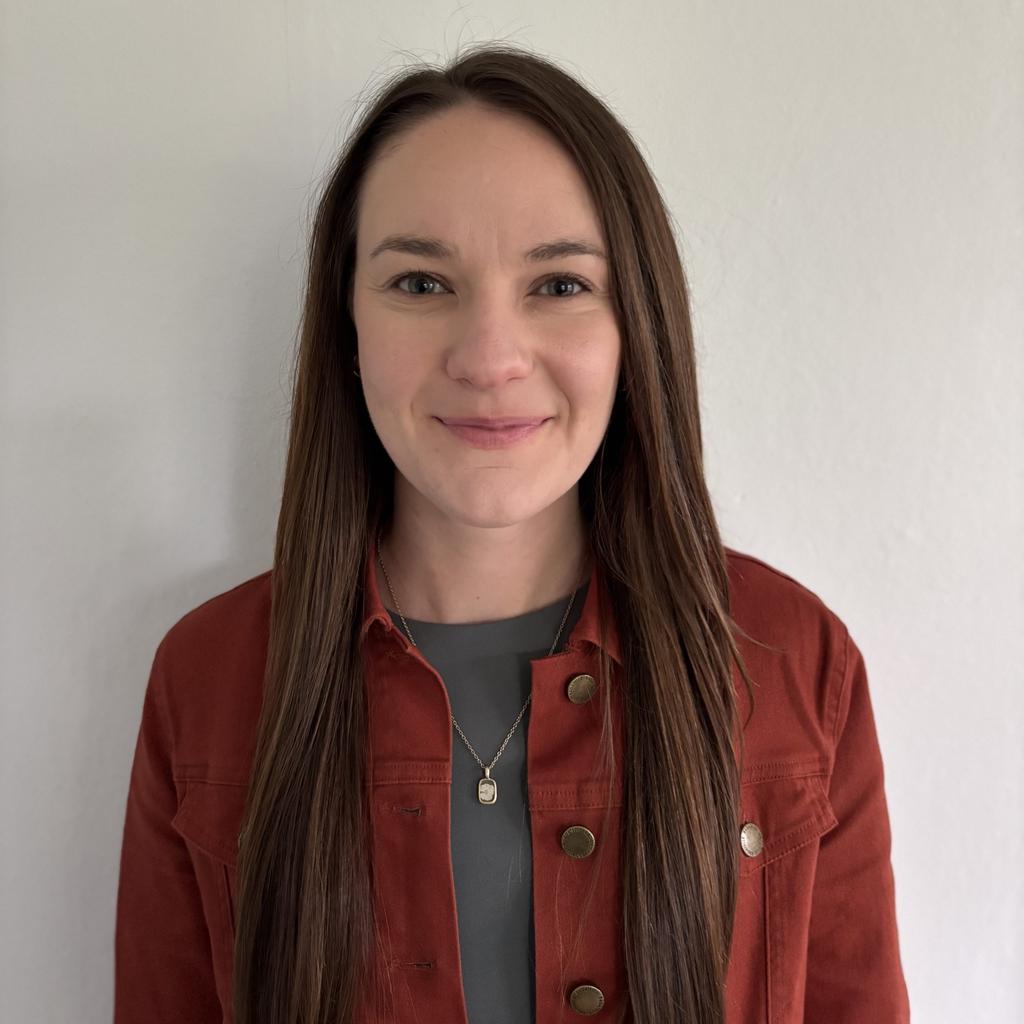

Elizabeth is a Certified Professional Resume Writer (CPRW) and a member of the Professional Association of Resume Writers & Career Coaches. She is committed to helping job seekers navigate the job market and succeed in their careers.
More Articles by Elizabeth Muenzen, CPRWShare this page
 Add MyPerfectResume as a preferred source on Google
Add
Our customers have been hired at:*Foot Note