
Combination Resume Format: Templates, Examples, & Guide
 CREATE ON ANY DEVICE
  AI TOOL
A combination resume highlights both your skills and your work experience, blending a functional and chronological approach. Learn when to use this format and create your resume with combination resume templates designed to showcase your strengths.
Template Name


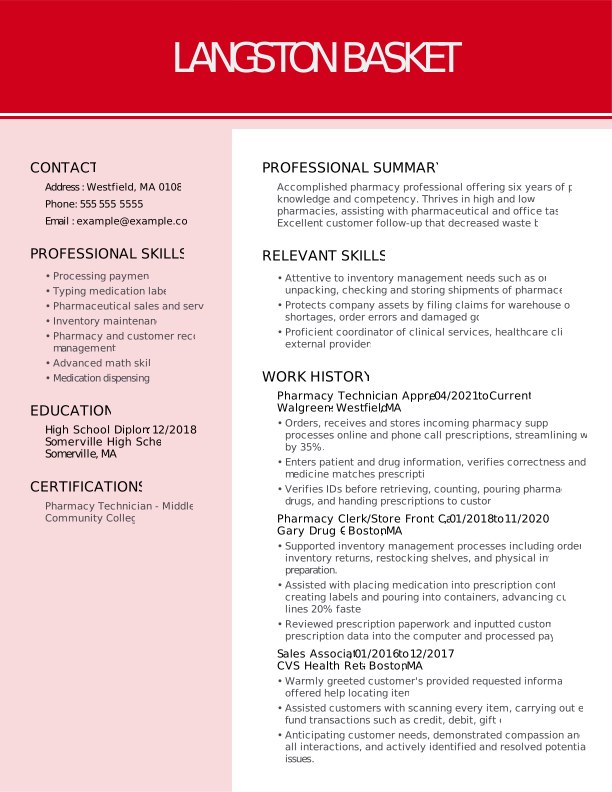
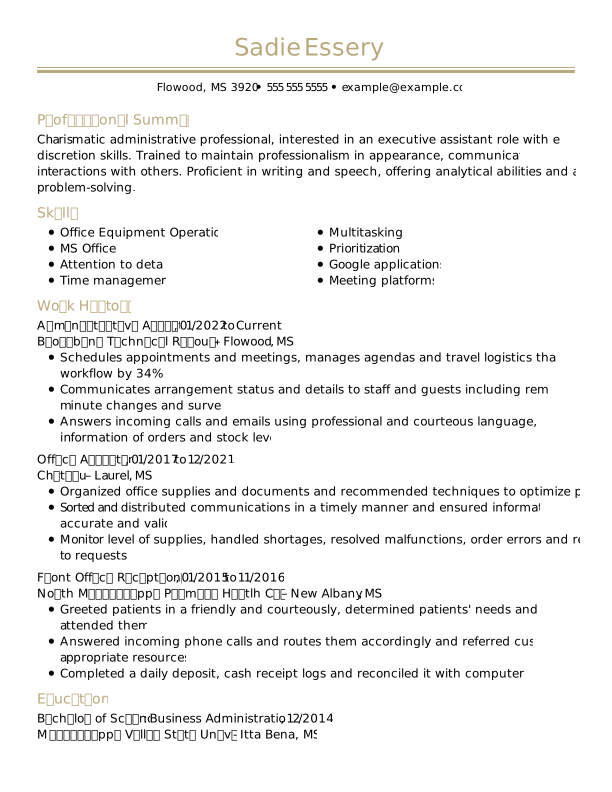
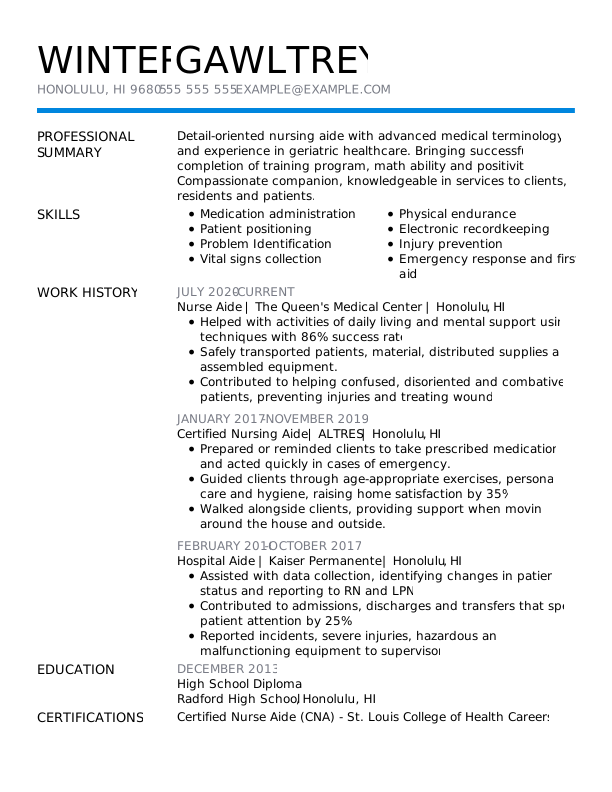
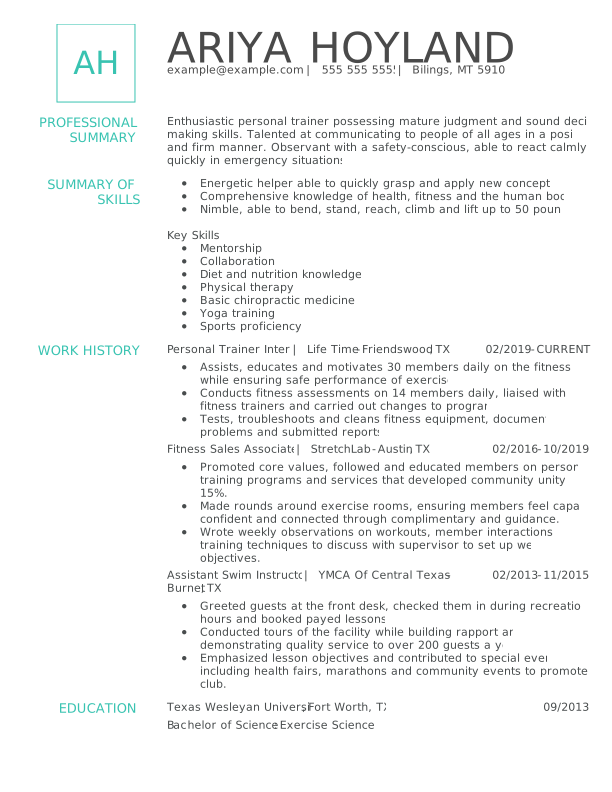
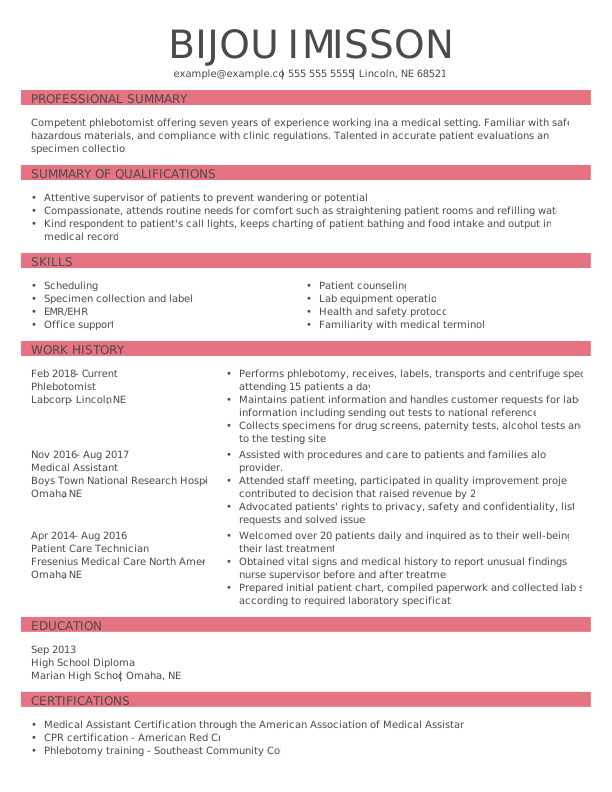
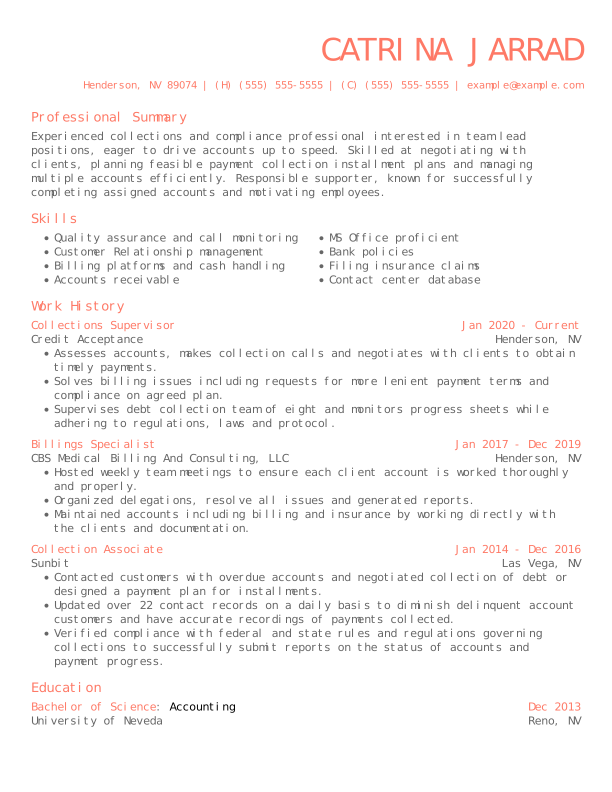
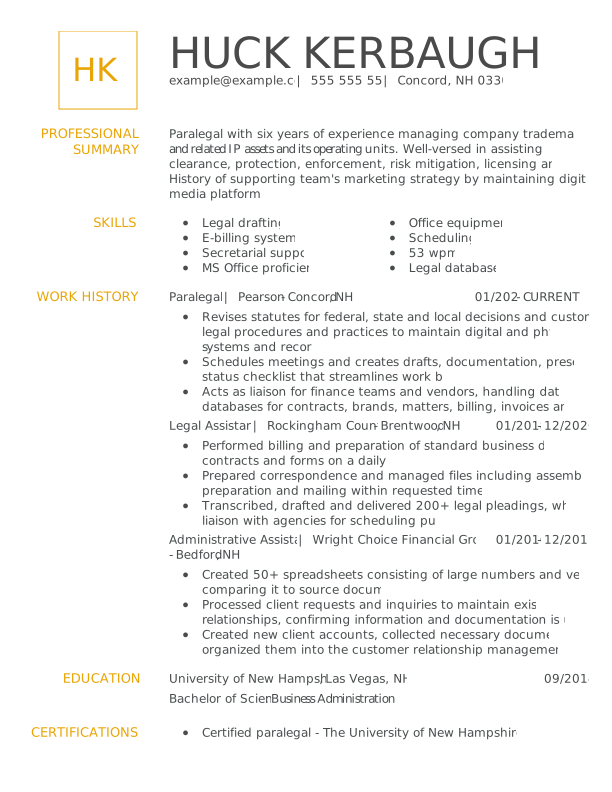
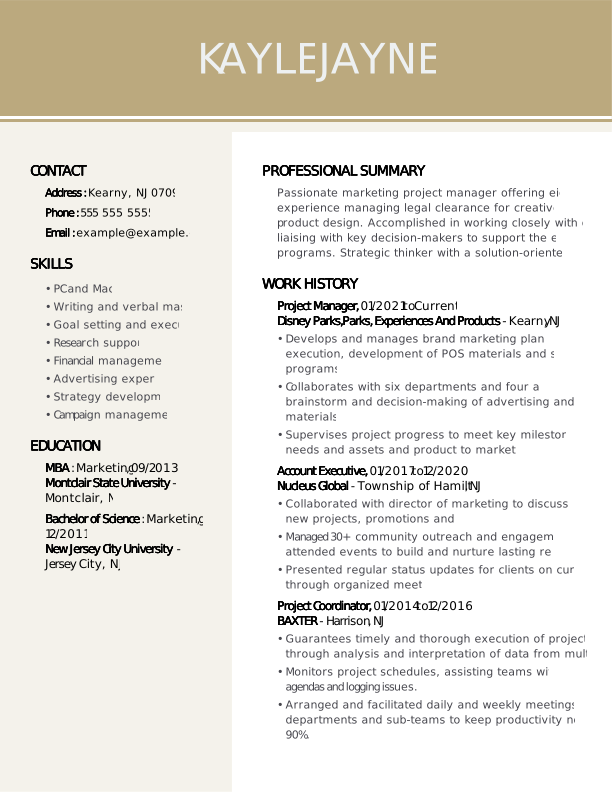
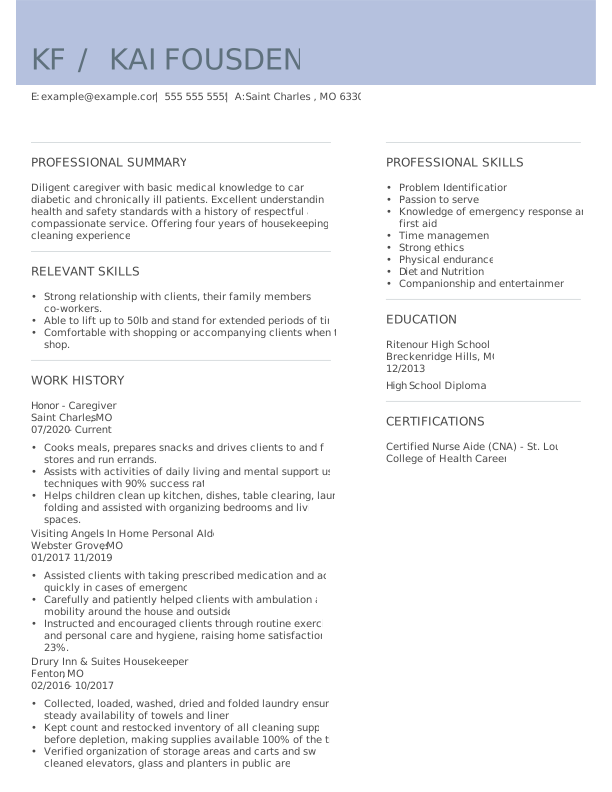
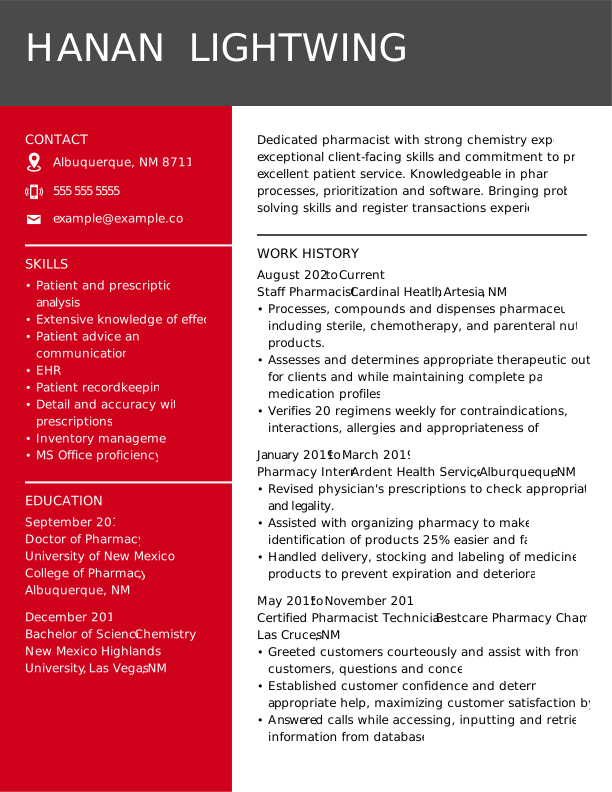
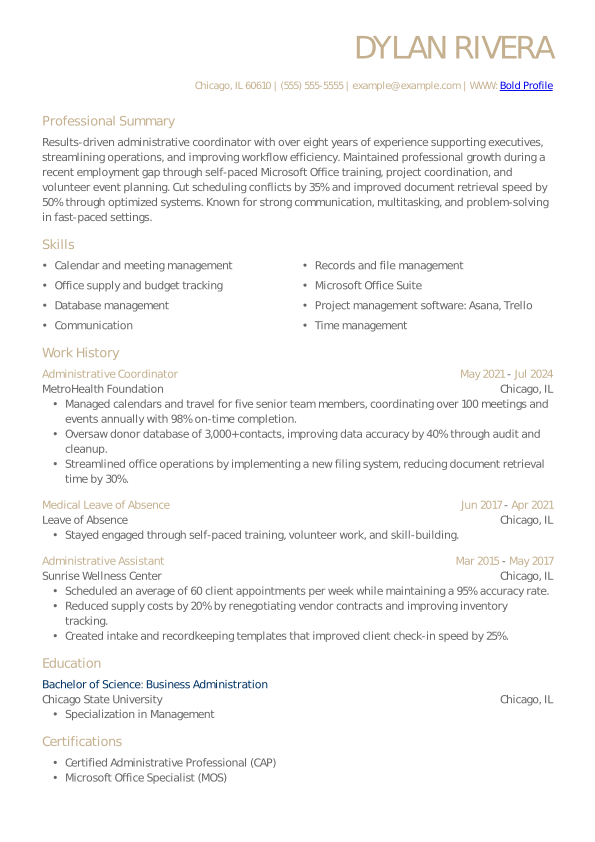
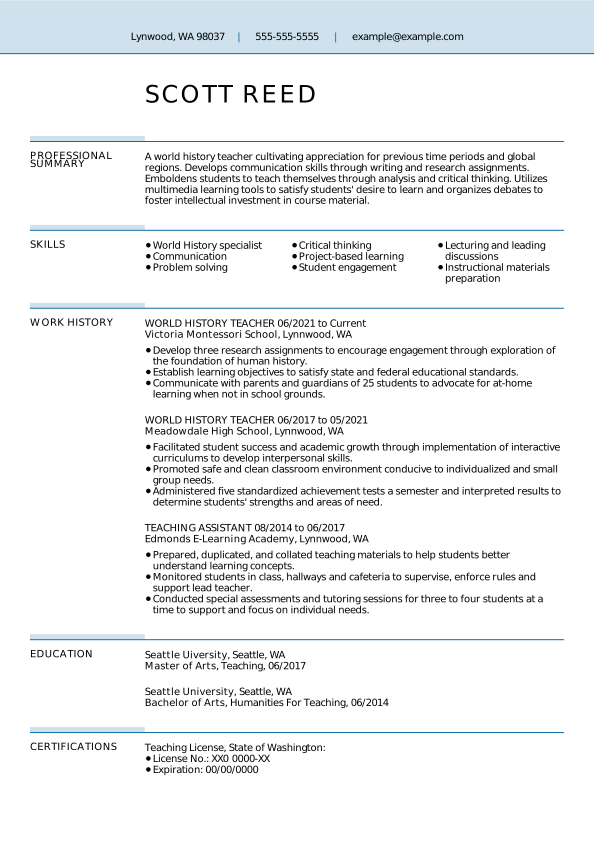
More ATS-Friendly Resume Templates
 Creative
 Modern
 Traditional
 Google Docs
 Chronological
 Functional
What Is a Combination Resume?
A combination resume (also known as a hybrid resume) merges the strengths of both chronological and functional formats by highlighting your most relevant skills and accomplishments while still providing a clear, reverse-chronological work history.
The combination resume format is ideal for candidates who want to showcase both their expertise and professional experience, such as those changing careers, reentering the workforce, or applying for roles that value both skills and proven results.
Best format for:
- Career changers
- Varied work history
- Employment gaps
Not ideal for:
- Established careers
- Linear career focus
- No work experience
When to Use a Combination Resume Format
Use a combination resume when you want to showcase both relevant skills and a strong work history. This format is especially useful for career changers or candidates with nonlinear career paths. Here’s when to consider using a combination resume template:


You’re Changing Careers
If you’re transitioning to a new industry, a combination resume allows you to emphasize transferable skills at the top while still presenting your work history. This approach helps employers see how your existing expertise applies to the new role.


You Have Diverse Work Experience
If you’ve held multiple short-term positions or frequently changed roles, a combination resume lets you highlight your key skills and accomplishments without drawing attention to job-hopping. This helps demonstrate a strong skill set across different roles.


You Have Employment Gaps
Use a combination resume if you have employment gaps or are reentering the workforce after an extended leave. It lets you focus on skills and accomplishments, reducing the emphasis on chronological gaps while still showing relevant experience.


You’re a Gig Worker or Freelancer
If your career includes multiple freelance projects, contract roles, or gig work, a combination resume helps you emphasize your skills and accomplishments while keeping your varied experience organized by showcasing your most relevant expertise.
How to Structure a Combination Resume
Structure your combination resume with a strong summary and skills section, followed by detailed work experience and education. Explore the essential sections below to learn what information to include in each one to highlight your top skills and experience.
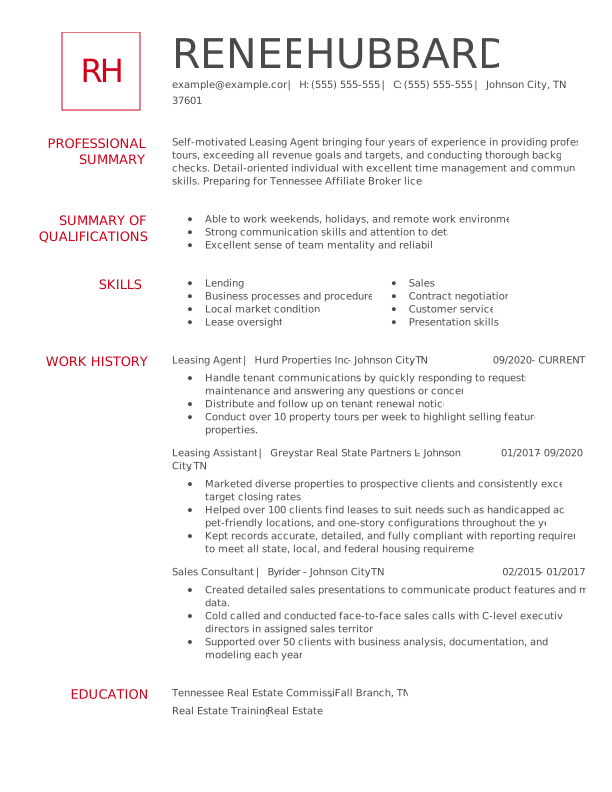
Professional Summary
A resume summary is your first opportunity to introduce yourself and highlight your most relevant qualifications. Think of it as an elevator pitch—a concise, compelling statement that shows employers what you bring to the role and why you’re a strong candidate.
Summary of Qualifications
You can include a summary of your core qualifications at the top of your resume to emphasize your skills. Highlight the qualifications most relevant to the job, such as specific technical skills, industry experience, or notable achievements.
Skills Section
Include a list of your skills that are most relevant to the job you’re applying for. Focus on a mix of hard and soft skills that demonstrate your expertise and qualifications. Organize them in a clear, easy-to-read format, such as a bulleted list or short columns.
Work Experience
In the work history section, list your previous jobs in reverse-chronological order with the most recent job first. Include your job title, company name, location, and dates of employment. Under each role, highlight three to five measurable accomplishments.
Education
List your educational background in reverse-chronological order, starting with your most recent degree or certification. Include the school name, location, and degree earned. You can also add any certifications or advanced training related to your desired job.
Comparing the 3 Resume Formats
The three most common resume formats—chronological, functional, and combination—emphasize different aspects of your experience. Find out which one is best for your career stage and goals.
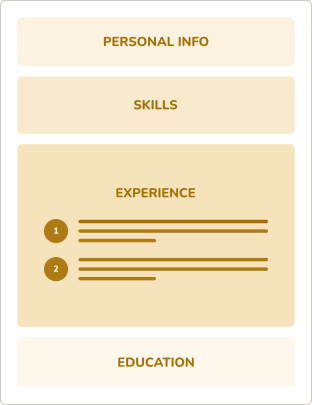
COMBINATION RESUME FORMAT
Balances your skills and work history to showcase diverse qualifications, making it an excellent format for career changers and freelancers.
RECOMMENDED
- You’re changing to a new career path and need to highlight key skills.
- You have freelance or varied work experience that you want to showcase.
- You’re applying for a mid-level role that values diverse qualifications.
CHRONOLOGICAL RESUME FORMAT
Highlights your work history by listing jobs in reverse-chronological order, which is ideal for showcasing steady career growth.
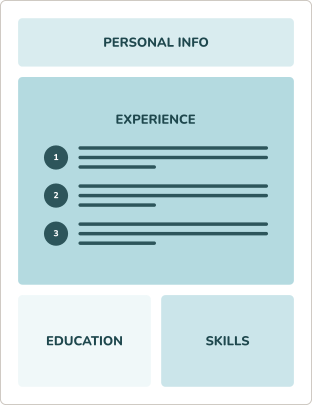
- You have consistent career progression in your current industry.
- You’ve built a professional career within a single field of expertise.
- You’re applying for a role that’s similar to your current position.
FUNCTIONAL RESUME FORMAT
Emphasizes skills and abilities over work history and may be useful in specific career-transition or early-career scenarios.
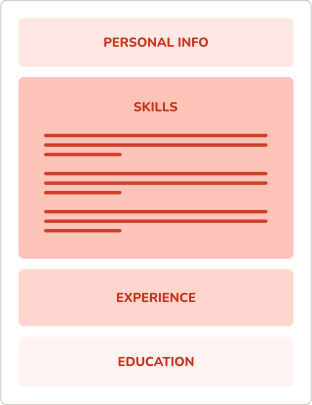
- You’re a recent graduate with limited professional experience to highlight.
- You have gaps in your work history and want to focus on your skills.
- You’re applying for an entry-level role where skills are more relevant than extensive work history.
Get Hired Fast With MyPerfectResume’s
Free Resume Templates

Professional Designs for Every Industry
From creative resume designs to minimalistic and basic layouts, we’ve got ATS-friendly resume templates for every job, industry, and career level.

Easy to Customize for Any Experience Level
You can quickly and easily customize your resume template to highlight your skills, experience, and education right from your mobile device or desktop.

Instant Insights to Improve Your Resume
With our resume grader, you’ll get personalized insights and actionable tips to strengthen your resume, increase your score, and stand out to hiring managers.

Expert Tools Do the Heavy Lifting for You
MyPerfectResume’s AI Resume Builder and templates help you create a standout resume with expert tools, AI-powered content, and easy customization on any device.
Search Professionally Written
Resume Examples
Easily tailor our resume examples using MyPerfectResume’s online Resume Builder.
Search Professionally Written
Cover Letter Examples
Our cover letter examples highlight the ideal tone and skills employers seek.
Search Professionally Written
CV Examples
Personalize our CV examples with MyPerfectResume’s free Resume Builder.
Get Started Creating a Job-Winning Resume
Upload Your Current Resume
Import your details into one of our polished resume templates.
Create a New Resume
Choose one of our resume templates, and we’ll guide you through the rest.
Frequently Asked Questions
Last Updated:
Is there a free template for a combination resume?
Yes, free combination resume templates are available. You can edit any of the combination resume templates on this page with our builder and download them in plain text (TXT) format for free. Premium subscriptions are available for downloading in PDF and Word format.
Are your combination resume examples customizable?
Yes, our combination resume examples are customizable, so you can adjust the design and content to match your style and highlight your qualifications. Use a hybrid resume example as a starting point, then tailor your skills, work history, and achievements to the specific job you’re targeting.
Who should use a combination resume?
A combination resume is ideal for candidates who want to highlight both their skills and work experience. It works particularly well for career changers, freelancers, gig workers, and job seekers with employment gaps who want to emphasize their transferable abilities.
This format is also effective for professionals with diverse work experience or specialized skills that are highly relevant to the position they’re applying for.
What are the benefits of a combination resume?
The main benefit of a combination resume is that it highlights both your skills and work experience. This format gives you space to showcase relevant qualifications while providing employers with a clear employment history.
It can be especially effective for career changers and candidates with transferable skills who want to emphasize their strengths without downplaying their work history.
What are the disadvantages of a combination resume?
The main disadvantage of a combination resume is that it can be longer and more difficult to organize than other resume formats. Because it highlights both skills and work history, it may also repeat information or make your key qualifications less clear if not carefully tailored.
Keep the content focused, use concise bullet points, and prioritize the skills and experience most relevant to the job.
What is the difference between a functional resume and a combination resume?
A functional resume focuses primarily on skills and minimizes work history, while a combination resume emphasizes skills and professional experience equally.
A functional format can be useful for candidates with limited experience or significant employment gaps, while a combination format works well for candidates who want to highlight transferable or specialized skills while still showing a solid work history.
What should I include in a combination resume skills section?
A combination resume skills section should include job-relevant hard and soft skills that match the position you’re targeting. Prioritize technical abilities, industry knowledge, and transferable skills that demonstrate your qualifications.
Use the job description to identify keywords employers may look for, and support your most important skills with specific examples and achievements in your work history.
How do you make an ATS-friendly combination resume?
To make an ATS-friendly combination resume, use a simple layout, standard section headings, and keywords from the job description. Avoid tables, graphics, text boxes, and decorative fonts that can interfere with applicant tracking systems (ATS).
Highlight relevant skills near the top, then include a clear work history with measurable achievements to show both your qualifications and experience.
