
Our customers have been hired at: *Foot Note


Table of Contents
Get started with MyPerfectResume today!
- Build a resume on any device
- Pick an ATS-friendly template
- Tailor with AI copy suggestions
Attending a job fair can be a powerful step forward in your job search. Whether you’re just starting your career or exploring new opportunities, job fairs offer the chance to connect with employers, learn about open roles, and make a lasting impression—all in one day.
In this guide, we’ll help you make the most of your experience with our job fair checklist and actionable tips. Learn what to expect, how to prepare before, during, and after the event, and how to tailor your resume and cover letter to stand out and get hired faster.
What Is a Job Fair?

A job fair, also known as a career fair, is an event where job seekers meet with recruiters and representatives from various companies to explore available job opportunities. These events are designed to connect employers with potential candidates in a fast-paced, face-to-face setting.
Job seekers have the opportunity to introduce themselves, make a positive impression with an impactful elevator pitch, and gather insights about multiple employers and roles.
What to expect at a job fair
At a typical career fair, you’ll walk into a large space, like a convention center or university hall, lined with company booths. Each booth is staffed with recruiters or hiring managers offering information about open roles. In general, this is what happens at a job fair:
- You’ll introduce yourself to recruiters and hand them your resume. This is your chance to stand out and highlight any upskilling efforts listed on your resume, such as certifications or skills you’ve acquired to stay competitive in your field.
- Recruiters may ask a few questions about your experience or goals. Expect casual yet purposeful questions, such as “What type of roles are you interested in?” or “Tell me a bit about your recent experience.”
- Some employers may conduct short, informal interviews on the spot. While not all booths will offer interviews, some may ask to speak with you in more depth, so it’s important to prepare for job interviews and be ready to discuss your experience.
- You’ll collect brochures, business cards, and other materials. Many employers offer handouts about their company or open positions. Take notes and keep business cards organized; you’ll need them for follow-up after the event.
What to wear to a job fair
Dressing professionally is key to making a positive first impression at a career fair. Your appearance can influence how recruiters perceive your level of seriousness and preparedness.
Aim for business or business casual attire. A button-down shirt with dress slacks and a blazer or a blouse with a knee-length skirt is typically appropriate.
Choose neutral, professional colors, such as navy, gray, black, and white. These colors project confidence and professionalism without being distracting.
Ensure your clothing fits comfortably and is appropriate for standing and walking throughout the day. Opt for closed-toe shoes or low heels that you can walk and stand in for several hours.
If the career fair is virtual, choose the same professional attire for video interviews or meetings, at least from the waist up.
What to bring to a job fair
Beyond dressing professionally, bringing the right essentials ensures you’re ready to make connections, take notes, and leave a strong impression. Here’s what you should pack:
- About 20–30 copies of your resume printed on quality resume paper
- Business cards (if you have them) for quick and easy networking
- A notepad and pens to jot down names, follow-up notes, or job details
- A professional folder or portfolio to keep resumes and notes organized
- A water bottle and light snacks to stay refreshed and focused
- Breath mints to ensure fresh breath during conversations
- A phone charger or portable battery to keep your device powered
- A clean, professional-looking bag or briefcase to carry everything neatly
Explore the job fair checklist below for a closer look at what to bring on the day of the career fair and how to prepare your materials beforehand.
Job Fair Checklist
Follow this checklist to prepare for your next career fair, from planning ahead and staying organized during the event to following up with employers afterward.
Before the job fair
Research and planning
- Register for the event (if required): Sign up in advance if needed, and check your confirmation for details or updates.
- Research attending companies and target employers: Review the list of participating employers and visit their websites to learn about their values and recent news.
- Review job openings from participating companies: Check company websites or the career fair platform for available roles so you can speak to recruiters with purpose.
- Set goals for the number of companies to visit: Decide how many employers you’d like to meet and prioritize your top picks to stay focused and efficient.
- Plan your route through the venue: If a map is available, highlight your priority companies and organize your path accordingly.
Material preparation
- Print 20–30 copies of your resume on quality paper: Use clean, professional paper and ensure you tailor your resume to the roles you’re targeting.
- Prepare your business cards (if you have them): Business cards with your contact information, LinkedIn profile, and job title or field of interest add a professional touch.
- Pack pens that work: Bring two or three reliable pens in case one runs out of ink. You’ll need them for taking notes, completing forms, or jotting down follow-up details.
- Bring a notepad for taking notes: Taking brief notes during or after each conversation will help you personalize your follow-up messages.
Personal preparation
- Practice your 30-second elevator pitch: Prepare a brief introduction that summarizes who you are, what you’re looking for, and what makes you a strong candidate.
- Prepare thoughtful questions to ask employers: Questions about company culture, growth opportunities, or specific job duties show genuine interest.
- Research salary ranges for target positions: Understanding typical salary ranges for your desired roles and locations will help you feel more informed during conversations.
- Plan a professional outfit and get it ready: Choose your attire in advance to avoid last-minute stress. Make sure it’s clean, polished, and professional.
- Get a good night’s sleep: A full night of rest improves your communication skills by helping you feel alert, confident, and ready to engage.
Day of the job fair
Materials and logistics
- Carry a professional bag or briefcase: Use a neat, structured bag to store your materials and present yourself as organized and career-ready.
- Charge your phone or bring a portable battery: Keep your phone fully powered so you can access digital resources or check event updates as needed.
- Stay hydrated with a water bottle: Sip water throughout the event to maintain energy and stay sharp during conversations with employers.
- Refuel with light snacks: Pack a granola bar or light snack to avoid fatigue and stay focused, especially if the event lasts several hours.
- Refresh with breath mints: Use mints to stay fresh throughout the day and feel confident in every face-to-face conversation.
- Arrive early for shorter lines: Arriving early allows more time to speak with recruiters before the crowds. Start with your top employers while you’re fresh and energized.
Engagement strategy
- Make eye contact and offer a firm handshake: These small gestures go a long way in establishing confidence and professionalism.
- Ask thoughtful questions about the company: Inquiring about company values, team dynamics, or growth opportunities shows initiative.
- Take notes about each conversation: Write down the recruiter’s name, the position you discussed, and any standout details.
- Collect business cards and company materials: Keep brochures and cards organized so you can follow up effectively.
- Thank recruiters for their time: A polite thank-you at the end of each conversation leaves a positive impression. It also demonstrates professionalism and appreciation.
After the job fair
Following up
- Organize and review notes from conversations: Use your notes to guide follow-ups and prioritize the next steps in your job search.
- Send thank-you emails within 24–48 hours: Just like a follow-up email after an interview, send a message to reinforce your interest and thank recruiters for their time.
- Connect on LinkedIn with recruiters you met: Send a connection request with a quick message reminding them where you met.
- Schedule any follow-up interviews or calls: Respond promptly and confirm any interview invitations to keep momentum going.
- Apply for specific positions discussed: Visit company websites and submit formal applications for any roles you talked about.
- Update your job search tracking system: Add new contacts, job leads, and follow-up reminders to your job search spreadsheet or tool if you have one.
How to Prepare Your Resume for a Career Fair
Explore expert tips below to learn how to write a resume that highlights your most marketable skills and stands out in a competitive job fair environment.
Use a clear and professional format
Choose a professional resume format with a clean layout that’s easy for recruiters to skim. Bullet points, bold headings, and consistent spacing ensure your qualifications are easy to spot.
Avoid dense blocks of text or overly creative designs and stick to professional fonts like Arial, Calibri, or Times New Roman. Prioritizing clarity and readability is essential.
At a busy career fair, recruiters often have just seconds to scan your resume. A concise one-page resume ensures they can quickly grasp your skills and values.
Using our AI Resume Builder can help you format your content effectively with professional templates that highlight your most relevant qualifications.
Create multiple versions of your resume
Targeted resumes
Research the companies attending the career fair in advance and create several slightly different versions of your resume based on the roles or employers you’re most interested in.
Adjust the summary, accomplishments, and keywords on your resume to demonstrate initiative and make it easier for recruiters to quickly see why you’re a strong match for their needs.
For example, if you’re applying to both marketing and sales roles, highlight data-driven campaign experience on one version and client relationship achievements on the other.
General resume
You should also create a more general resume that you can hand to employers who unexpectedly catch your interest during the career fair.
Although this version of your resume won’t be tailored to a specific company, it should still be industry-relevant, highlighting the skills and experience that matter most in your field.
Use language and keywords commonly found in job descriptions for the types of roles you’re pursuing to ensure your resume resonates with a wide range of employers at the fair.
For example, here is a general resume profile tailored to finance roles:
“Detail-oriented financial analyst with five years of experience supporting budgeting, forecasting, and reporting for Fortune 500 clients. Proficient in Excel, SQL, and Tableau with a track record of identifying cost-saving opportunities that led to $150K in annual savings. Adept at simplifying complex data for executive decision-making and collaborating cross-functionally.”
Highlight your most impressive achievements
When preparing your resume for a career fair, focus on showcasing achievements that demonstrate your value to potential employers and relate to the roles you’re targeting.
Since job fairs are fast-paced environments where recruiters meet many candidates, including quantifiable accomplishments on your resume can help your experience stand out immediately.
Instead of simply listing duties, emphasize how your work improved performance, saved time, increased revenue, or enhanced customer engagement. For example:
Marketing Coordinator
BrightWave Marketing Solutions | June 2021 – Present
- Developed and executed digital campaigns that increased website traffic by 35% within six months, contributing to a 20% growth in lead generation.
- Managed social media platforms, boosting follower engagement by 50% through targeted content and strategic posting schedules.
- Coordinated email marketing initiatives that improved open rates by 15% and click-through rates by 10%, resulting in higher conversion rates.
Not sure if your current experience matches the roles you’re eyeing at the career fair? Explore jobs you can upskill into to explore more opportunities in growing industries.
Career Fair Resume Examples
Browse resume examples tailored to various industries that frequently recruit at career fairs. You can use them to craft a professional resume that’s ready to hand out at your next career fair.
Engineering
This job fair resume example highlights key engineering skills and accomplishments while remaining broad enough to share with multiple employers across the industry.
Healthcare
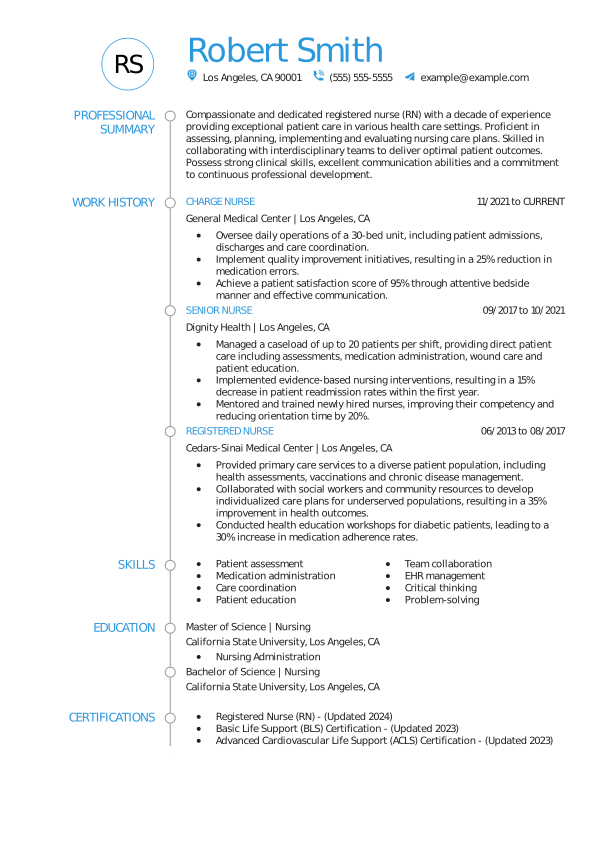
In this resume for a job fair, examples such as decreasing patient readmissions by 15% highlight relevant nursing skills and impactful results in hospital settings.
Finance
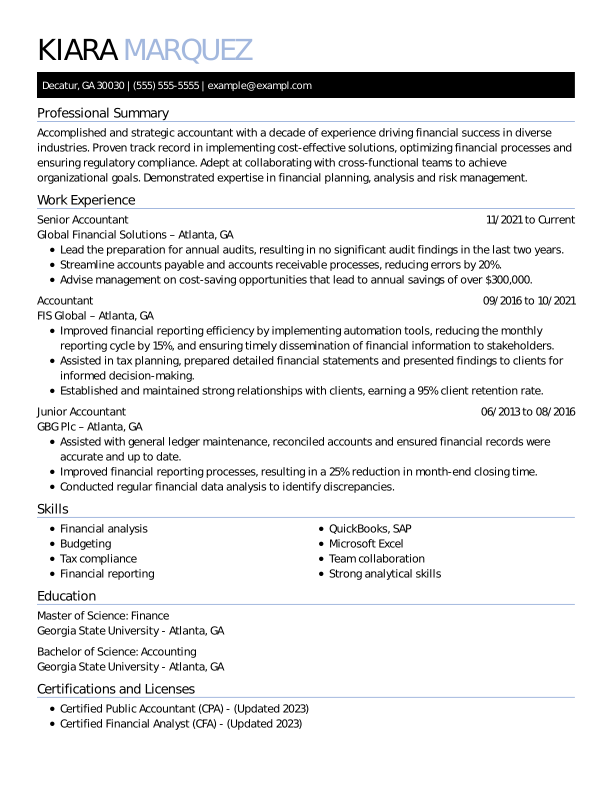
This career fair resume example showcases essential core competencies for finance roles, including financial analysis, budgeting, and strong analytical skills.
How to Write a Cover Letter for a Job Fair
Although recruiters at career fairs typically focus on your resume and in-person interactions, a well-written cover letter tailored to the employer shows extra effort and professionalism.
Research participating employers in advance
Research which companies will be at the job fair and tailor your cover letter to one or more specific employers. Highlight your relevant skills and experiences while demonstrating your knowledge of the company’s mission, values, or recent initiatives.
This preparation can help you create a targeted letter that resonates with recruiters and helps you make a memorable impression. You can use our Cover Letter Generator for personalized content suggestions tailored to your target role or industry.
Focus on transferable skills and career goals
At career fairs, you’ll likely engage with employers from a variety of industries and roles. To make the most of these opportunities, emphasize transferable skills in your cover letter that are valuable across different fields. Here are a few examples:
- Communication
- Problem-solving
- Time management
- Critical thinking
- Leadership
- Organization
- Conflict resolution
- Attention to detail
Connect these skills to your long-term career goals to demonstrate adaptability. This helps recruiters see how you can contribute to their organization, even if your background isn’t an exact match for every role.
Keep your cover letter flexible yet targeted
Start by preparing a general cover letter that highlights your key skills, experiences, and career goals. Make it broad enough to appeal to multiple employers, but leave room to personalize a few sentences for specific companies you meet.
If you have the option to submit your cover letter digitally, you can tailor it during the event or in follow-up communications. This allows you to demonstrate genuine interest and professionalism without having to start from scratch each time.
If you’re unsure which roles will be available, you can create a general cover letter for a job fair, focusing on your transferable skills and aligning your goals with your industry.
Sample Cover Letter for a Job Fair
Nursing
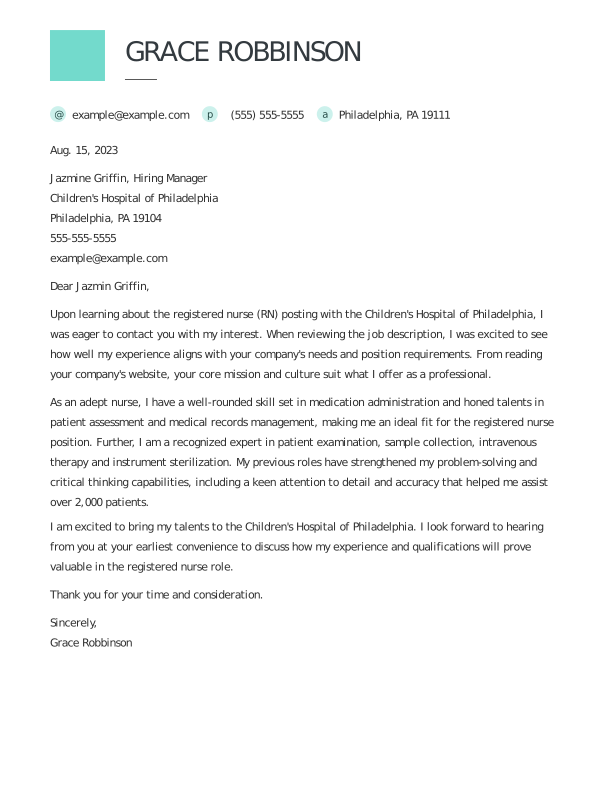
This sample cover letter demonstrates how to tailor your message when you have a specific job in mind, while remaining flexible enough for adjustments as needed.
Make the Most of Every Career Fair Opportunity
Attending a career fair is a unique opportunity to accelerate your job search by building personal connections, gaining industry insights, and showcasing your qualifications in real time.
By following the guidance and checklists in this guide, you’ll be well-equipped to stand out in a competitive job market and move closer to landing your ideal role.
After the event, following up promptly with personalized thank-you notes and applications will help keep you top of mind and open doors to new opportunities.
FAQ
Should I bring my resume to a job fair?
Yes, bringing your resume to a job fair is essential. Even if the event allows you to upload your resume digitally, having printed copies on hand makes it easier to engage recruiters directly.
A physical resume lets recruiters scan your qualifications immediately, which can spark meaningful conversations and leave a lasting impression.
Ensure your resumes are printed on quality paper and tailored for the types of roles or industries represented at the fair.
How many copies of my resume should I bring to a career fair?
Bring 20 to 30 copies of your resume when you attend a career fair. This range gives you enough flexibility to provide a copy to every recruiter you meet without running out.
You never know how many employers you’ll want to speak with or how many people might request your resume. Printing extra copies ensures you’re prepared for unexpected opportunities or additional conversations.
Using quality paper and having a neat folder or portfolio to carry your resumes will help you stay organized and make a professional impression. If you know the event will be very large or attended by many employers you want to connect with, print additional copies.
Should I bring my cover letter to a job fair?
Bringing a cover letter to a job fair isn’t required, but it can help you stand out. Since recruiters often focus on your resume and in-person interactions, a cover letter isn’t always necessary.
However, if you have one tailored to a specific employer or role, it shows extra effort and professionalism. Our professional cover letter templates can help you easily create a polished letter that matches your resume.
You can also write a general cover letter highlighting your transferable skills and career goals, which you can personalize quickly for different companies during or after the event.
If you’re unsure, consider bringing a few printed copies or having a digital version ready to share via email to demonstrate your enthusiasm and readiness.
What is a virtual job fair?
A virtual job fair is an online event where job seekers and employers connect through a digital platform rather than meeting in person.
Participants can browse company booths, chat with recruiters via video calls or messaging, and submit resumes electronically.
Virtual job fairs are increasingly popular as they broaden access to opportunities across geographic boundaries.
They require preparation similar to in-person fairs, including having a polished resume, practicing your elevator pitch, and dressing professionally for video calls.
Can I go to a job fair without a resume?
While you technically can attend a job fair without a resume, it’s strongly discouraged. A resume is your primary tool to showcase your skills, experience, and qualifications quickly to recruiters.
Without it, you risk missing out on opportunities because employers may not remember you or take your candidacy seriously.
If you don’t have a finalized resume, consider creating a simple one-page version highlighting your key skills and relevant experience before the event.
Having a resume ready will make your interactions more productive and professional, helping you make a strong first impression at the fair.
How we reviewed this article
Since 2012, we have helped more than 11 million job seekers. We want to make your career journey accessible and manageable through our services and Career Center’s how-to guides and tips. In our commitment to bring you a transparent process, we present our Editorial Process.
Rate this article
Job Fair Checklist


Elizabeth is a Certified Professional Resume Writer (CPRW) and a member of the Professional Association of Resume Writers & Career Coaches. She is committed to helping job seekers navigate the job market and succeed in their careers.
More Articles by Elizabeth Muenzen, CPRWShare this page
 Add MyPerfectResume as a preferred source on Google
Add
Our customers have been hired at:*Foot Note