
Our customers have been hired at: *Foot Note


Table of Contents
Get started with MyPerfectResume today!
- Build a resume on any device
- Pick an ATS-friendly template
- Tailor with AI copy suggestions
Searching for a job can be both exciting and overwhelming—especially in a competitive market where hiring moves fast and expectations are high.
Whether you’re entering the workforce, returning after time away, or exploring a new direction, each situation brings its own challenges and opportunities.
In this guide, we’ll share actionable job search tips to help you stand out, stay motivated, and navigate each stage of the process with clarity and confidence.
Top Job Search Strategies to Help You Succeed
The following job hunting tips focus on helping you target the right roles, position yourself effectively, and improve your chances of landing a job that fits your goals.
1. Set Clear Goals for Your Search
Before applying to jobs, define what you want from your next role. Identify the types of work you enjoy, the skills you want to use, and the environments where you thrive.
Explore job satisfaction trends to clarify your priorities and ensure you’re focusing on opportunities that align with your career goals and values. When you know what you want, you can target positions that fit your strengths and long-term objectives.
2. Tailor Your Application Materials
Personalizing your application shows employers you understand the role and highlights why you’re a strong fit. Follow these tips to tailor your materials effectively:
- Analyze the job posting. Identify key phrases, required skills, and qualifications that the employer emphasizes in the job description.
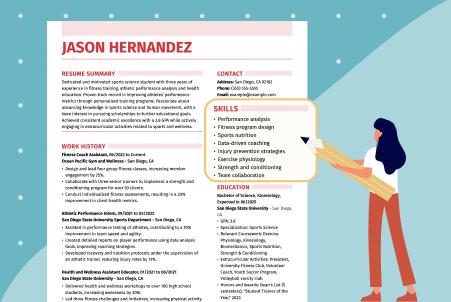
- Customize your resume. Mirror the language from the posting and highlight your most relevant experience to create a targeted resume that stands out.
- Personalize your cover letter. Mention the company by name, explain why the role excites you, and show how your experience makes you a great fit.
- Create a cohesive look. Use matching resume and cover letter templates to give your application a polished, professional appearance.
You can use our AI Resume Builder to easily create a targeted resume with ready-made content tailored to different industries and roles.
3. Grow Your Professional Network
Networking builds connections that keep you informed, uncover hidden job opportunities, and give you insights into different companies and roles.
By engaging strategically, you can expand your professional circle while strengthening your reputation in your field. Here are a few networking tips to help you get started:
- Attend industry events and conferences. These settings offer natural opportunities for conversation, learning, and making meaningful connections with industry professionals.
- Join LinkedIn groups. Sharing insights, asking questions, and engaging in discussions help you connect with others and establish your presence in the field.
- Engage with company pages and professionals. Interacting with their posts and updates keeps you visible and informed while showing genuine interest in their work.
- Be curious and authentic. Prepare your elevator pitch, but also prepare thoughtful questions to build lasting relationships rather than transactional connections.
- Volunteer or join professional associations. Getting involved in these communities increases your visibility and opens doors to resources and networking opportunities.
- Participate in webinars and online workshops. Following up with speakers or attendees can turn shared learning into lasting connections.
- Create and share valuable content. Posting insights, tools, or helpful resources demonstrates your expertise and draws like-minded professionals to your profile.
4. Leverage Existing Connections
Your existing network can open doors faster than applying cold. Reach out to former colleagues, classmates, supervisors, or friends in your target industry. Let them know the roles you’re pursuing and see if they can spare a few minutes to chat or pass along opportunities.
Being specific about how they can help—like mentioning companies or roles—makes it easier for them to act. Referrals and introductions often get your application noticed first.
5. Use Online Job Boards Strategically
Job boards can quickly surface large numbers of openings, but applying without a clear strategy can lead to burnout and missed opportunities. Here are a few key tips to streamline your search:
- Prioritize quality over quantity. Apply to positions that strongly align with your qualifications rather than submitting applications to every listing that seems relevant.
- Set up targeted job alerts. Create alerts based on job title, location, salary range, experience level, and remote preferences. Applying early can boost your visibility.
- Tailor each application. Customize your resume and cover letter to reflect keywords and requirements from each job description—even when using quick-apply features.
- Use filters to narrow results. Sort listings by job type, company size, industry, and experience level to find opportunities that best match your goals.
- Explore niche and industry-specific job boards. Explore niche boards or industry-specific sites like FlexJobs, which updates remote job listings daily.
6. Attend Job Fairs & Hiring Events
Attending in-person or virtual job fairs puts you directly in front of employers who are actively hiring, helping you make a personal impression and gather insight about companies and roles.
Before attending, research the participating employers and prepare a few talking points tailored to each one. Here are a few strategies for preparing and following up:
- Prepare ahead. Research the companies attending and identify the roles that interest you. You can use AI tools to quickly summarize company missions, recent news, or hiring priorities and help generate tailored talking points or questions.
- Bring the essentials. Have multiple copies of your resume ready, along with business cards if you have them. Dress professionally, even for virtual events, and make sure your camera, microphone, and background are polished.
- Make meaningful connections. Introduce yourself confidently, offer a firm handshake if in person, and engage in meaningful conversation. Ask insightful questions and share relevant experiences that highlight your skills.
- Follow up. Send a brief thank-you email or LinkedIn message to everyone you spoke with. Mention something specific from your conversation, express interest in next steps, and keep the connection alive for future opportunities.
Explore our job fair checklist for a detailed guide on how to get ready for your next in-person or virtual career fair.
7. Strengthen Your Online Presence
Employers often review candidates online before making hiring decisions, so keeping your digital presence updated can help you stand out.
Optimize your LinkedIn or Bold.pro profile with a clear headline, strong summary, and experience details that highlight your skills and achievements. Showcase your work by sharing projects, certifications, or portfolio samples that demonstrate your abilities.
Staying active by sharing industry insights or engaging in professional groups can also increase visibility. Review your public social media profiles to ensure they reflect your career goals and remove any outdated or unprofessional content.
8. Prepare for Interviews With Confidence
Whether in person or virtual, preparing for interviews in advance will help you feel more confident, communicate clearly, and leave a lasting impression. Here are a few tips:
- Research the company. Learn about the company’s mission, values, and recent news, and study the job description closely. This will help you tailor your answers and ask targeted questions that demonstrate your genuine interest in the opportunity.
- Practice your responses. Rehearse answers to common questions like “Tell me about yourself” and “Why do you want this job?” Use the STAR method (Situation, Task, Action, Result) to give clear, structured answers that highlight your strengths.
- Review your resume and get comfortable talking about your experience. Be ready to explain how your background connects to the role, and highlight specific accomplishments that demonstrate your value.
9. Stay Organized & Set Manageable Goals
A successful job search takes time and focus, and staying organized is key. Without a clear system, it’s easy to lose track of where you’ve applied, miss follow-ups, or feel overwhelmed.
Start by creating a simple tracker (such as a spreadsheet or your preferred AI tool) to record job titles, companies, application dates, follow-up notes, and interview outcomes.
Set small, manageable goals each week—like applying to five targeted jobs, reaching out to three new contacts, or updating your resume one section at a time.
10. Keep Growing While You Search
Continue building skills and gaining experience during your job search to stay competitive and ready for new opportunities. Investing in your professional growth shows employers that you’re proactive, curious, and serious about advancing your career.
Consider online courses, certifications, or brushing up on in-demand skills relevant to your field. Platforms like Coursera, LinkedIn Learning, and edX offer flexible, affordable options.
Volunteering or freelancing can also help you gain practical experience, expand your network, and show potential employers that you’re actively investing in your career, even between jobs.
What Are Common Job Search Mistakes?
Make sure to avoid job-search pitfalls that could keep you from standing out and reaching the right employers. Here are some common mistakes to avoid:
- Applying without research. Sending applications without understanding the company’s values, culture, or needs can make your materials seem generic. Tailor applications and prepare thoughtful questions for interviews.
- Focusing on quantity over quality. Applying to dozens of jobs in a day can lead to burnout and fewer responses. Focus on roles that truly fit your skills and interests—and put effort into each application.
- Skipping the cover letter. Even if it’s optional, a well-written cover letter gives you a chance to connect your experience directly to the role. Skipping it can be a missed opportunity to make a strong impression.
- Ignoring networking opportunities. Many job openings are never posted publicly. Failing to reach out to contacts, attend events, or leverage referrals can lead to missed opportunities.
- Overlooking typos or formatting issues. Small errors can leave a big, negative impression. Proofread your application materials and make sure your resume layout is clean and easy to read. You can use our ATS Resume Checker to scan for common issues.
- Underestimating the power of follow-up timing. Waiting too long to follow up after an application or interview can make you less memorable. Timely, professional follow-ups keep you top of mind with hiring managers.
- Limiting your search to job boards. While job boards are a great starting point, relying on them alone can narrow your opportunities. Many roles are posted on company websites, niche industry sites, or shared within professional communities.
How to Stay Motivated During Your Job Search
Job searching can be emotionally draining, so build in time for rest and self-care. Explore strategies below for staying motivated throughout the job search process.
Celebrate Your Wins
Celebrating your wins helps keep your morale high and your momentum strong during the ups and downs of the search.
Landing an interview, making a new connection, updating your resume, or even hitting “send” on a tailored application are all meaningful achievements.
Recognizing these moments reinforces that your effort is moving you closer to your goal, even if the job offer hasn’t come through yet.
Create a Support System
Job searching can feel isolating, so it’s important to stay connected with people who can offer encouragement, advice, and perspective.
Talk to friends, family members, or peers who are also job hunting—they’ll understand what you’re going through and may even share helpful tips or leads. Joining online communities, forums, or local job search groups can also help you feel supported and stay motivated.
Surrounding yourself with positive, understanding people will remind you that you’re not alone—and that support makes a big difference when things get tough.
Build a Balanced Routine
Treat your job search like an important part of your day, but not your entire day. Creating a consistent routine, even if it’s flexible, helps you stay organized, focused, and mentally sharp.
Set aside dedicated time for searching, networking, and applying, then give yourself permission to step away. Take breaks to rest, get outside, or do something creative to recharge.
You don’t need to be job searching 24/7 to be successful. Giving your mind space to reset can lead to better ideas, stronger applications, and a more sustainable search overall.
Focus on What You Can Control
Instead of fixating on outcomes, shift your energy to what you can influence: the quality of your resume, how you prepare for interviews, and how consistently you show up for your search.
Track your progress, refine your materials, keep learning, and build meaningful connections. Focusing on your effort, not just the result, helps you stay grounded, motivated, and resilient.
Key Takeaways
- Clarity is your compass. Define what you’re looking for before you start applying—knowing your goals helps you target the right opportunities.
- Customization gets results. Tailoring your resume and cover letter to each job makes you stand out and shows employers you’re genuinely interested.
- Networking opens hidden doors. To maximize your chances, combine job boards with networking, direct outreach, and targeted research.
- Consistency beats intensity. A steady, focused approach to applying and following up is more effective than occasional bursts of effort.
- Mindset matters. Rejections happen, but resilience and self-care help you stay motivated, confident, and ready for the right opportunity.
FAQ
How many jobs should I apply for each week?
Aim to apply for 10 to 15 well-targeted jobs per week. This range allows you to focus on quality applications without burning out. If you’re job hunting full-time, 15 to 20 may be realistic, while 5 to 10 works better if you’re balancing other commitments.
Regardless of how many applications you submit each week, prioritize tailored resumes, thoughtful cover letters, and time for networking and follow-ups to maximize results.
What job hunting strategies work best for older workers?
The best job hunting strategies for older workers focus on showcasing recent experience, current skills, and adaptability. Older workers should highlight accomplishments from the past 10 to 15 years, emphasize technical skills, and demonstrate comfort with change.
Start by highlighting your most recent and relevant experience. A resume for older workers should focus on the past 10 to 15 years of relevant experience.
Position your experience as a competitive advantage by pairing it with a clear commitment to learning and growth.
How long does the job search usually take?
Most job searches take about three to six months. Timing depends on factors like your industry, experience level, and market demand. Career changes, senior-level roles, or competitive fields may take longer, while high-demand positions can move faster.
After applying, it can take weeks for employers to review resumes, schedule interviews, and make decisions. Continue applying, networking, and following up throughout the process to maintain momentum and improve your chances of hearing back.
What should I do if I’m not hearing back?
If you’re not hearing back after submitting your job applications, refine your materials and adjust your approach, ensuring your resume and cover letter are tailored to each role and use keywords from the job description.
Reassess whether you’re targeting the right positions, and follow up on your job application one to two weeks after applying.
Consistency, persistence, and a well-organized strategy make a big difference in keeping your momentum strong throughout the search.
Should I apply for a job if I don’t meet all of the requirements?
Yes, it’s worth applying even if you meet only 60 to 70% of the requirements. Many job listings are a wish list, and employers value potential, transferable skills, and a willingness to learn.
Confidence and a tailored application can make a strong impression on potential employers, even if your experience doesn’t check every box, as employers often expect candidates to grow into a role.


Elizabeth is a Certified Professional Resume Writer (CPRW) and a member of the Professional Association of Resume Writers & Career Coaches. She is committed to helping job seekers navigate the job market and succeed in their careers.
More Articles by Elizabeth Muenzen, CPRWShare this page
 Add MyPerfectResume as a preferred source on Google
Add
Our customers have been hired at:*Foot Note