The Changing American Workweek: National and Regional Labor Shifts Since the Great Recession


Our customers have been hired at: *Foot Note


Table of Contents
Get started with MyPerfectResume today!
- Build a resume on any device
- Pick an ATS-friendly template
- Tailor with AI copy suggestions
Since the Great Recession of 2007, American workers haven’t just gone back to work; they’ve stayed at work longer.
A new analysis by MyPerfectResume, using data from the U.S. Bureau of Labor Statistics (BLS), introduces a powerful new metric to understand the evolving American workweek: total cumulative hours worked.
Unlike traditional employment statistics, which count the number of people with jobs, this approach measures the amount of labor being performed across the economy and the toll it’s taking on workers.
In 2007, just before the financial crisis, U.S. workers collectively logged 268.1 billion work hours in the first quarter. By the end of 2024, that figure had climbed to 296.7 billion hours, a 10.7% increase in total labor volume over 17 years.
This isn’t just job growth. It’s a rise in labor intensity, driven by longer shifts, second jobs, more gig work, and blurred boundaries between home and work life. Workers are overextended.
Key Findings
- National work hours increased by 10.7% between Q1 2007 and Q4 2024, reaching a record 296.7 billion hours.
- Texas saw the largest state-level increase in hours worked since 2007, rising 34%.
- Other high-growth states include North Dakota (+31%), Utah (+29%), Idaho (+28%), and Arizona (+23%).
- Five states experienced declines in total hours worked: New Mexico (–3%), Vermont (–3%), Alaska (–4%), West Virginia (–5%), and Wyoming (–6%).
- Economic pressure, not just job creation, is a significant factor in this context. Rising living costs, stagnant wages, and labor shortages are prompting Americans to work longer hours than ever before.
Why This Metric Matters
We often ask how many people are working. But a better question might be: how much are they working, and at what cost?
By focusing on cumulative hours worked, this analysis reveals the hidden labor load being carried by American workers. It captures:
- Workers juggling multiple jobs
- Employees covering extra shifts due to staffing gaps
- Remote workers navigating extended workdays
- Gig and shift workers are absorbing the rising demand without added protections.
This metric reframes how we evaluate labor market strength. A growing economy isn’t always a healthier one, especially when worker burnout, overwork, undercompensation, and ghost growth are driving factors.
Where Work Is Surging: State-by-State Analysis
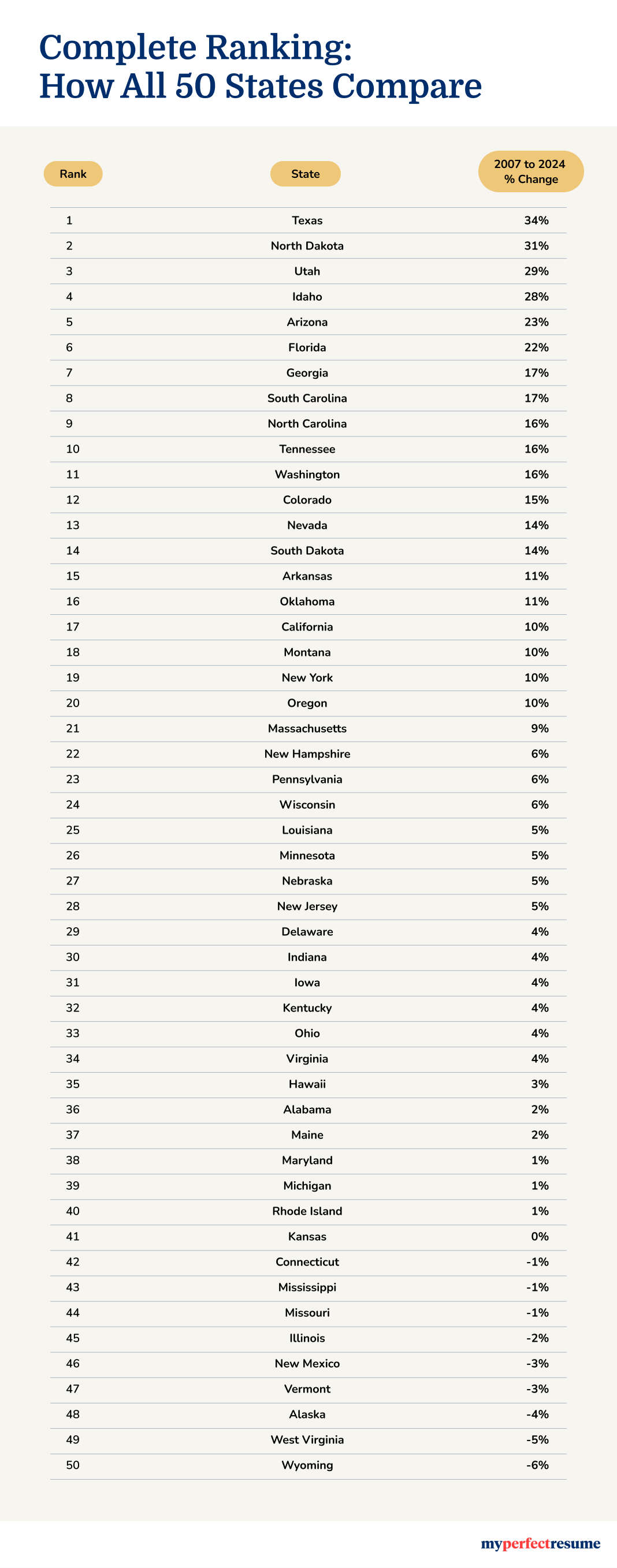
Using BLS data from 2007 to 2024, we ranked all 50 states based on the percentage change in total hours worked, highlighting where labor demand has increased the most and where it has tapered off.
Top 10 States With the Largest Increase in Hours Worked
These are the epicenters of labor intensity and potential burnout.
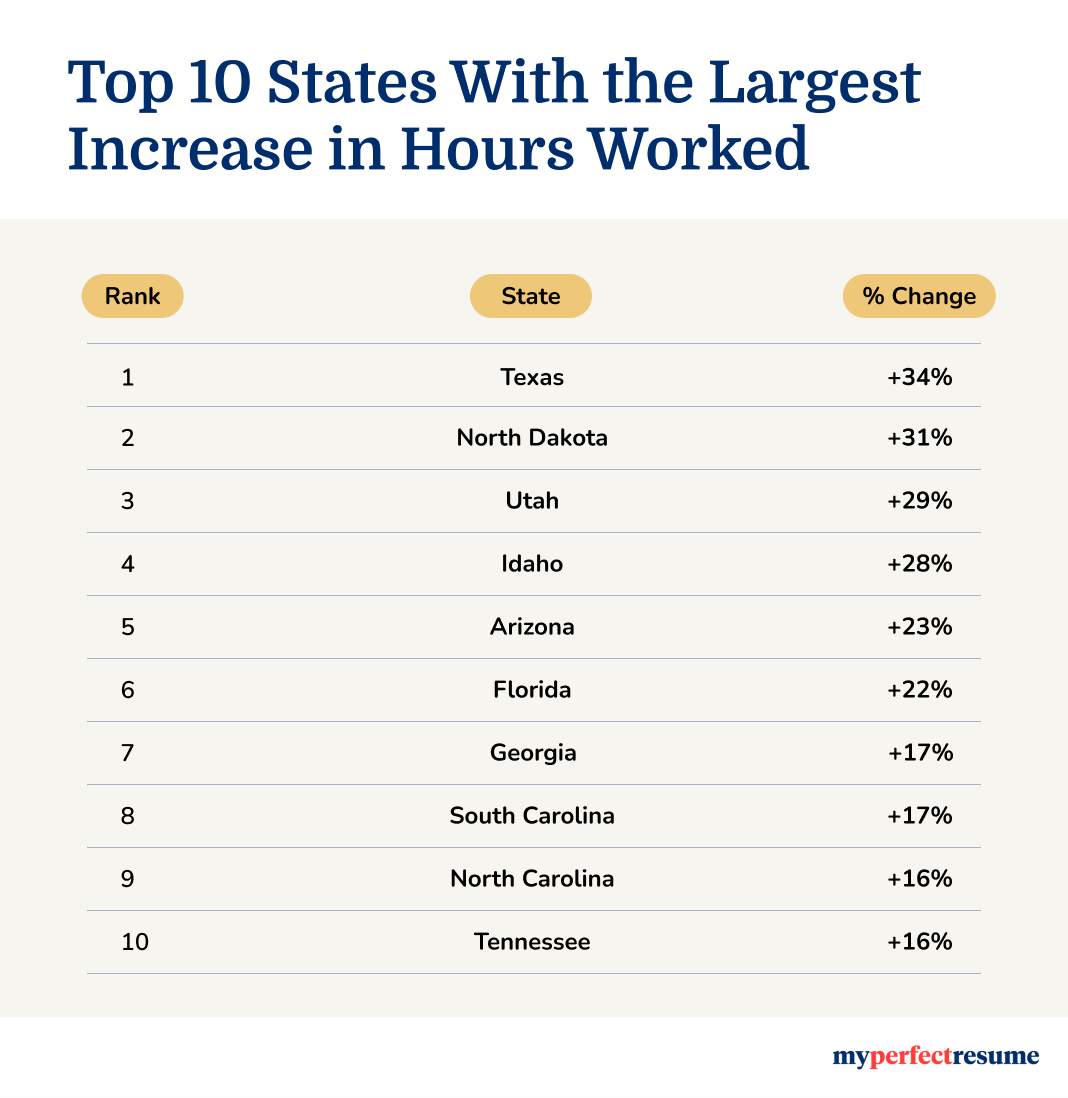
In booming Sun Belt and Mountain West states, such as Texas and Florida, population growth and economic expansion have driven a significant increase in labor demand.
But more jobs don’t always mean better jobs. Many of these gains come with longer hours, unpredictable schedules, and intensified workloads for the average American workweek.
Bottom 5 States With the Smallest (or Negative) Change
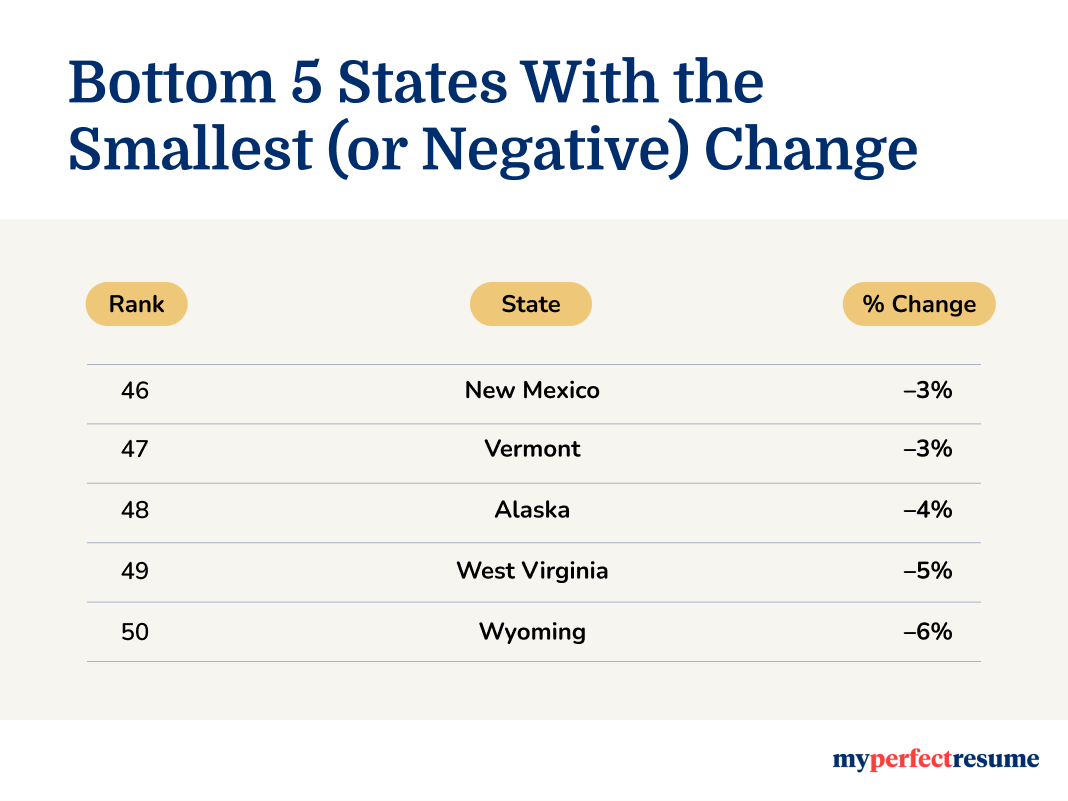
Some states saw minimal gains, or even declines, in labor hours, reflecting slower economic recovery, aging populations, or industrial shifts away from labor-intensive work.
Complete Ranking: How All 50 States Compare
This chart provides a detailed breakdown of cumulative labor hour growth from 2007 to 2024, offering a comprehensive view of how the geography of work has evolved in the United States.
What’s Driving the Increase?
Across the board, the average workweek hours in America have increased since the mid-2000s. That rise is about more than just economic growth:
- Wage stagnation means more hours are needed to make ends meet.
- Labor shortages are prompting workers to stay at their jobs and take on more shifts.
- Remote and hybrid work has blurred the line between home and office, extending working hours well into evenings and weekends.
- Second jobs and gig work are on the rise in response to inflation and rising living costs, increasing the average work hours per week for many Americans.
The Bottom Line
This new metric, total cumulative hours worked, adds a critical layer of understanding to the American labor story. Yes, the economy has recovered in terms of employment. But at what cost?
Many workers are only just surviving. This begs the question: How many hours a week does the average American work to get by—and how much more they can take. See night owl vs early bird insights to learn about how chronotype impacts working hours.
See key findings from our resume rhythm indicator to learn how resume-writing habits are changing, and what these changes tell us about the rhythms of American work. You can also explore the impact of AI on jobs in Kansas City for key insights into how AI is reshaping the job market in major cities and metropolitan areas.
For press inquiries, contact Nathan Barber at nathan.barber@bold.com.
Methodology
This analysis was conducted by MyPerfectResume using publicly available data from the U.S. Bureau of Labor Statistics (BLS).
- National Data: Quarterly totals for hours worked were pulled from the BLS Productivity and Costs program. We compared Q1 2007 to Q4 2024.
- State-Level Data: BLS-indexed data on total hours worked by state from 2007 to 2024 were analyzed to calculate the percent change. These figures represent cumulative labor hours across state economies, taking into account population changes, job growth, and industry shifts.
This metric does not represent the average hours worked per person, but rather the total work volume per state, providing a macro-level view of labor demand.
Rate this article
Working Hours Statistics

Jasmine is a certified career coach and recognized expert in job search strategy. She is committed to helping job seekers navigate the job market and succeed in their careers.
More Articles by Jasmine EscaleraShare this page
 Add MyPerfectResume as a preferred source on Google
Add
Our customers have been hired at:*Foot Note