Table of Contents
Get started with MyPerfectResume today!
- Build a resume on any device
- Pick an ATS-friendly template
- Tailor with AI copy suggestions
Why this cover letter works
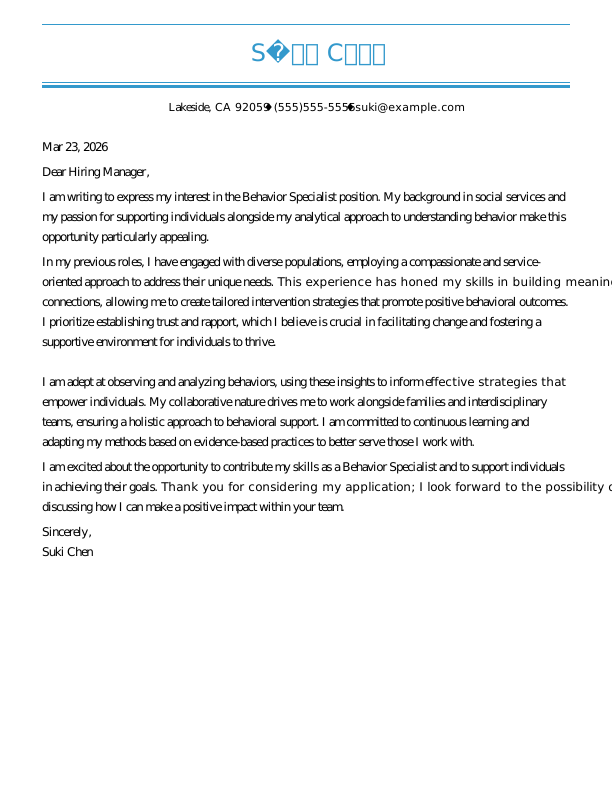
- The cover letter above emphasizes the applicant’s experience in developing effective behavioral interventions and successful case studies that demonstrate their impact on client outcomes. Review what to include in a cover letter that resonates with hiring managers and wins interviews.
More Behavior Specialist Cover Letter Examples
Check out our diverse collection of cover letter examples, which showcase different styles and approaches that can help you stand out in your job search.
Entry-Level Behavior Specialist Cover Letter

Why this cover letter works
- A cover letter header like the one above is important for behavior specialist applications as it professionally presents essential contact information. Ensuring the header aligns with the resume design improves consistency and facilitates easy communication between employers and applicants.
Experienced Behavior Specialist Cover Letter

Why this cover letter works
- A cover letter outline helped this applicant organize their interpersonal skills, commitment to behavioral development, and collaborative experience. This structure highlights their ability to connect with individuals and work well within teams, showcasing their qualifications for the behavior specialist role.
Behavior Specialist Cover Letter Template (Text Version)
Eager to personalize your behavior specialist cover letter? You’ll find a text version available for easy copying, and be sure to check out our collection of cover letter templates to uncover formats that showcase your expertise in behavioral health.
Suki Chen
Lakeside, CA 92059
(555)555-5555
suki@example.com
Mar 23, 2026
Dear Hiring Manager,
I am writing to express my interest in the Behavior Specialist position. My background in social services and my passion for supporting individuals alongside my analytical approach to understanding behavior make this opportunity particularly appealing.
In my previous roles, I have engaged with diverse populations, employing a compassionate and service-oriented approach to address their unique needs. This experience has honed my skills in building meaningful connections, allowing me to create tailored intervention strategies that promote positive behavioral outcomes. I prioritize establishing trust and rapport, which I believe is crucial in facilitating change and fostering a supportive environment for individuals to thrive.
I am adept at observing and analyzing behaviors, using these insights to inform effective strategies that empower individuals. My collaborative nature drives me to work alongside families and interdisciplinary teams, ensuring a holistic approach to behavioral support. I am committed to continuous learning and adapting my methods based on evidence-based practices to better serve those I work with.
I am excited about the opportunity to contribute my skills as a Behavior Specialist and to support individuals in achieving their goals. Thank you for considering my application; I look forward to the possibility of discussing how I can make a positive impact within your team.
Sincerely,
Suki Chen
Related Cover Letter Examples
How to Write a Behavior Specialist Cover Letter
Our detailed guidance on how to write a cover letter will help you highlight your expertise in behavioral analysis and your commitment to supporting individuals with diverse needs. Stand out by showcasing your empathy and communication skills.
Address your cover letter properly
When applying for behavior specialist positions, always aim to address your cover letter to a specific person. Use the job posting, company website, or LinkedIn to find the hiring manager’s name. This effort not only personalizes your application but also demonstrates your initiative and interest in the role.
If you can’t find a specific name, avoid using “To Whom It May Concern” and consider alternatives like “Dear Hiring Manager” or specifying the department with greetings such as “Dear Behavioral Health Team.” Learning how to address a cover letter can help you tailor your salutation in ways that align with the organization’s structure and needs.
Personalized greetings are important because they reflect qualities such as attention to detail and genuine enthusiasm for the position. A well-thought-out salutation can make a strong first impression, highlighting your professionalism and commitment—traits highly valued in behavior specialization roles.
Grab attention with your opening paragraph
To grab the hiring manager’s attention quickly, you need to start strong. With so many applications to review, making an impact in the opening of your cover letter is essential. Focus on how to start your cover letter by emphasizing your standout qualifications rather than repeating details from your resume. A powerful opening can set you apart from the competition.
Think about what makes you different as a behavior specialist. Perhaps it’s your experience with specific populations, your ability to develop personalized intervention plans, or your success in reducing behavioral issues in past roles.
Highlight these strengths and connect them directly to what the employer is looking for in their next hire. Show how your unique skills can benefit their team and contribute positively to their mission.
Example of a strong opener
As a behavior specialist with over six years of experience improving student engagement by 20%, I am eager to apply my expertise in behavioral interventions to the dedicated team at Greenfield School. My strengths in developing personalized strategies and fostering inclusive environments align perfectly with your commitment to nurturing every learner’s potential. I’m excited about contributing to Greenfield’s mission of excellence in education.
Looking to stand out as a behavior specialist? Our Cover Letter Generator crafts compelling openings based on your unique experiences, helping you make a memorable first impression in minutes.
Include skills from the job ad
Avoid sending a generic cover letter when applying for behavior specialist roles. Carefully review the job posting and tailor your letter to reflect the specific skills and qualifications requested. This shows you pay close attention to detail and helps your application get noticed by automated screening systems.
In your cover letter, pick two to three important skills from the job description and support each with clear examples from your experience working with clients or managing behaviors.
This focused method shows you’re not only qualified but also well-suited for the particular role and environment where you will be making a difference.
Top skills to list on your cover letter
- Behavioral assessment techniques
- Crisis intervention strategies
- Data analysis and reporting
- Effective communication skills
- Individualized treatment planning
- Group therapy facilitation
- Conflict resolution abilities
- Empathy and active listening
- Client advocacy and support
- Behavior modification strategies
- Cultural competence in practice
- Stress management techniques
- Collaborative problem-solving skills
- Professional boundary setting
- Time management and organization
- Documentation and reporting accuracy
Boost your productivity by using a cover letter template from Google Docs or a Microsoft Word cover letter. These templates ensure neat formatting, allowing you to focus on tailoring your content for each behavior specialist position.
Show your impact with numbers
In the role of a behavior specialist, numbers speak louder than words. Instead of claiming you’re an “effective behavior manager,” illustrate your impact with measurable achievements.
For example, you could highlight how your interventions reduced behavioral incidents by 30% or improved classroom engagement rates by 25%. These specific metrics distinguish you from applicants who only describe their responsibilities, showcasing that you actively contribute to positive student outcomes.
Measurable accomplishments provide evidence of your ability to achieve results, which is what employers seek in a behavior specialist. They indicate that you excel in implementing strategies that foster better behavior and improve learning environments. By presenting quantifiable data, you not only affirm your commitment but also demonstrate a proven history of success that can greatly benefit their institution.
Bullet points to include in your cover letter
- Implemented behavior modification strategies that increased student engagement by 40% over a school year
- Reduced incidents of classroom disruptions by 30% through targeted interventions and training for staff
- Trained 15 educators on effective behavioral techniques, achieving a 100% satisfaction rate in post-training surveys
- Developed a mentorship program that improved student compliance with behavioral goals by 50% within six months
- Collaborated with parents to improve communication, resulting in a 25% increase in positive feedback from families over one academic term
When applying for behavior specialist positions, choose a cover letter format that highlights your quantifiable achievements, as some layouts present metrics more clearly based on your experience level in the field.
Leave a lasting impression
Your closing paragraph should reinforce your enthusiasm and prompt the hiring manager to take action. Understanding how to end a cover letter means being direct about your interest while maintaining a professional tone.
Be sure to thank them for their consideration, reiterate your excitement for the opportunity, and express your desire for further discussion on how your skills as a behavior specialist can positively impact their team. This approach not only shows respect but also highlights your eagerness to contribute meaningfully to their organization.
Example of cover letter closing
Thank you for considering my application for the behavior specialist role at Bright Path Behavioral Services. I am eager to bring my expertise in behavioral analysis and individualized support strategies to your dedicated team. I look forward to the opportunity to discuss how my experience can help improve client outcomes and contribute to your organization’s mission. I am excited about the possibility of working together and hope to hear from you soon.
Tailor your cover letter for specific situations
Navigating a career in behavior specialization can feel daunting, especially if you’re coming from a non-traditional background. It’s essential to address your unique journey directly in your application. By doing so, you can showcase how your diverse experiences improve your capability in this role.
- If you’re changing careers or industries, focus on the transferable skills you bring. For instance, if you’ve worked in education, highlight how your ability to communicate and engage with students translates into effective interactions with clients.
- For those returning to the field after a break, demonstrate how you’ve kept up with developments through relevant workshops or volunteer roles. Emphasize your refreshed passion for supporting individuals with behavioral challenges.
- New graduates should shine a light on internships, coursework related to behavior analysis, and any experience working as a support worker or similar roles that prepare them for this specialty.
FAQ
How long should a behavior specialist’s cover letter be?
Cover letters for behavior specialist positions should be one page long, typically structured into three to four paragraphs. This length allows you to present your most relevant experience and skills clearly without overwhelming hiring managers with too much information.
Understanding how long a cover letter should be is essential for making an impact. Keep your message concise and focused since recruiters spend limited time reviewing each application. A well-crafted cover letter can make a difference in showcasing your qualifications and enthusiasm for the role, so prioritize clarity in your writing.
What’s the difference between a cover letter and a resume?
When applying for a behavior specialist position, your behavior specialist resume will present your qualifications in a clear, structured format.
This document outlines your accomplishments, relevant skills, and positions held throughout your career. In contrast, your cover letter tells the story behind those credentials. It highlights not just what you have done but also how those experiences shape who you are as a professional.
Your cover letter serves as the “why” and “how.” It conveys your passion for working with individuals to improve their behavioral health and explains why you’re an excellent fit for this specific role at the organization.
Understanding the cover letter vs resume distinction allows you to leverage both documents, showcasing different facets of your expertise and making a strong case for your candidacy.
Should I include a cover letter even if it’s not required?
Absolutely! Including a cover letter, even when optional, shows your dedication and willingness to go beyond the basics.
In the field of behavior specialization, hiring managers look for applicants who not only have the right credentials but also demonstrate strong interpersonal skills and a genuine commitment to helping individuals overcome challenges. A resume alone may not fully express your approach or philosophy in supporting clients.
Imagine two equally qualified behavior specialists applying for the same role. One submits a detailed cover letter outlining their strategies for effective intervention, while the other does not. In conversations about whether cover letters are necessary, it’s clear that a thoughtful submission could make all the difference in securing an interview.
When uncertain, include a cover letter—you stand to gain valuable attention by showcasing your unique qualifications and passion for behavioral health.
What does a professional cover letter look like?
A professional behavior specialist’s cover letter should be clean, organized, and easy to scan at a glance. Use a standard business letter format featuring your contact information at the top, followed by the date and employer’s details.
Use a professional font like Arial or Times New Roman in 11-12 point size with standard margins and single spacing between lines to maintain clarity.
The layout should consist of a clear header, a personalized greeting (avoid using “To Whom It May Concern”), three to four concise paragraphs in the body, and a formal closing with your signature. Allow for plenty of white space to improve readability since hiring managers often review numerous applications quickly.
For additional guidance on what a cover letter should look like, refer to our resources that provide visual examples and formatting tips aimed at ensuring your application stands out as polished and professional.
Can ChatGPT write a cover letter?
While you can use ChatGPT to write a cover letter, it’s not the ideal approach for standing out as a behavior specialist.
AI tools can help generate ideas and overcome writer’s block, but they often create content that feels generic and lacks the personal touch needed in this sensitive field. A letter that sounds robotic and impersonal won’t convey your commitment to supporting individuals with behavioral challenges in a meaningful way.
Hiring managers in this area can easily identify AI-generated letters, as they often miss the specific insights and genuine passion that make a job seeker truly shine. These letters typically lack personal anecdotes and detailed motivations relevant to working with diverse populations. Instead of relying solely on AI, consider it a starting point for organizing your thoughts.
Infuse your cover letter with authentic experiences and reflections on your approach to behavior management—your unique voice will always resonate more than anything produced by an automated tool.
Rate this article
Behavior Specialist


Marla is a professional resume writer. She is committed to helping job seekers navigate the job market and succeed in their careers.
More Articles by Marla FigueroaShare this page
 Add MyPerfectResume as a preferred source on Google
Add