Table of Contents
Get started with MyPerfectResume today!
- Build a resume on any device
- Pick an ATS-friendly template
- Tailor with AI copy suggestions
Why this cover letter works
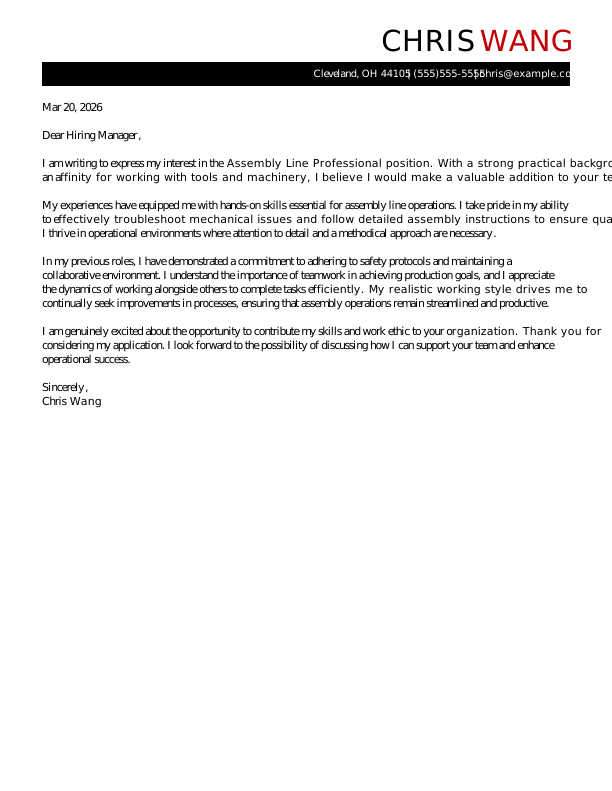
- This cover letter highlights specific achievements like reducing production time or improving safety measures. When considering what to include in a cover letter for an assembly line professional position, focus on your experience with efficiency improvements and knowledge of industry tools and machinery.
More Assembly Line Professional Cover Letter Examples
Explore our collection of cover letter examples for assembly line professionals to find the perfect inspiration for your job application. Whether you’re starting or have years of experience, these resources will guide you in crafting a standout cover letter that highlights your skills and qualifications.
Entry-Level Assembly Line Professional Cover Letter

Why this cover letter works
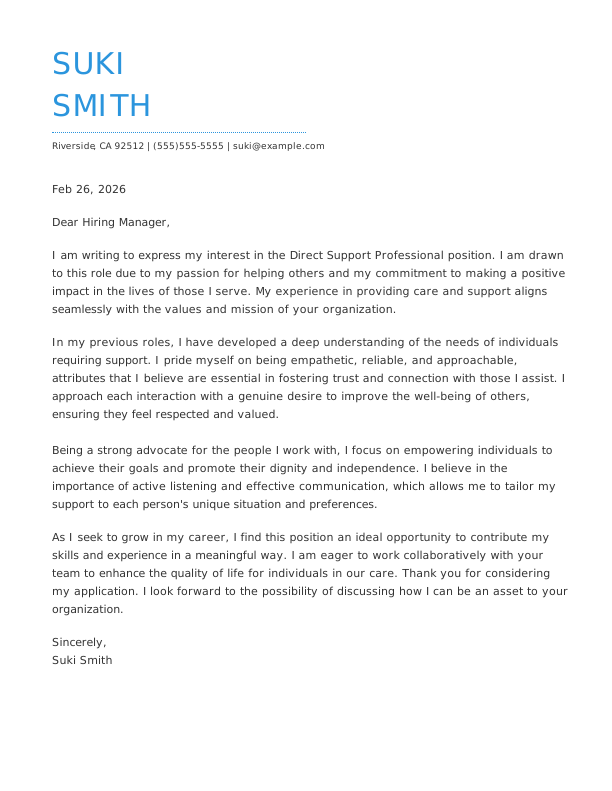
- The cover letter header above provides essential contact information in a clear format. A polished header not only improves professionalism but also ensures consistency with the resume design, making a strong first impression on potential employers.
Experienced Assembly Line Professional Cover Letter

Why this cover letter works
- A cover letter outline helped this assembly line professional connect their hands-on experience and commitment to safety with their collaborative spirit. This created a compelling narrative that illustrates how past achievements can lead to future contributions within the manufacturing industry.
Assembly Line Professional Cover Letter Template (Text Version)
Eager to personalize your assembly line professional cover letter? You’ll find a text version for easy copying, and be sure to explore our diverse range of cover letter templates to help you showcase your skills.
Chris Wang
Cleveland, OH 44105
(555)555-5555
chris@example.com
Mar 20, 2026
Dear Hiring Manager,
I am writing to express my interest in the Assembly Line Professional position. With a strong practical background and an affinity for working with tools and machinery, I believe I would make a valuable addition to your team.
My experiences have equipped me with hands-on skills essential for assembly line operations. I take pride in my ability to effectively troubleshoot mechanical issues and follow detailed assembly instructions to ensure quality and efficiency. I thrive in operational environments where attention to detail and a methodical approach are necessary.
In my previous roles, I have demonstrated a commitment to adhering to safety protocols and maintaining a collaborative environment. I understand the importance of teamwork in achieving production goals, and I appreciate the dynamics of working alongside others to complete tasks efficiently. My realistic working style drives me to continually seek improvements in processes, ensuring that assembly operations remain streamlined and productive.
I am genuinely excited about the opportunity to contribute my skills and work ethic to your organization. Thank you for considering my application. I look forward to the possibility of discussing how I can support your team and enhance operational success.
Sincerely,
Chris Wang
Related Cover Letter Examples
How to Write an Assembly Line Professional Cover Letter
Are you ready to create an effective cover letter for your assembly line professional application? Our detailed guide on how to write a cover letter will help you highlight your attention to detail, teamwork abilities, and dedication to efficiency, ensuring you stand out in the competitive job market.
Address your cover letter properly
When applying for assembly line positions, always address your cover letter to a specific person if you can find their name. Look at the job posting, company website, or LinkedIn for information. This personal touch shows you have done your research and sets a positive tone for your application.
If you’re unsure how to address a cover letter because the hiring manager’s name isn’t available, avoid using “To Whom It May Concern.” Instead, use “Dear Hiring Manager” or specify by department with phrases such as “Dear Production Team.” These alternatives show that you understand the role and organization.
Personalized greetings are important because they highlight attention to detail and genuine interest in the position. A thoughtful salutation can make a strong impression and convey qualities like reliability and commitment that are highly valued in assembly line work. Addressing your cover letter properly is an opportunity to stand out among job seekers.
Grab attention with your opening paragraph
When crafting your cover letter, it’s essential to grab the hiring manager’s attention quickly. They sift through countless applications daily, so learning how to start your cover letter is key. Focus on leading with your strongest qualities instead of simply repeating what’s on your resume. This approach will help you stand out among the crowd.
To identify what makes you unique as an assembly line professional, think about specific strengths that set you apart. Perhaps you have experience in quality control, a knack for improving production speed, or excellent teamwork skills. Highlight these attributes and link them directly to the needs of the employer, demonstrating how you can contribute positively to their operations.
Example of a strong opener
As an assembly line professional with over six years of experience in high-volume production environments, I am eager to contribute my skills in efficiency optimization and quality assurance to the team at Precision Manufacturing. My ability to improve workflow processes resulted in a 20% increase in output during my previous role. I look forward to applying my expertise to support your commitment to excellence in manufacturing.
Struggling to find the right words for your cover letter? Use our Cover Letter Generator to create customized openings tailored to your assembly line experience, helping you craft the perfect introduction in minutes.
Include skills from the job ad
Do not submit a generic cover letter when applying for assembly line professional positions. Instead, take the time to analyze the job posting carefully and reflect on the specific skills and qualifications they require. This attention to detail demonstrates that you’re a serious applicant who understands what the employer is looking for, which can help your application get through automated screening systems.
In your cover letter, identify two to three key skills mentioned in the job description and provide concrete examples from your experience on the assembly line.
This focused approach not only highlights your relevant qualifications but also shows that you’re an excellent fit for this particular role and company culture.
Top skills to list on your cover letter
- Assembly line setup and adjustment
- Quality inspection and assurance
- Machine operation and maintenance
- Safety protocol adherence
- Time management and efficiency
- Teamwork and collaboration
- Problem-solving skills
- Attention to detail
- Process optimization techniques
- Adaptability to changes in production
- Communication skills with team members
- Punctuality and reliability
- Inventory management skills
- Lean manufacturing principles understanding
- Preventive maintenance practices
- Data entry for production tracking
Save time by using a cover letter template from Google Docs or a Microsoft Word cover letter. These templates ensure neat formatting, allowing you to focus on tailoring your content for each assembly line professional position.
Show your impact with numbers
In the manufacturing industry, numbers speak louder than words. Instead of just stating you’re a “hardworking assembly line professional,” demonstrate your impact with concrete metrics.
For example, mention that you improved production efficiency by 25% or reduced defect rates by 15% over six months. These statistics distinguish you from applicants who only describe their tasks and show that you actively contribute to operational success.
Measurable accomplishments validate your ability to deliver results, which employers highly value. They indicate that you excel in your role and can replicate that success in their organization. By presenting specific achievements, you illustrate not just your dedication but also your effectiveness in improving productivity and quality on the assembly line.
Bullet points to include in your cover letter
- Increased production efficiency by 20% over six months through process optimization and team training
- Reduced waste on the assembly line by 15%, saving the company $50,000 annually
- Trained 10 new team members, achieving a 100% safety compliance rate during their probation period
- Implemented a new inventory tracking system that decreased stock discrepancies by 30% in one year
- Achieved a 99% on-time delivery rate for all orders over two years
When applying as an assembly line professional, choose a cover letter format that highlights your accomplishments. Different layouts can display your metrics more clearly based on your experience level in the industry.
Leave a lasting impression
Your closing paragraph should reinforce your enthusiasm and prompt the hiring manager to take action. Understanding how to end a cover letter involves being direct about your interest while maintaining professionalism.
Thank them for considering your application, express your excitement about the opportunity, and clearly state that you would welcome a discussion on how your assembly line skills can positively impact their operations. This approach not only shows your eagerness but also aligns with the needs of their team.
Example of cover letter closing
Thank you for considering my application for the assembly line professional position at Precision Manufacturing Co. I am eager to bring my skills in efficient production and quality control to your esteemed team. I believe my experience in streamlining processes can significantly contribute to your operational goals. I would love the opportunity to discuss how I can support the ongoing success of your organization. I look forward to hearing from you soon.
Tailor your cover letter for specific situations
As an assembly line professional with a non-traditional background, it’s essential to address your unique journey directly in your application. Acknowledge any changes upfront to show awareness, then highlight how your experience makes you a valuable applicant. Here are a few examples:
- If you’re transitioning from another field, focus on transferable skills. For instance, if you have experience in logistics, emphasize how that expertise can improve efficiency and workflow on the assembly line.
- Returning professionals should showcase how they’ve stayed engaged with industry developments. This could include training courses or part-time roles that demonstrate your commitment to excellence and readiness to jump back in.
- New graduates ought to spotlight hands-on training gained during internships or relevant projects. Mention any related jobs or volunteer experiences that underline your eagerness and ability to contribute effectively right from day one.
FAQ
How long should an assembly line professional’s cover letter be?
Cover letters for assembly line professional applications should be one page long, typically structured in three to four paragraphs.
This length allows you to showcase your relevant experience and skills without overwhelming hiring managers, making it easier for them to recognize your qualifications.
Understanding how long a cover letter should be is essential when applying for jobs. Being concise and focused is important since recruiters spend limited time reviewing each application.
A well-crafted cover letter can capture their attention quickly, presenting your strengths clearly while ensuring you stand out from the competition.
What’s the difference between a cover letter and a resume?
When applying for assembly line professional positions, your assembly line professional resume showcases your experience, skills, and achievements in a clear and organized manner.
It highlights the “what” of your career—what you’ve done, what you’re capable of, and the roles you’ve filled. In contrast, your cover letter provides a narrative that connects these qualifications to your personal journey and aspirations in the field.
Your cover letter serves as the “why” and “how.” It explains your passion for assembly work, demonstrates how your background aligns with the specific job requirements, and illustrates why you’re drawn to that particular company.
Understanding the cover letter vs resume distinction allows you to leverage both documents. Each serves its purpose in presenting a well-rounded view of who you are as an applicant.
Should I include a cover letter even if it’s not required?
Absolutely! Including a cover letter, even when it’s optional, shows your commitment and willingness to go the extra mile—qualities that are essential in assembly line work where precision and teamwork matter.
Hiring managers want to see not just your experience but also your ability to communicate and demonstrate a strong work ethic that a resume alone may not convey.
Now, imagine this scenario: two equally qualified assembly line professionals apply for the same position, but only one submits a cover letter explaining their dedication to safety standards and efficiency. In discussions about whether cover letters are necessary, it’s clear that the job seeker who took the extra step is more likely to get noticed.
When in doubt, include a cover letter—you have nothing to lose and everything to gain by showcasing your unique strengths and fit for the role.
What does a professional cover letter look like?
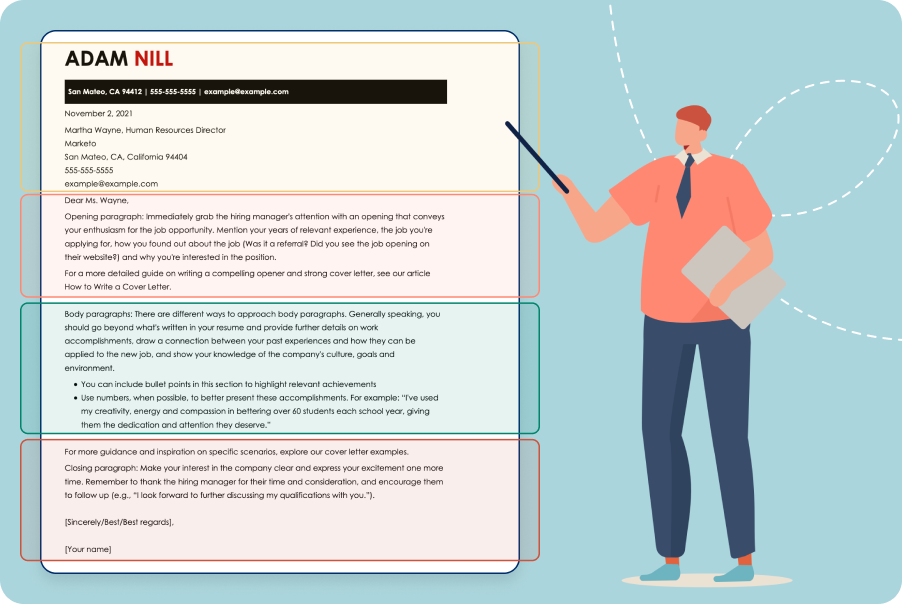
A professional assembly line cover letter should look clean, organized, and easy to scan at a glance. Use a standard business letter format with your contact information at the top, followed by the date and employer’s details.
Choose a professional font such as Arial or Times New Roman in 11-12 point size, ensuring standard margins and single spacing between lines for a neat presentation.
The layout should include a clear header, a personalized greeting (avoid using “To Whom It May Concern”), and three to four concise paragraphs in the body that highlight your skills and experience. End with a formal closing and your signature. Prioritize white space to improve readability since hiring managers often review numerous applications quickly.
For additional guidance on what a cover letter should look like, explore our resource that outlines visual examples and formatting tips to ensure your application stands out in any competitive setting.
Can ChatGPT write a cover letter?
While you can use ChatGPT to write a cover letter, it may not be the best approach for your application. AI tools can help brainstorm ideas and overcome writer’s block, but they often churn out generic content that lacks the personal touch and specific details employers look for in an assembly-line professional.
Relying solely on these tools can result in a letter that feels robotic and disconnected from your true skills and experiences.
Hiring managers in manufacturing quickly notice AI-generated letters because they tend to lack enthusiasm and relevant insights needed for the role. These letters often miss out on showcasing hands-on experience, problem-solving abilities, and commitment to safety standards.
Instead of depending entirely on AI, treat it as a starting point to get organized, then personalize your letter with authentic examples from your work history. Your genuine voice will always make a stronger impression than any automated text.
Rate this article
Assembly Line Professional


Elizabeth is a Certified Professional Resume Writer (CPRW) and a member of the Professional Association of Resume Writers & Career Coaches. She is committed to helping job seekers navigate the job market and succeed in their careers.
More Articles by Elizabeth Muenzen, CPRWShare this page
 Add MyPerfectResume as a preferred source on Google
Add