Table of Contents
Get started with MyPerfectResume today!
- Build a resume on any device
- Pick an ATS-friendly template
- Tailor with AI copy suggestions
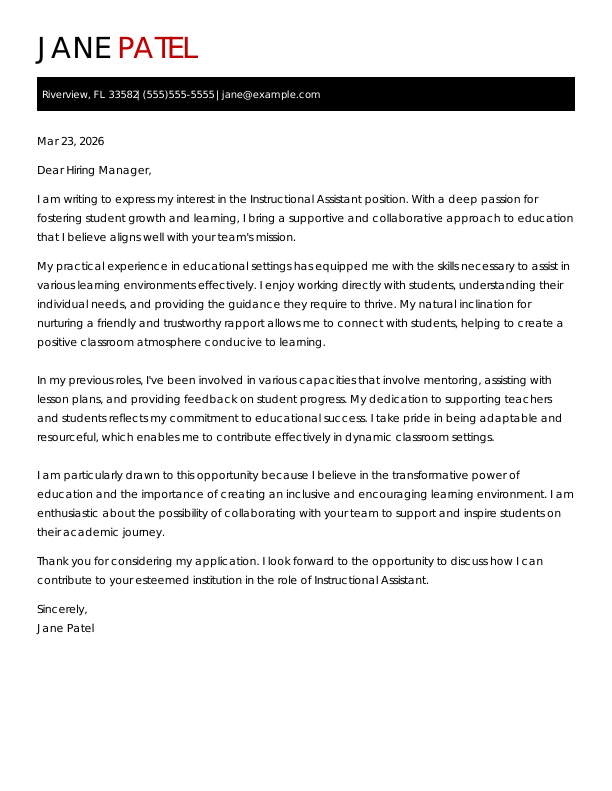
Why this cover letter works
- This cover letter mentions specific successes in improving student performance and collaborating with educators on effective projects. Understanding what to include in a cover letter is important for an instructional assistant role.
More Instructional Assistant Cover Letter Examples
Are you ready to improve your job search as an instructional assistant? Check out our collection of cover letter examples, featuring everything from fresh graduates eager to showcase their skills to experienced educators highlighting their teaching achievements.
Entry-Level Instructional Assistant Cover Letter
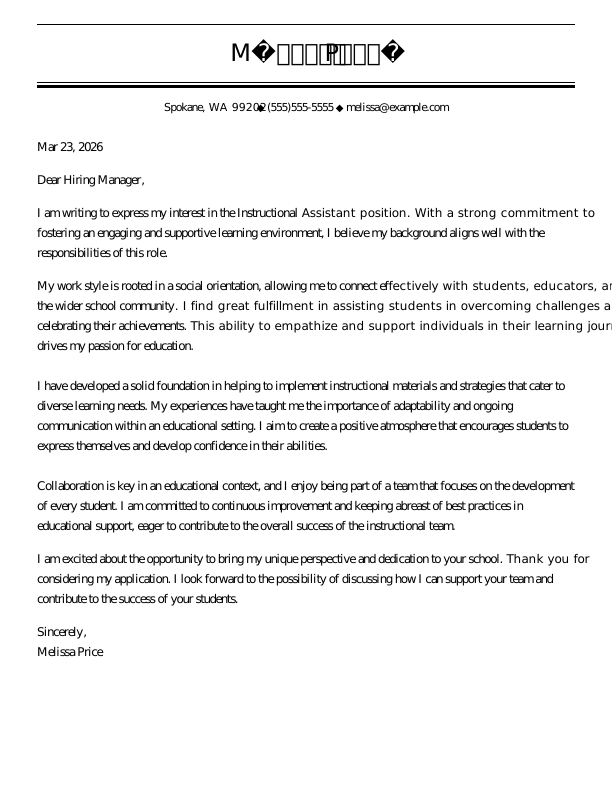
Why this cover letter works
- Including a cover letter header like this one is important for instructional assistant applications because it contains essential contact information presented in a professional format. Ensuring consistency with the resume design helps employers easily reach out to applicants, improving their overall impression.
Experienced Instructional Assistant Cover Letter

Why this cover letter works
- Using a cover letter outline empowered this instructional assistant to weave diverse experiences in student engagement and lesson implementation into a compelling narrative. This approach highlights past successes while showcasing their dedication to nurturing a supportive educational environment for future growth.
Instructional Assistant Cover Letter Template (Text Version)
Eager to personalize your instructional assistant cover letter? Below, you’ll find a text version for easy copying, and be sure to explore our collection of cover letter templates to discover formats that can showcase your skills in supporting educators and students alike.
Jane Patel
Riverview, FL 33582
(555)555-5555
jane@example.com
Mar 23, 2026
Dear Hiring Manager,
I am writing to express my interest in the Instructional Assistant position. With a deep passion for fostering student growth and learning, I bring a supportive and collaborative approach to education that I believe aligns well with your team’s mission.
My practical experience in educational settings has equipped me with the skills necessary to assist in various learning environments effectively. I enjoy working directly with students, understanding their individual needs, and providing the guidance they require to thrive. My natural inclination for nurturing a friendly and trustworthy rapport allows me to connect with students, helping to create a positive classroom atmosphere conducive to learning.
In my previous roles, I’ve been involved in various capacities that involve mentoring, assisting with lesson plans, and providing feedback on student progress. My dedication to supporting teachers and students reflects my commitment to educational success. I take pride in being adaptable and resourceful, which enables me to contribute effectively in dynamic classroom settings.
I am particularly drawn to this opportunity because I believe in the transformative power of education and the importance of creating an inclusive and encouraging learning environment. I am enthusiastic about the possibility of collaborating with your team to support and inspire students on their academic journey.
Thank you for considering my application. I look forward to the opportunity to discuss how I can contribute to your esteemed institution in the role of Instructional Assistant.
Sincerely,
Jane Patel
Related Cover Letter Examples
How to Write an Instructional Assistant Cover Letter
Are you ready to create an impressive cover letter for your instructional assistant position? Discover how to write a cover letter that highlights your ability to support teachers, foster student engagement, and communicate well. With our helpful tips, you can present your skills in a way that stands out to employers.
Address your cover letter properly
When applying for instructional assistant positions, aim to address your cover letter to a specific individual whenever possible. Research the hiring manager’s name through the job posting, school website, or LinkedIn. This personal touch demonstrates your effort and makes your application stand out from others with generic greetings.
If you’re unsure how to address a cover letter due to missing names, skip the outdated “To Whom It May Concern.” Instead, use alternatives like “Dear Hiring Manager” or specify by department with phrases such as “Dear [Department Name] Team.” This shows you’re familiar with the organization and its structure.
Personalized greetings matter because they reflect your attention to detail and genuine interest in the role. A deliberate salutation is often your first impression and can showcase qualities like dedication and professionalism that schools cherish in instructional assistants.
Grab attention with your opening paragraph
When applying for an instructional assistant position, it’s best to grab the hiring manager’s attention right away. They sift through numerous applications each day, so knowing how to start your cover letter is key.
Begin with a strong statement about what you bring to the table instead of repeating details from your resume. Make your opening count by showcasing your most impressive qualification or a genuine enthusiasm for helping students learn.
Think about what sets you apart as an instructional assistant. Perhaps you have experience working with diverse learning needs, a knack for creating engaging lesson plans, or strong communication skills that help foster teamwork in the classroom. Identify these strengths and connect them directly to what the school or organization values most in their job seekers.
This approach not only highlights your unique qualities but also shows how you can contribute meaningfully to their goals.
Example of a strong opener
As an enthusiastic instructional assistant with over three years of experience supporting diverse classrooms, I have successfully facilitated improved student engagement by 20%. I’m eager to bring my strong organizational skills and passion for fostering inclusive learning environments to the dedicated team at Springfield Elementary. I believe my commitment to student success aligns perfectly with your mission of nurturing every child’s potential.
Looking to make your cover letter stand out? Our Cover Letter Generator creates personalized openings that highlight your experience as an instructional assistant in minutes.
Include skills from the job ad
Don’t submit a generic cover letter when applying for instructional assistant positions. Instead, read the job posting closely and reflect on the specific skills and qualifications they are looking for. This shows that you pay attention to detail and understand what the employer needs, which can help your application get through automated screening processes.
In your cover letter, identify two to three key skills from the job description and provide concrete examples from your experience working with students. This focused approach not only highlights your qualifications but also demonstrates that you’re an ideal match for this particular role in the classroom environment.
Top skills to list on your cover letter
- Classroom management and student engagement
- Curriculum development support
- Educational technology integration
- Assessment and evaluation techniques
- Individualized education plan (IEP) implementation
- Behavioral intervention strategies
- Communication with parents and guardians
- Collaboration with teaching staff
- Organizational skills for lesson planning
- Cultural competence in diverse classrooms
- Adaptability to different learning styles
- Conflict resolution among students
- Professional development participation
- Maintaining a safe learning environment
- Data collection and reporting for assessments
- Instructional material preparation
Save time by using a cover letter template from Google Docs or a Microsoft Word cover letter. These templates ensure neat formatting, allowing you to focus on tailoring your content for each instructional assistant position.
Show your impact with numbers
In the role of instructional assistant, numbers speak louder than words. Instead of merely stating you’re a “supportive team member,” demonstrate your impact with concrete examples.
For instance, highlight how you helped increase student engagement by 30% through tailored learning activities or supported a special education program that improved individual student progress by 25%. These quantifiable achievements distinguish you from those who simply list their responsibilities.
Measurable accomplishments validate your ability to deliver results, something hiring managers highly value. They indicate that you excel in supporting students and improving their learning experiences rather than just performing basic tasks. By emphasizing specific metrics, you showcase not only your dedication but also your effectiveness in fostering an environment where every student can thrive.
Bullet points to include in your cover letter
- Facilitated learning for over 200 students annually, achieving a 95% pass rate in standardized assessments
- Implemented new instructional strategies that improved student engagement scores by 30% within one semester
- Supported 15 teachers in integrating technology into their classrooms, improving lesson delivery effectiveness
- Organized and led workshops that increased parental involvement in school events by 40%
- Assisted in curriculum development projects, resulting in a 20% increase in student retention rates over two years
When applying for instructional assistant positions, choose a cover letter format that highlights your quantifiable achievements. Different layouts can showcase metrics more clearly depending on your experience level in education.
Leave a lasting impression
The closing paragraph should clearly express your enthusiasm for the position and encourage the hiring manager to take the next step in the hiring process.
Understanding how to end a cover letter means being straightforward about your interest while keeping a professional tone.
Thank the reader for their time, restate your excitement about joining their team, and express your eagerness to discuss how your skills as an instructional assistant can support their educational goals.
Example of cover letter closing
Thank you for reviewing my application for the instructional assistant position at Bright Futures Academy. I am truly excited about the chance to support students in their learning journeys and foster a positive classroom environment. My background in educational strategies and experience working with diverse learners will be valuable assets to your team. I am eager to discuss how my skills can contribute to the academy’s mission of academic excellence. I look forward to your response soon.
Tailor your cover letter for specific situations
Navigating a career path to become an instructional assistant can involve unique journeys. Whether you’re transitioning from a different field, returning after time away, or stepping into the workforce as a new graduate, it’s essential to address your situation directly in your application.
Here are a few examples:
- If you’re changing careers, highlight how your previous experiences relate to education. For example, if you worked in customer service, discuss how that translates into effective communication with students and parents.
- Those returning to the role should mention any professional development activities they’ve engaged in during their time off. This could include volunteer work or training sessions that reflect your commitment and readiness to support students.
- New graduates should draw attention to relevant coursework or internships that prepared them for this role. Mention any tutoring experience or positions like a camp counselor that demonstrate your ability to work with children.
FAQ
How long should an instructional assistant’s cover letter be?
Cover letters for instructional assistant applications should be one page long, typically consisting of three to four paragraphs. This length provides ample opportunity to showcase your relevant experience and skills while keeping the content manageable for hiring managers.
Understanding how long a cover letter should be is important since recruiters only spend a few seconds on each application. Being concise and focused helps ensure that your qualifications stand out without overwhelming the reader. Highlighting key points clearly will make a lasting impression and increase your chances of moving forward in the hiring process.
What’s the difference between a cover letter and a resume?
When applying for instructional assistant positions, your instructional assistant resume presents your qualifications in a clear and structured format. It highlights your accomplishments, skills, and relevant experiences.
In contrast, your cover letter vs resume explains the story behind those qualifications. Think of your resume as the “what”—what you have achieved and where you have worked.
Your cover letter is the “why” and “how.” It showcases your passion for education, explains how your background makes you an ideal job seeker for this role, and expresses why you’re interested in that specific school or program.
Understanding the difference allows you to leverage both documents to present a well-rounded view of your candidacy, making it easier for employers to see why you would be a great fit for their team.
Should I include a cover letter even if it’s not required?
Absolutely! Including a cover letter, even when it’s optional, demonstrates your dedication and enthusiasm for the role of an instructional assistant.
Hiring managers in education are on the lookout for job seekers who not only have relevant skills but also show a genuine commitment to supporting student learning and development. A resume may list your qualifications, but a cover letter offers insight into your personality and passion for helping students thrive.
Imagine this scenario: two equally qualified instructional assistants apply for the same position, but one includes a detailed cover letter that highlights their experience working with diverse learners.
In discussions about whether cover letters are necessary, it’s clear that this extra effort can make a significant difference in securing an interview. When unsure, include a cover letter—you have nothing to lose and everything to gain by showcasing your unique strengths and commitment to education.
What does a professional cover letter look like?
A professional instructional assistant cover letter should be clean, organized, and easy to scan. Use a standard business letter format that begins with your contact information at the top, followed by the date and the employer’s details. Choose a simple font like Arial or Times New Roman in 11-12 point size, with standard margins and single spacing between lines. This presentation helps keep your application neat and accessible.
Your cover letter layout should include a clear header, a personalized greeting (avoid using generic phrases), three to four focused paragraphs in the body, and a professional closing with your signature. Incorporate plenty of white space to prevent the document from looking crowded, since hiring managers often review many applications rapidly.
For more guidance and visual examples, visit our resource on what a cover letter should look like to ensure your letter is visually appealing and well-structured.
Can ChatGPT write a cover letter?
While you can use ChatGPT to write a cover letter, it might not be the best approach. AI tools can help you brainstorm and generate ideas, but they often produce content that feels generic and lacks personal connection. Relying solely on these tools can lead to letters that sound robotic and fail to showcase your unique qualities as an instructional assistant.
Hiring managers in education easily spot AI-generated letters because they often lack the specific insights and genuine passion that make applicants truly stand out.
These letters don’t capture the real-life experiences or dedication to student support that are important in this role. Instead of depending entirely on AI, think of it as a way to organize your ideas initially, then personalize it by adding your authentic voice and relevant experiences. Your unique perspective will always resonate more than anything created by an algorithm.
Rate this article
Instructional Assistant


Marla is a professional resume writer. She is committed to helping job seekers navigate the job market and succeed in their careers.
More Articles by Marla FigueroaShare this page
 Add MyPerfectResume as a preferred source on Google
Add