Table of Contents
Get started with MyPerfectResume today!
- Build a resume on any device
- Pick an ATS-friendly template
- Tailor with AI copy suggestions
Why this cover letter works
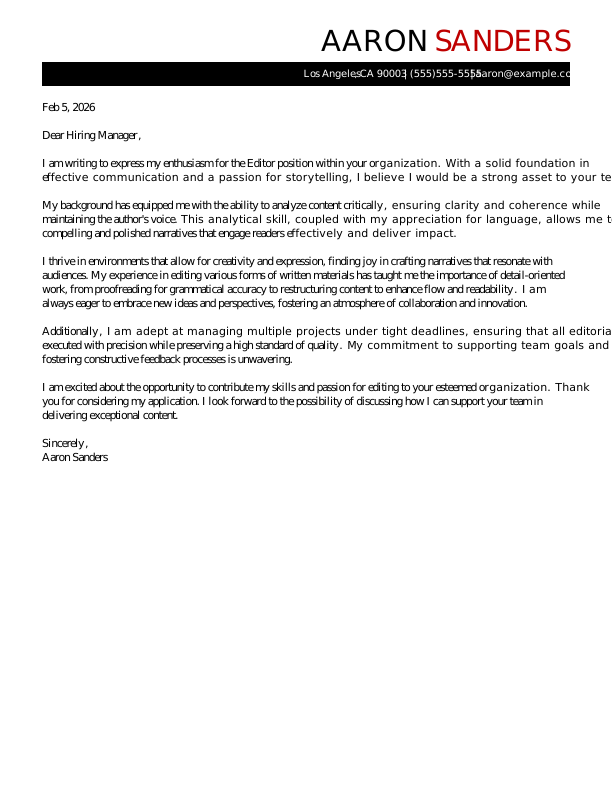
- The cover letter above details the applicant’s editorial experience, specific projects that showcase their ability to improve content quality, and a solid understanding of the publication’s voice. Knowing what to include in a cover letter is essential for capturing the attention of hiring managers.
More Editor Cover Letter Examples
Looking to improve your application with compelling writing? Check out our collection of cover letter examples tailored for editors. This showcases a range of styles from entry-level job seekers to experienced professionals, all designed to inspire and guide you in crafting your perfect cover letter.
Entry-Level Editor Cover Letter
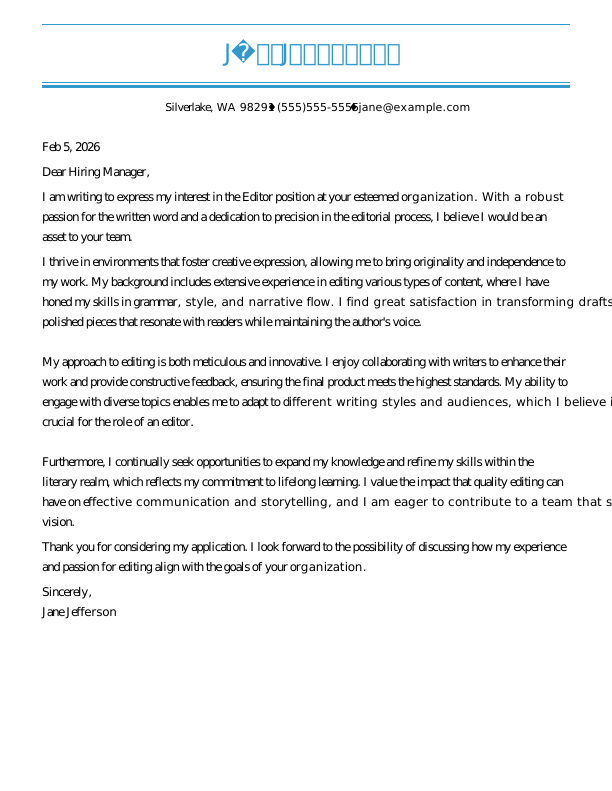
Why this cover letter works
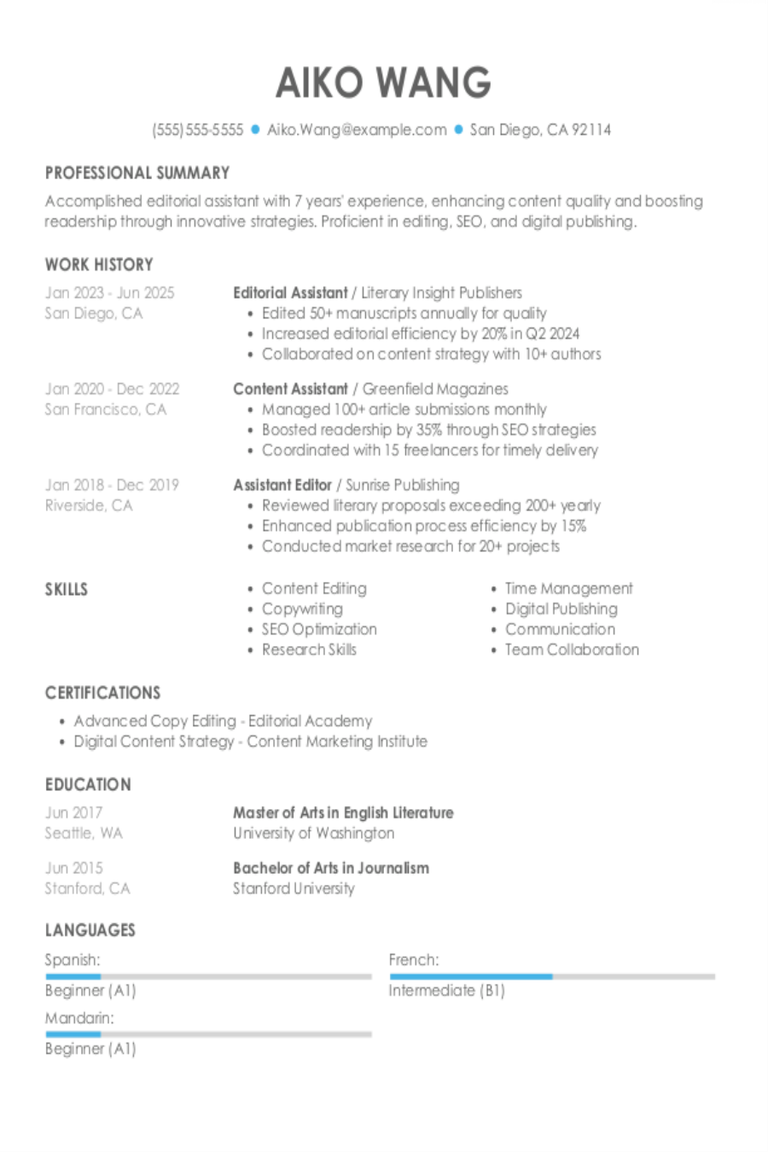
- A strong cover letter header like the one above is important for editor applications, as it provides clear contact information in a professional format. Incorporating this consistency with the resume design improves readability while reflecting the applicant’s attention to detail and professionalism.
Experienced Editor Cover Letter
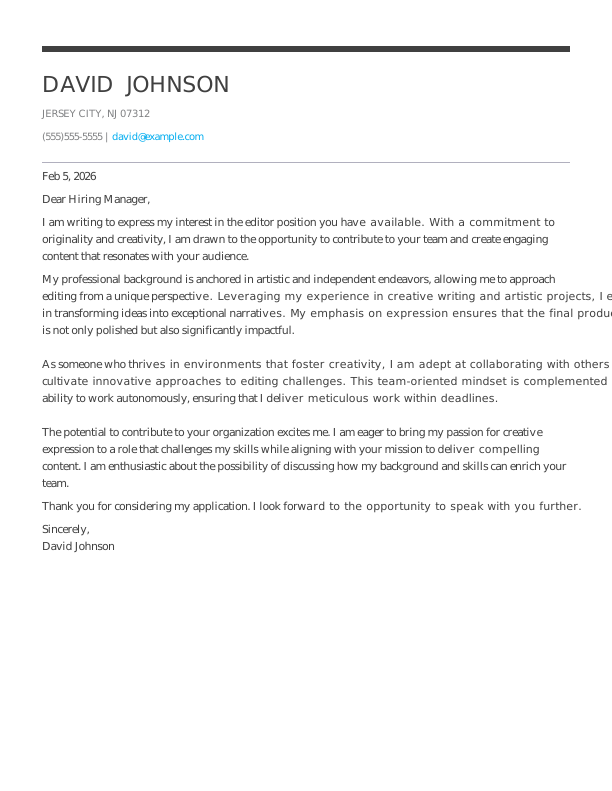
Why this cover letter works
- This applicant used a cover letter outline to structure their editorial accomplishments, experience in content management, and skills in digital publishing, presenting a clear and compelling case for their qualifications in editing.
Editor Cover Letter Template (Text Version)
If you’re looking to tailor your editor cover letter, we provide a text version for easy copying. You can explore our collection of cover letter templates to find the ideal fit for your writing specialty.
Aaron Sanders
Los Angeles, CA 90003
(555)555-5555
aaron@example.com
Feb 5, 2026
Dear Hiring Manager,
I am writing to express my enthusiasm for the Editor position within your organization. With a solid foundation in effective communication and a passion for storytelling, I believe I would be a strong asset to your team.
My background has equipped me with the ability to analyze content critically, ensuring clarity and coherence while maintaining the author’s voice. This analytical skill, coupled with my appreciation for language, allows me to create compelling and polished narratives that engage readers effectively and deliver impact.
I thrive in environments that allow for creativity and expression, finding joy in crafting narratives that resonate with audiences. My experience in editing various forms of written materials has taught me the importance of detail-oriented work, from proofreading for grammatical accuracy to restructuring content to enhance flow and readability. I am always eager to embrace new ideas and perspectives, fostering an atmosphere of collaboration and innovation.
Additionally, I am adept at managing multiple projects under tight deadlines, ensuring that all editorial tasks are executed with precision while preserving a high standard of quality. My commitment to supporting team goals and fostering constructive feedback processes is unwavering.
I am excited about the opportunity to contribute my skills and passion for editing to your esteemed organization. Thank you for considering my application. I look forward to the possibility of discussing how I can support your team in delivering exceptional content.
Sincerely,
Aaron Sanders
Related Cover Letter Examples
How to Write an Editor Cover Letter
Are you ready to create an outstanding cover letter for your editing career? Understanding how to write a cover letter can help you highlight your attention to detail, creativity, and ability to communicate. With our guidance, you’ll be able to impress potential employers with your unique skills.
Address your cover letter properly
When applying for an editor position, start by addressing your cover letter to a specific individual if possible. Investigate the job posting, visit the company’s website, or use LinkedIn to find the hiring manager’s name. This approach not only shows that you have taken the time to research but also adds a personal touch that generic greetings simply cannot achieve.
If you’re unsure how to address a cover letter without a specific name, avoid using “To Whom It May Concern.” Instead, consider alternatives like “Dear Hiring Manager” or reference the department directly with options such as “Dear Editorial Team.” These job-specific titles indicate your familiarity with the role and show your genuine interest in the position.
Personalized greetings matter because they reflect key qualities valued in editing—attention to detail and a commitment to effective communication. Using a thoughtful salutation sets a positive tone for your application and helps establish rapport with potential employers from the outset.
Grab attention with your opening paragraph
Grabbing the hiring manager’s attention right from the start is important. They review countless applications, and you only have seconds to make a strong impression.
So, to start your cover letter, lead with your strongest qualification or share a compelling reason that shows your enthusiasm for this specific role instead of repeating what’s on your resume. Next, think about what makes you unique as an editor. Maybe it’s your eye for detail, your experience with digital content strategies, or your ability to work under tight deadlines while producing high-quality work.
Highlight these strengths and connect them directly to what the employer values most, like improving content quality or engaging readers. This approach not only showcases your skills but also demonstrates that you understand their needs and can contribute meaningfully to their team.
Example of a strong opener
As a seasoned editor with over six years of experience in digital content creation and a strong ability to increase audience engagement by 25%, I am eager to contribute my skills to the editorial team at Creative Media. My keen eye for detail and passion for storytelling align perfectly with your mission to deliver compelling narratives. I look forward to improving your content quality and reaching new audiences together.
Struggling to make your cover letter stand out? Our Cover Letter Generator customizes engaging openings based on your unique editorial background, helping you create the perfect introduction in minutes.
Include skills from the job ad
When applying for editor positions, avoid sending out a generic cover letter that could fit any job. Instead, take the time to study the job posting closely. This not only demonstrates your attention to detail but also helps you navigate past automated screening systems that filter applications based on specific keywords.
In your cover letter, focus on two to three key skills mentioned in the job description and support each one with concrete examples from your editorial experience.
This targeted approach shows hiring managers that you’re not just another applicant but someone who understands their needs and can make valuable contributions to their team. Personalizing your application increases your chances of standing out and getting noticed.
Top skills to list on your cover letter
- Content creation and editing
- SEO optimization strategies
- Project management skills
- Attention to detail in proofreading
- Research and information synthesis
- Effective communication with clients
- Time management for deadlines
- Collaboration with designers
- Adaptability to new tools
- Understanding of branding principles
- Creative problem-solving skills
- Social media engagement techniques
- Audience analysis and targeting
- Data-driven decision making
- Content strategy development
- Quality assurance processes
Maximize your efficiency by using a cover letter template from Google Docs or a Microsoft Word cover letter. These templates offer clear formatting, letting you focus on personalizing your content for each editing position.
Show your impact with numbers
In the world of editing, numbers speak louder than words. Instead of stating you’re a “careful editor,” illustrate your impact with specific achievements.
For example, mention that you reduced turnaround time by 20% on projects or improved accuracy in content by achieving a 98% error-free rate over six months. These metrics set you apart from applicants who merely list tasks and responsibilities without demonstrating their effectiveness.
Quantifiable accomplishments not only highlight your ability to deliver results but also show potential employers that you excel beyond basic functions. When hiring managers see tangible evidence of your impact, they understand that you bring value to their team.
This focus on measurable success is what makes a compelling case for why you’re the right fit for the role, ensuring you stand out in a competitive field.
Bullet points to include in your cover letter
- Increased content engagement by 40% through targeted editorial strategies over six months
- Streamlined the editing process, reducing turnaround time by 30% while maintaining high quality
- Developed and implemented a new style guide that improved consistency across 200+ articles
- Mentored five junior editors, leading to a 100% retention rate during their first year at the company
- Achieved a 25% boost in organic traffic to edited pieces within three months of publication
When selecting a cover letter format as an editor, consider how different layouts can emphasize your quantifiable achievements. The best option often varies based on your experience level within the editing and publishing industries.
Leave a lasting impression
The closing of your cover letter should reinforce your enthusiasm for the editor position and prompt action from the hiring manager. Understanding how to end a cover letter involves being direct about your interest while maintaining professionalism.
Thank the reader for their time, express genuine excitement about the opportunity, and clearly state that you would appreciate the chance to discuss how your editing skills can contribute to their team’s success. This approach leaves a strong impression and encourages further communication about your potential fit for the role.
Example of cover letter closing
Thank you for considering my application for the editor position at Creative Media Solutions. I am excited about the prospect of contributing my editing skills and passion for storytelling to your talented team. I believe my experience in content development and attention to detail can help elevate your projects and improve reader engagement. I look forward to the opportunity to discuss how I can support your goals further. Anticipating your response, I appreciate your time and consideration.
Tailor your cover letter for specific situations
If you’re entering the editorial field from a different profession, returning after a break, or just starting, it’s important to address your unique background confidently. Acknowledge your journey briefly and then focus on how your experiences make you a valuable job seeker. Here are a few examples:
- For career changers, highlight transferable skills. For instance, if you’ve worked in marketing, your ability to craft compelling narratives can improve content quality. Your project management experience could also help streamline editorial processes.
- Those returning to editing should mention ways they’ve kept their skills sharp. This might include freelance work, attending workshops, or engaging in personal writing projects. Emphasize your renewed passion for storytelling and commitment to excellence.
- New graduates should showcase relevant coursework or internships that provided hands-on experience with editing tools and techniques. Any roles in adjacent fields like blogging or social media management can further demonstrate your readiness for the editorial world.
Salary Insights for Editors
Editors earn varying salaries across the United States. The table below highlights the states where editors command the highest compensation.
Our salary information comes from the U.S. Bureau of Labor Statistics’ Occupational Employment and Wage Statistics survey. This official government data provides the most comprehensive and reliable salary information for editors across all 50 states and the District of Columbia. The figures presented here reflect the May 2025 dataset, which is the most recent available as of this publication.
| State | Average Salary |
|---|---|
| New York | $114,590 |
| District of Columbia | $107,440 |
| California | $103,880 |
| New Jersey | $92,490 |
| Washington | $91,180 |
| Connecticut | $90,790 |
| Massachusetts | $87,300 |
| Virginia | $85,890 |
| Delaware | $84,180 |
| Maryland | $77,370 |
FAQ
How long should an editor’s cover letter be?
A cover letter for editorial positions should be one page long, typically structured into three to four concise paragraphs.
This format allows you to showcase your most relevant writing experience, skills, and enthusiasm for the role without overwhelming hiring managers with too much information.
Understanding how long a cover letter should be is important for success in your application. Be concise and focused in your writing since recruiters often spend only a few seconds reviewing each application.
A well-structured cover letter makes it easy for them to grasp your qualifications quickly and encourages them to read further.
What’s the difference between a cover letter and a resume?
While your editor resume presents your skills, experiences, and achievements in a clear and organized format, your cover letter reveals the story behind those qualifications.
The resume serves as the “what”—detailing what you’ve accomplished, the roles you’ve held, and the expertise you bring to the table. This structured approach allows potential employers to quickly assess your professional background and suitability for the position.
On the other hand, your cover letter represents the “why” and “how.” It communicates your passion for editing, explains how your experiences align with their needs, and expresses why you want to join this specific company.
By understanding the distinction between a cover letter and a resume, you can use both documents effectively—your resume to showcase credentials and accomplishments while leveraging your cover letter to convey enthusiasm and fit for the role.
Should I include a cover letter even if it’s not required?
Absolutely! Submitting a cover letter, even when it’s not required, demonstrates your commitment and dedication in the field of editing. Employers appreciate applicants who take extra steps to showcase their skills and personality.
A well-crafted cover letter can highlight your writing abilities and unique perspective, which resumes often fail to capture. Hiring managers are eager to see how you communicate your passion for storytelling and attention to detail—qualities that are essential in editorial roles.
Consider this scenario: two equally qualified editors apply for the same job, but only one includes a compelling cover letter that expresses their enthusiasm for the publication’s mission. Which job seeker is more likely to stand out?
When contemplating whether cover letters are necessary, remember that they can be the deciding factor in your application’s success. If you’re unsure, err on the side of caution—include a cover letter to improve your chances. You have nothing to lose and potentially everything to gain by making that extra effort.
What does a professional cover letter look like?
A well-crafted cover letter for editor applications should exude professionalism while being easy to navigate. Start with your contact details at the top, followed by the date and the employer’s information.
Use a clean font like Arial or Times New Roman, sized between 11 and 12 points, ensuring that your document has standard margins and single line spacing. This polished approach reflects your attention to detail, which is essential in the editing field.
In terms of layout, include a clear header and a personalized greeting—avoid generic salutations such as “To Whom It May Concern.” The body should consist of three to four concise paragraphs that convey your key qualifications and enthusiasm. Conclude with a professional closing and remember to leave ample white space throughout your letter.
Busy hiring managers appreciate documents that are visually appealing and straightforward to read quickly. For more guidance on presentation standards, check out our resource on what a cover letter should look like for effective results.
Can ChatGPT write a cover letter?
While it’s tempting to use ChatGPT to write a cover letter, relying solely on AI might not yield the best results. These tools can assist in generating ideas and overcoming writer’s block, but they often create content that feels impersonal and formulaic. The risk is ending up with a cover letter that sounds robotic rather than reflective of your unique voice.
Hiring managers in the editing field are skilled at identifying AI-generated letters. Such letters typically lack the personal insights and genuine enthusiasm that distinguish job seekers. They miss the nuances of your individual experiences and understanding of the industry.
Instead of depending entirely on AI, consider it a helpful starting point for structuring your thoughts. Make sure to infuse your narrative with real-life examples and specific knowledge related to editing. Remember, your authentic voice will always resonate more strongly than anything an AI could produce.
Rate this article
Editor

Elizabeth is a Certified Professional Resume Writer (CPRW) and a member of the Professional Association of Resume Writers & Career Coaches. She is committed to helping job seekers navigate the job market and succeed in their careers.
More Articles by Elizabeth Muenzen, CPRWShare this page
 Add MyPerfectResume as a preferred source on Google
Add