
Cover Letter Templates
 CREATE ON ANY DEVICE
  AI TOOL
Choose from dozens of professional cover letter templates, add tailored content from industry experts, and download in the file format you need—right from your desktop or mobile device.
Template Name




More Professional Cover Letter Templates
 Simple
 Google Docs
 Microsoft Word
How to Choose the Right Cover Letter Template
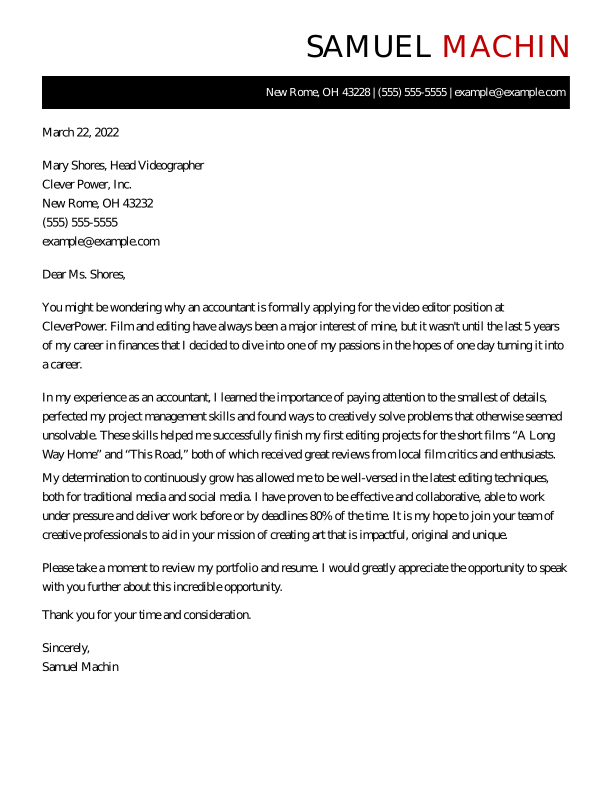
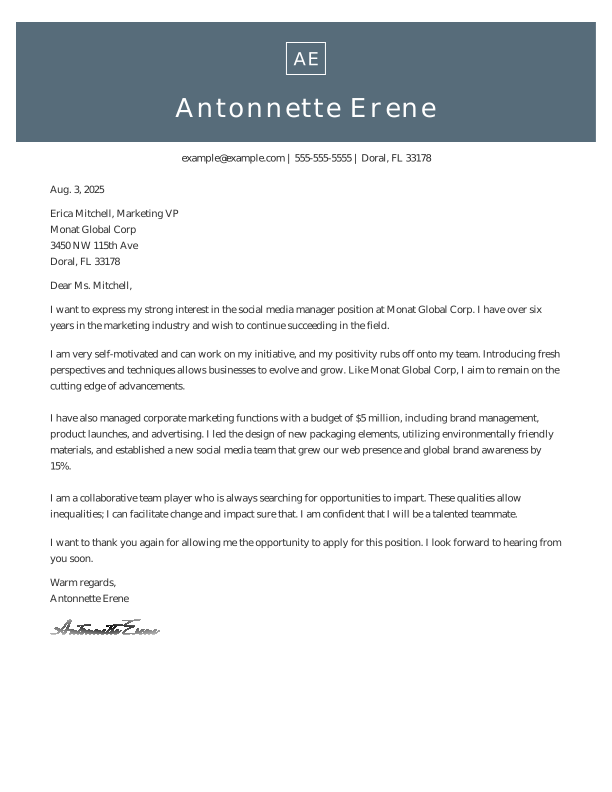
Our collection of cover letter templates includes a variety of designs and styles, each tailored to different industries and career goals to help your qualifications stand out.
Traditional template
Clean, straightforward designs with a classic structure, standard font, and subtle visual elements that keep the focus on your experience

RECOMMENDED
- You want a classic, no-frills presentation that keeps the focus on your skills.
- You’re applying for roles that expect a straightforward application.
- You’re targeting companies with formal hiring processes or branding.
Creative template
Visually engaging designs with colors or elements that reflect personality and creativity while still following standard formatting conventions

- You want to showcase your personality and stand out with a unique design.
- Your work involves creativity, storytelling, or visual thinking.
- You’re targeting companies that value branding and visual storytelling.
Modern template
Contemporary designs with sleek fonts, subtle color accents, and fresh visual elements that balance professionalism with an updated style

- You want a fresh, updated look that stands out and highlights skills.
- You’re applying for roles that value both skills and presentation.
- You’re targeting companies that value innovation and professionalism.
Formatting Tips for Every Cover Letter Template
Follow the formatting best practices below while you customize your cover letter template to ensure a polished, professional structure that aligns with current hiring standards.


Margins
Use 1-inch margins on all sides of your cover letter to maintain a clean layout and enough white space for your skills and qualifications to be easily readable.
Fonts
Use a standard font like Arial, Calibri, or Times New Roman. Stick to 18–24 pt. font size for your name and 10–12 pts. for the body, matching your resume for consistency.
Alignment
Left-align the text throughout your cover letter to maintain an organized layout. The only exception is the header, which can vary in alignment depending on the template design.
Spacing
Keep paragraphs single-spaced, leaving a blank line between them, and add two lines after the header and before your signature for a professional, easy-to-read layout.
Get Hired Fast With MyPerfectResume’s Cover Letter Templates

Professional Formatting
Our professionally designed templates follow standard cover letter format conventions, ensuring you use the correct layout, spacing, and fonts that hiring managers expect.

Easy Customization
You can easily change your color palette, font size, section spacing, and more to fit your career goals and stylistic preferences while retaining professional formatting.

ATS-Friendly Designs
Our templates improve your chances of passing applicant tracking systems (ATS) with simple formatting, standard layouts, and keyword-rich content suggestions.

Tools for Personalization
Personalize your cover letter template with our Cover Letter Generator, which guides you through each step with tips and job-specific content suggestions.
Search Professionally Written
Resume Examples
Easily tailor our resume examples using MyPerfectResume’s online Resume Builder.
Search Professionally Written
Cover Letter Examples
Our cover letter examples highlight the ideal tone and skills employers seek.
Search Professionally Written
CV Examples
Personalize our CV examples with MyPerfectResume’s free Resume Builder.
Get Started Creating A Job-Winning Cover Letter
Create a New Cover Letter
We’ll guide you step-by-step and help you write a personalized cover letter that stands out.
FAQ
Last Updated:
What are the benefits of using a cover letter template?
Using a cover letter template provides a structured, professional layout that saves time and ensures your application looks polished. Templates help you organize your content clearly, maintain consistent formatting, and highlight your skills and experience effectively.
Our templates also double as cover letter examples by showing you how to create a visually appealing letter that will leave a strong impression on hiring managers in your industry.
Are cover letters necessary?
Cover letters aren’t strictly necessary, unless required in the job posting, but they’re highly recommended. Here are a few benefits of writing a cover letter:
- Allows you to provide information that isn’t in your resume
- Gives hiring managers and recruiters a glimpse of your personality
- Provides the space to market yourself as the best candidate
Choose a cover letter template from this page and explore our guide on the necessity of cover letters for additional tips and examples of well-crafted cover letters.
How do you write a strong cover letter?
To write a strong cover letter, start by clearly stating the position you’re applying for and why you’re interested. Highlight your most relevant skills and accomplishments in concise paragraphs, and show how they match the job requirements. Close with a confident call to action that encourages the hiring manager to follow up and schedule an interview.
What does a good template for a cover letter include?
A good cover letter template includes a header for your contact information, a proper salutation, and organized body paragraphs to showcase your skills and experience. Strong templates provide a clear, professional structure to showcase what to include and how to format your letter with readable fonts, consistent line and paragraph spacing, and strategic design elements.
Look for cover letter templates that are easily customizable so you can tailor your letter to each specific job application and adjust the design to suit your style.
How long should a cover letter be?
A cover letter should be one page long, between 250 and 400 words. This cover letter length allows you to detail key achievements without overwhelming the reader.
The recruiter or hiring manager won’t spend that much time reviewing your application, so your writing must be concise and straightforward.
How do you address a cover letter without a name?
If you don’t know the hiring manager’s name, address your cover letter with a professional, generic greeting. Use phrases like “Dear Hiring Manager,” “Dear Recruitment Team,” or “Dear [Department] Team.”
Avoid outdated greetings, such as “To Whom It May Concern,” which can feel impersonal. This approach keeps your letter polite and professional while ensuring it reaches the appropriate person without appearing impersonal.

