Table of Contents
Get started with MyPerfectResume today!
- Build a resume on any device
- Pick an ATS-friendly template
- Tailor with AI copy suggestions
Why this cover letter works
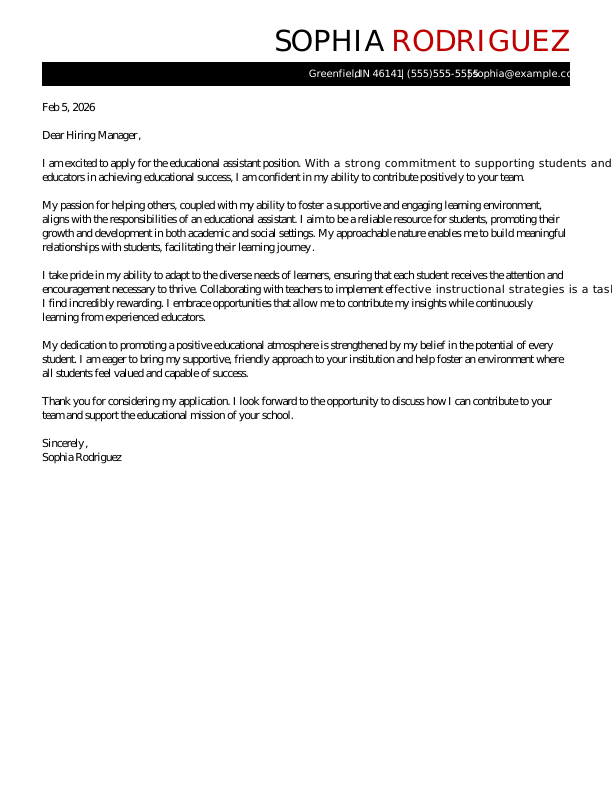
- The cover letter above emphasizes relevant skills, such as communication and organizational abilities, and a passion for education and commitment to fostering a positive learning environment. For guidance on crafting your message, review what to include in a cover letter to ensure it speaks directly to hiring managers.
More Educational Assistant Cover Letter Examples
Curious about how others craft their cover letters for educational assistant roles? Dive into our collection of cover letter examples to discover strategies from aspiring assistants emphasizing their classroom experience to seasoned professionals highlighting their educational support expertise.
Entry-Level Educational Assistant Cover Letter
Why this cover letter works
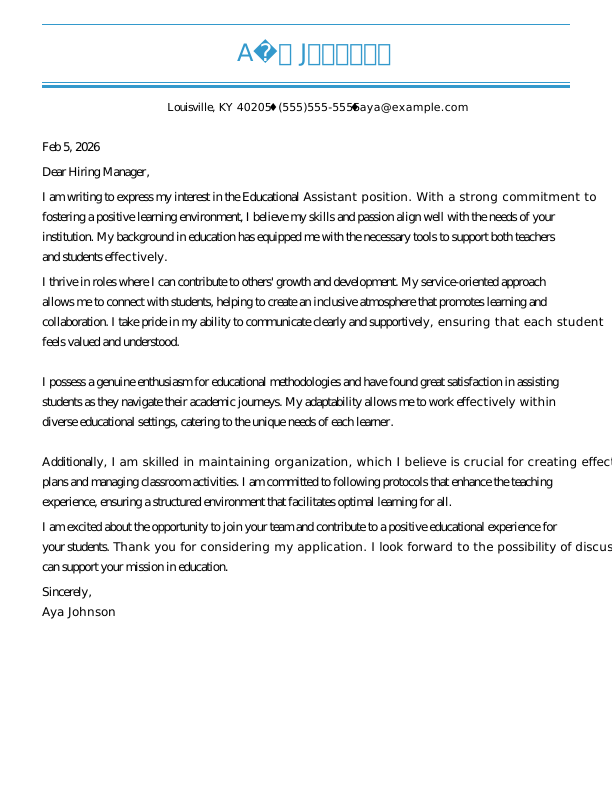
- A cover letter header like the one above is important for educational assistant applications because it presents essential contact information clearly. This professional appearance, which aligns with the resume design, ensures that employers can easily reach out to applicants and highlights their attention to detail.
Experienced Educational Assistant Cover Letter
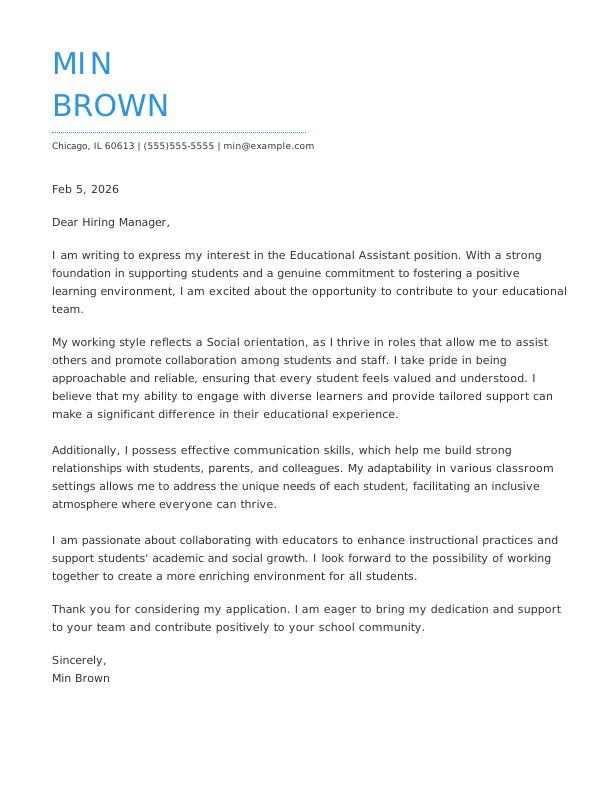
Why this cover letter works
- A strong cover letter outline helped this educational assistant connect their varied instructional experiences, highlighting how past successes in supporting diverse learners can translate into future contributions within the educational field.
Educational Assistant Cover Letter Template (Text Version)
Ready to tailor your educational assistant cover letter? You can easily copy the text version provided and make it your own, or feel free to explore our diverse selection of cover letter templates for specific advantages that suit your needs.
Sophia Rodriguez
Greenfield, IN 46141
(555)555-5555
sophia@example.com
Feb 5, 2026
Dear Hiring Manager,
I am excited to apply for the educational assistant position. With a strong commitment to supporting students and educators in achieving educational success, I am confident in my ability to contribute positively to your team.
My passion for helping others, coupled with my ability to foster a supportive and engaging learning environment, aligns with the responsibilities of an educational assistant. I aim to be a reliable resource for students, promoting their growth and development in both academic and social settings. My approachable nature enables me to build meaningful relationships with students, facilitating their learning journey.
I take pride in my ability to adapt to the diverse needs of learners, ensuring that each student receives the attention and encouragement necessary to thrive. Collaborating with teachers to implement effective instructional strategies is a task I find incredibly rewarding. I embrace opportunities that allow me to contribute my insights while continuously learning from experienced educators.
My dedication to promoting a positive educational atmosphere is strengthened by my belief in the potential of every student. I am eager to bring my supportive, friendly approach to your institution and help foster an environment where all students feel valued and capable of success.
Thank you for considering my application. I look forward to the opportunity to discuss how I can contribute to your team and support the educational mission of your school.
Sincerely,
Sophia Rodriguez
Related Cover Letter Examples
How to Write an Educational Assistant Cover Letter
Are you ready to write a standout cover letter for an educational assistant position? Our detailed tips on how to write a cover letter will help you highlight your communication skills and dedication to supporting students, making sure your passion is clear.
Address your cover letter properly
Address your cover letter to a specific person. Take the time to research the job posting, visit the school’s website, or use LinkedIn to locate the hiring manager’s name. This effort shows that you’re proactive and adds a personal touch that generic greetings cannot provide.
If you can’t find a specific name, you might be wondering how to address a cover letter. In this case, avoid using “To Whom It May Concern” as it feels impersonal. Instead, consider addressing your letter with phrases like “Dear Hiring Manager” or by referring directly to the department, such as “Dear Education Department Team.”
These alternatives reflect an understanding of where you’re applying and maintain professionalism. Personalized greetings matter because they offer an opportunity to showcase qualities that are highly valued in education—attention to detail and a genuine interest in student success. By taking this thoughtful approach, you set a positive tone for your application right from the start.
Grab attention with your opening paragraph
When you’re applying for an educational assistant position, grab attention right away because hiring managers look through many applications. You might wonder how to start your cover letter. Lead with your strongest qualification or a specific reason why you’re excited about this role. This is your chance to shine, so avoid repeating what’s already on your resume.
Now think about what makes you unique as an educational assistant. Maybe it’s your experience working one-on-one with students who have special needs, your ability to create engaging lesson materials, or your strong communication skills with both teachers and parents.
Highlight these strengths and connect them directly to the needs of the school or program you’re applying to. This shows that you not only bring valuable skills but also understand how you can contribute positively to their team.
Example of a strong opener
With over four years of experience as an educational assistant, I have successfully supported classroom learning and improved student engagement by 20%. My commitment to fostering a positive learning environment aligns with the mission of ABC School District. I’m eager to bring my strong organizational skills and passion for education to your dedicated team, ensuring every student reaches their full potential.
Struggling to craft the perfect cover letter opening? The Cover Letter Generator quickly tailors engaging introductions based on your educational experience, helping you stand out in minutes.
Include skills from the job ad
When applying for educational assistant positions, avoid sending a generic cover letter that could apply to any job. Instead, take the time to carefully study the job posting and understand what specific skills and qualifications are required. This level of attention shows your commitment to the role and helps ensure your application passes through automated screening systems that filter out less tailored submissions.
In your cover letter, highlight two to three key skills from the job description, supporting each with concrete examples from your experience. This targeted approach not only demonstrates your qualifications but also proves that you’re genuinely interested in this particular role and can contribute to the team.
Top skills to list on your cover letter
- Classroom management strategies
- Lesson planning and curriculum development
- Student assessment and evaluation
- Adaptability to diverse learning styles
- Communication with parents and guardians
- Support for special education needs
- Technology integration in teaching
- Encouragement of student engagement
- Collaboration with teachers and staff
- Conflict resolution skills
- Time management in lesson delivery
- Behavioral intervention techniques
- Cultural competence in education
- Effective feedback provision to students
- Professional development participation
- Resource organization and distribution
Make the most of your time by using a cover letter template from Google Docs or a Microsoft Word cover letter. These options offer polished formatting, allowing you to focus on tailoring each application for the educational assistant role.
Show your impact with numbers
In the role of an educational assistant, numbers speak louder than words. Instead of saying you’re a “supportive team member,” illustrate your impact with specific achievements. For instance, mention that you helped increase student engagement by 30% through interactive learning sessions or supported a classroom where 95% of students improved their test scores by at least 15%.
These concrete figures set you apart from job seekers who merely list duties without demonstrating effectiveness. Employers in education seek measurable accomplishments because they reflect your ability to yield positive outcomes. Highlighting your success in improving learning experiences shows that you excel at your job rather than just performing tasks.
By showcasing quantifiable results, you prove that you can make a meaningful difference in their organization and drive student success effectively.
Bullet points to include in your cover letter
- Supported 25 students in achieving a 95% pass rate in mathematics over the academic year
- Implemented a new study guide system that improved student engagement by 40%
- Facilitated workshops that increased attendance at educational events by 50%
- Assisted in the development of curriculum materials, resulting in a 20% increase in student satisfaction scores
- Coached and mentored 15 junior assistants, achieving an 80% improvement in their classroom management skills
Selecting the right cover letter format is important for educational assistant applicants, as different layouts can better showcase quantifiable achievements and align with your experience level in the education field.
Leave a lasting impression
The closing of your cover letter should reinforce your enthusiasm and encourage the hiring manager to take action. If you’re seeking advice on how to end a cover letter, aim to be direct about your interest while keeping a professional tone.
Thank the hiring manager for their consideration, share your excitement about the educational assistant position, and clearly mention that you would welcome the chance to discuss how your skills can improve their team. This approach shows your dedication and eagerness to contribute to the role.
Example of cover letter closing
Thank you for considering my application for the educational assistant position at Bright Futures Academy. I am truly excited about the opportunity to support students in their learning journeys and contribute to a positive classroom environment. I believe my background in educational support and dedication to fostering student development align well with your school’s mission. I would love the chance to discuss how my experience can improve the growth of your team. I look forward to hearing from you soon.
Tailor your cover letter for specific situations
As an educational assistant applicant with a non-traditional background, it’s important to address your unique journey directly. Acknowledging your experiences can help illustrate how they contribute to your potential in this role. Here are a few examples:
- If you’re transitioning from another field, highlight transferable skills. For instance, if you worked in retail, your experience in customer service can demonstrate strong communication and problem-solving abilities that are valuable in an educational setting.
- For those returning to education after a break, emphasize how you’ve remained engaged. Mention any relevant workshops or volunteer opportunities that kept you connected to the field, showcasing your renewed passion for supporting students’ learning.
- New graduates should focus on their academic projects and any internships or part-time roles related to education. Highlighting hands-on experiences like tutoring or assisting in classrooms shows readiness and enthusiasm for the position.
FAQ
How long should an educational assistant’s cover letter be?
A cover letter for an educational assistant position should be one page long, typically consisting of three to four paragraphs. This length is ideal to showcase your relevant experience and skills while avoiding overwhelming hiring managers with excessive details.
If you’re unsure how long a cover letter should be, understanding these guidelines can help you craft a well-balanced document.
Being concise and focused is essential, as hiring managers often have limited time to review each application. Highlighting your key qualifications earlier in the letter will make a stronger impact on those who read your submission.
What’s the difference between a cover letter and a resume?
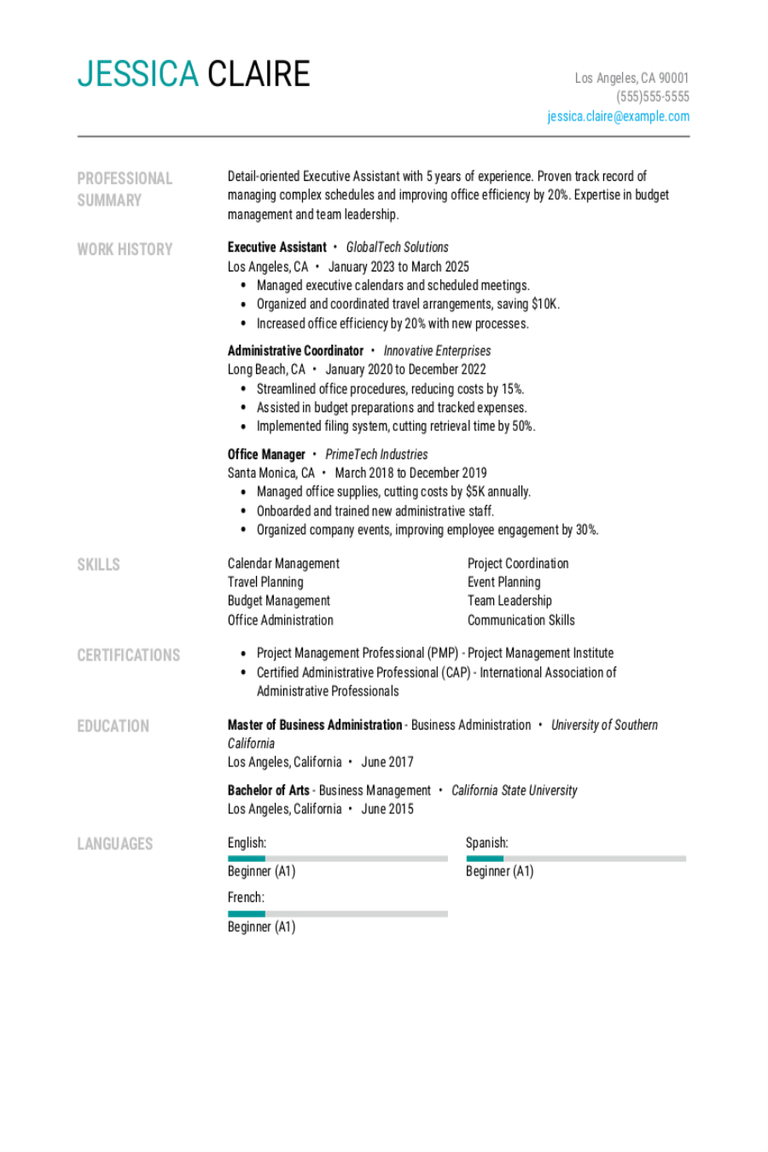
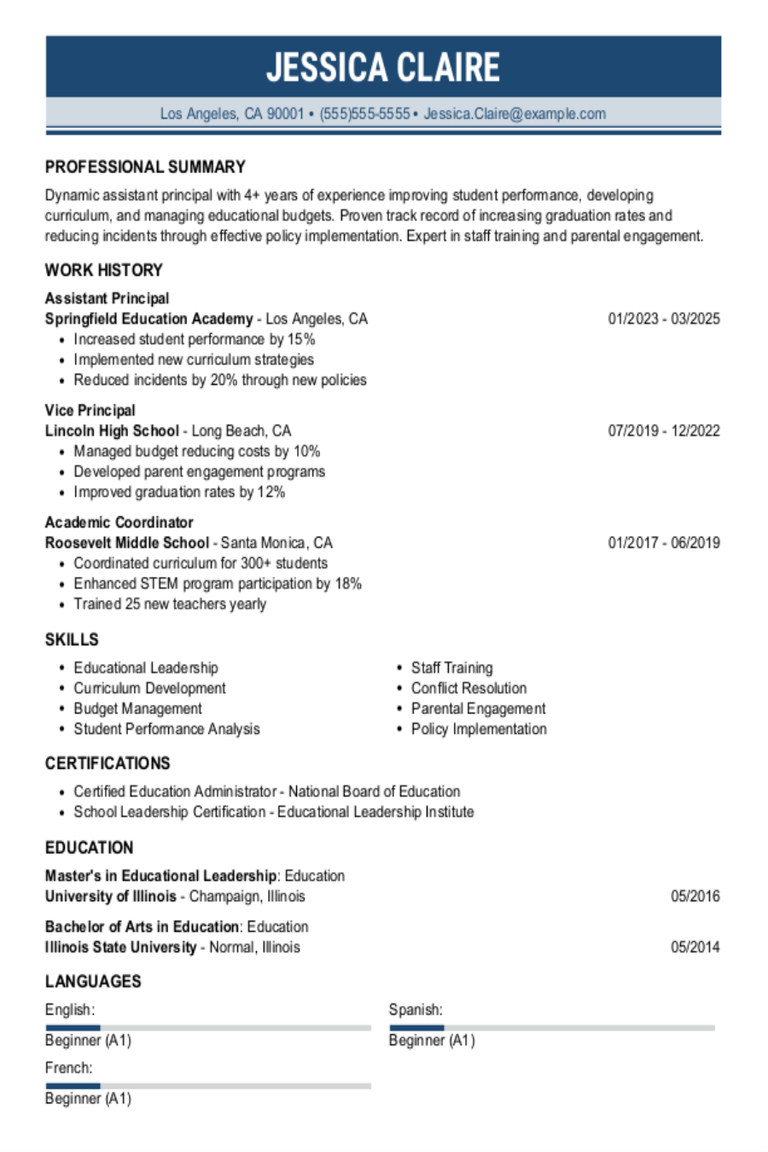
As you prepare your educational assistant resume, remember that it serves to highlight your qualifications in a structured format. This document lays out the “what”—your accomplishments, skills, and previous roles within educational settings.
It’s designed to showcase your experience in a clear manner that allows hiring managers to quickly assess your capabilities and suitability for the position.
In contrast, your cover letter represents the “why” and “how.” It conveys your passion for education, explains how your experiences align with the specific role you’re applying for, and expresses why you’re interested in working at this particular school or institution.
Understanding the difference between a cover letter and a resume helps you leverage both documents, using each to present a well-rounded picture of who you are as an educational assistant and making a stronger case for your candidacy.
Should I include a cover letter even if it’s not required?
Absolutely! Including a cover letter, even when it’s not required, shows your commitment and enthusiasm for the role of an educational assistant.
This extra effort is particularly appreciated in education, where hiring managers look for job seekers who can communicate well and connect with students and staff alike. A resume provides the basics, but a well-crafted cover letter lets you showcase your personality and passion for fostering learning environments.
Consider this scenario: two equally qualified educational assistants apply for the same job. One submits a thoughtful cover letter that highlights their dedication to student success, while the other does not. In situations like this, it’s clear which job seeker stands out more.
When discussing whether cover letters are necessary, remember that they can be your secret weapon in making a memorable impression. So when in doubt about including one, go ahead—the potential benefits far outweigh any risks involved.
What does a professional cover letter look like?
A well-crafted cover letter for educational assistant applications should be visually appealing and straightforward. Begin with a standard business letter format that includes your contact information at the top, followed by the date and details of the employer.
Use professional fonts like Arial or Times New Roman in sizes 11-12 to maintain readability. Make sure your document is organized and easy to scan, as hiring managers will appreciate a clean layout that allows them to quickly gather essential information.
In terms of structure, include a clear header, a personalized greeting, and three to four focused paragraphs in the body. Finish with a professional closing that includes your signature. It’s best to incorporate ample white space throughout your cover letter to improve readability for busy hiring managers who may skim through numerous applications.
For more guidance on creating an effective application, refer to our resource on what a cover letter should look like to ensure you leave a positive impression.
Can ChatGPT write a cover letter?
While it’s convenient to use ChatGPT to write a cover letter, this approach has its limitations. These tools can assist with brainstorming and organizing your thoughts, but they often generate content that feels impersonal and lacks depth. The result is usually generic text that doesn’t truly reflect your unique qualities or experiences as an educational assistant.
Hiring managers in education can quickly identify AI-generated letters because they often miss the essential elements of genuine passion and specific insights into the role. A successful cover letter should showcase your commitment to student success and highlight relevant experiences that set you apart.
Instead of relying solely on AI, use it as a launchpad to gather your ideas, then infuse your personal touch by incorporating real-life examples and your educational philosophy. Your authentic voice will resonate far more than any automated response could achieve.


Marla is a professional resume writer. She is committed to helping job seekers navigate the job market and succeed in their careers.
More Articles by Marla FigueroaShare this page
 Add MyPerfectResume as a preferred source on Google
Add