Table of Contents
Get started with MyPerfectResume today!
- Build a resume on any device
- Pick an ATS-friendly template
- Tailor with AI copy suggestions
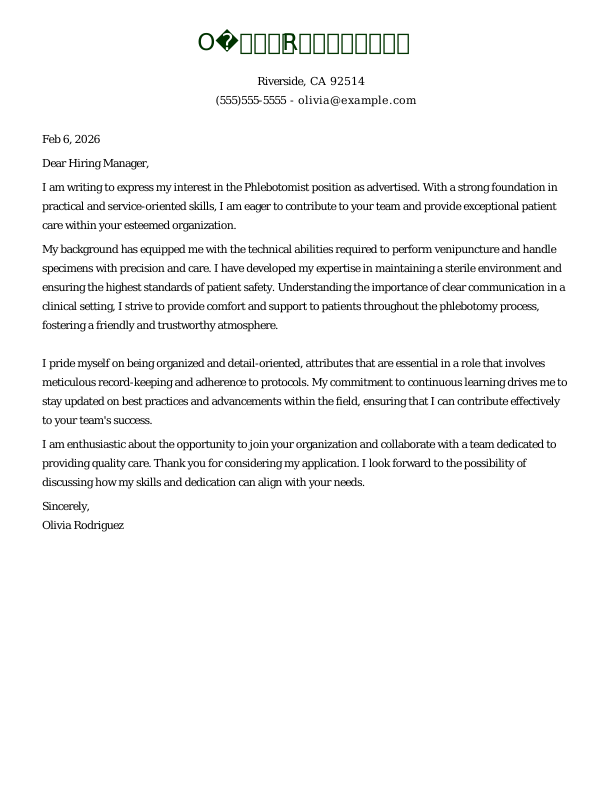
Why this cover letter works
- This cover letter details technical skills in blood collection, specific achievements in patient care, and the ability to work under pressure while maintaining patient comfort and safety. These elements demonstrate what to include in a cover letter that captures the attention of hiring managers in the healthcare field.
More Phlebotomist Cover Letter Examples
Curious about crafting a standout cover letter as a phlebotomist? Explore our collection of diverse cover letter examples, which range from recent graduates eager to showcase their training to experienced professionals highlighting their skills in patient care.
Entry-Level Phlebotomist Cover Letter

Why this cover letter works
- A well-crafted cover letter header like the one above is key for making an applicant’s name the focal point, ensuring that hiring managers remember who they are reading about. In a competitive job market, this clear visibility helps applications stand out and reduces the chances of getting overlooked among numerous job seekers.
Experienced Phlebotomist Cover Letter

Why this cover letter works
- A cover letter outline helped this job seeker highlight clinical achievements and relevant certifications, clearly demonstrating their phlebotomy skills and experience. This structured approach ensures that potential employers can easily see how well-suited they are for the role.
Phlebotomist Cover Letter Template (Text Version)
You can easily tailor this phlebotomist cover letter to fit your unique experience and qualifications. Below, you’ll find a text version ready for copying, and be sure to explore our diverse collection of cover letter templates for more job-specific benefits that can improve your application.
Olivia Rodriguez
Riverside, CA 92514
(555)555-5555
olivia@example.com
Feb 6, 2026
Dear Hiring Manager,
I am writing to express my interest in the Phlebotomist position as advertised. With a strong foundation in practical and service-oriented skills, I am eager to contribute to your team and provide exceptional patient care within your esteemed organization.
My background has equipped me with the technical abilities required to perform venipuncture and handle specimens with precision and care. I have developed my expertise in maintaining a sterile environment and ensuring the highest standards of patient safety. Understanding the importance of clear communication in a clinical setting, I strive to provide comfort and support to patients throughout the phlebotomy process, fostering a friendly and trustworthy atmosphere.
I pride myself on being organized and detail-oriented, attributes that are essential in a role that involves meticulous record-keeping and adherence to protocols. My commitment to continuous learning drives me to stay updated on best practices and advancements within the field, ensuring that I can contribute effectively to your team’s success.
I am enthusiastic about the opportunity to join your organization and collaborate with a team dedicated to providing quality care. Thank you for considering my application. I look forward to the possibility of discussing how my skills and dedication can align with your needs.
Sincerely,
Olivia Rodriguez
Related Cover Letter Examples
How to Write a Phlebotomist Cover Letter
Are you ready to create a standout cover letter for your phlebotomist application? Our expert guidance on how to write a cover letter will help you highlight your attention to detail, compassionate patient interaction, and technical skills that make you an ideal applicant.
Address your cover letter properly
When applying for a phlebotomist position, always aim to address your cover letter to a specific individual if possible. Take the time to explore the job posting, visit the company’s website, or search on LinkedIn to find the hiring manager’s name. This personal touch not only shows initiative but also sets your application apart from others that may use generic greetings.
If you cannot locate a specific name, consider how to address a cover letter in an effective manner. Avoid using “To Whom It May Concern,” which feels impersonal and outdated. Instead, opt for alternatives like “Dear Hiring Manager” or include department-specific titles such as “Dear Laboratory Team.” These options demonstrate that you have a clear understanding of where you’re applying.
Personalized greetings matter significantly as they provide an opportunity to showcase qualities essential in phlebotomy, such as attention to detail and professionalism. A thoughtful greeting can create a strong first impression and highlight your commitment to patient care right from the beginning.
Grab attention with your opening paragraph
Your opening must catch the hiring manager’s eye right away. They go through countless applications, so knowing how to start your cover letter is key. Begin with your top qualification or an exciting reason why you’re passionate about this role rather than rehashing your resume.
Consider what makes you stand out as a phlebotomist. Maybe it’s your ability to put patients at ease during blood draws, your certification in advanced phlebotomy techniques, or your experience working in high-pressure environments like emergency rooms.
Highlight these strengths and relate them directly to what the employer values most. This connection shows that you understand their needs and can contribute positively from day one.
Example of a strong opener
As a dedicated phlebotomist with over three years of experience in high-volume clinical settings, I pride myself on my ability to perform accurate blood draws and maintain a patient-centered approach. My commitment to reducing procedure wait times by 20% has improved patient satisfaction significantly. I’m eager to contribute my skills and passion for quality care to the dynamic team at Community Health Clinic, ensuring every patient feels valued and supported.
Struggling to find the right words for your cover letter? Our Cover Letter Generator quickly crafts personalized openings that highlight your phlebotomy skills and experiences in minutes.
Include skills from the job ad
When applying for phlebotomist positions, avoid using a generic cover letter that fails to capture your unique qualifications. Instead, make sure to read the job posting carefully and identify the specific skills and attributes the employer is seeking. This level of attention shows that you’re detail-oriented and helps ensure your application passes through automated screening systems.
In your cover letter, focus on two to three key skills mentioned in the job description and support each one with concrete examples from your experience as a phlebotomist. This targeted approach not only highlights your qualifications but also demonstrates to employers that you’re genuinely interested in their specific role and can contribute effectively to their team.
Top skills to list on your cover letter
- Patient identification and verification
- Venipuncture techniques
- Specimen collection and handling
- Laboratory safety protocols
- Attention to detail in documentation
- Communication with healthcare teams
- Compassionate patient interaction
- Adherence to hygiene standards
- Time management during high-volume periods
- Quality assurance practices
- Understanding of anatomy and physiology
- Crisis intervention skills
- Data entry accuracy for lab results
- Patient comfort measures during procedures
- Regulatory compliance knowledge
- Adaptability in a fast-paced environment
Maximize your time by using a cover letter template from Google Docs or a Microsoft Word cover letter. These templates offer excellent formatting, allowing you to concentrate on personalizing your application for each phlebotomist position.
Show your impact with numbers
In the world of phlebotomy, numbers speak louder than words. Rather than stating you’re a “skilled phlebotomist,” highlight your achievements with specific metrics.
For instance, mentioning that you’ve successfully drawn blood from over 1,000 patients with a 98% satisfaction rate illustrates your skill and care. In contrast, simply listing duties like “performing venipunctures” does little to distinguish you from other job seekers. Concrete examples show hiring managers your real impact on patient experiences.
Employers in healthcare seek evidence of results, and measurable accomplishments provide just that. Demonstrating how you reduced patient wait times by an average of 15 minutes or increased lab turnaround efficiency by 20% showcases your ability to excel rather than just meet basic job functions. These quantifiable results make a compelling case for why you would be a valuable addition to their team.
Bullet points to include in your cover letter
- Achieved a 95% accuracy rate in specimen collection across 12 months in a busy outpatient setting
- Increased patient throughput by 20% through streamlined check-in processes and efficient sample handling
- Trained 15 new phlebotomists, ensuring 100% compliance with safety protocols within the first six months
- Implemented a tracking system that reduced lost specimens by 40% over one year
- Maintained an exemplary record with zero reported incidents of contamination during my tenure
Selecting the right cover letter format is important for phlebotomist job seekers, as different layouts can showcase your quantifiable achievements in a more compelling way, and the best choice often varies based on your level of experience in the field.
Leave a lasting impression
Your closing paragraph should showcase your enthusiasm for the phlebotomist position and encourage the hiring manager to take action. When considering how to end a cover letter, be direct about your interest while maintaining professionalism.
Thank the hiring manager for their time, express your excitement about the opportunity, and convey your desire to discuss how your skills can improve their team’s effectiveness. This approach helps leave a positive impression and shows that you’re eager to contribute to their organization.
Example of cover letter closing
Thank you for reviewing my application for the phlebotomist position at HealthFirst Laboratory. I am eager to bring my skills in patient care and blood collection techniques to your team. I believe my attention to detail and commitment to safety can improve the quality of service at HealthFirst. I would appreciate the opportunity to discuss how my background can support the growth and success of your lab. I look forward to your response and hope to speak with you soon.
Tailor your cover letter for specific situations
As a phlebotomist job seeker with a non-traditional background, it’s essential to directly address your unique situation in any application materials. Acknowledge your career path briefly and then focus on how your experiences make you an excellent fit for this role. Here are a few examples:
- If you’re transitioning from another field, showcase your transferable skills. For example, if you’ve worked in customer service, highlight how those communication skills will improve patient interactions, or if you have experience in logistics, mention how that aids in maintaining inventory for supplies.
- For returning phlebotomists, emphasize the steps you’ve taken to stay current. This could include pursuing continuing education courses or volunteering at local clinics. Share your renewed dedication to delivering quality care and supporting patients.
- New graduates should focus on their clinical training and relevant coursework. Mention any internships or volunteer work related to healthcare to illustrate your commitment and hands-on experience.
Salary Insights for Phlebotomists
Phlebotomists earn varying salaries across the United States. The table below highlights the states where phlebotomists command the highest compensation.
Our salary information comes from the U.S. Bureau of Labor Statistics’ Occupational Employment and Wage Statistics survey. This official government data provides the most comprehensive and reliable salary information for phlebotomists across all 50 states and the District of Columbia. The figures presented here reflect the May 2025 dataset, which is the most recent available as of this publication.
| State | Average Salary |
|---|---|
| California | $55,360 |
| Washington | $50,910 |
| New York | $50,860 |
| Massachusetts | $50,660 |
| Maryland | $49,590 |
| District of Columbia | $49,410 |
| Alaska | $49,720 |
| Rhode Island | $48,820 |
| Oregon | $48,620 |
| North Dakota | $48,330 |
FAQ
How long should a phlebotomist’s cover letter be?
A phlebotomist’s cover letter should be one page long, typically containing three to four paragraphs. This format allows you to highlight your relevant skills and experiences while ensuring that hiring managers are not overwhelmed with information.
Understanding how long a cover letter should be is essential for crafting an effective application. Being concise and focused helps make a strong impression since recruiters often spend only a few seconds reviewing each submission. Aim to communicate your qualifications clearly and compellingly to capture their attention right away.
What’s the difference between a cover letter and a resume?
When applying for a phlebotomist position, your phlebotomist resume neatly organizes key information about your clinical experiences, certifications, and educational background.
It serves as the “what” of your application—detailing what you have achieved, the skills you possess, and the roles you have held in the healthcare field. This structured format allows hiring managers to quickly assess your qualifications at a glance.
In contrast, your cover letter conveys the “why” and “how.” It expresses your passion for phlebotomy, explains how your experiences align with the specific role, and conveys why you’re excited about working at this healthcare facility.
Recognizing the cover letter vs resume distinction helps you leverage both documents effectively—your resume showcases accomplishments while your cover letter narrates your journey and commitment to patient care.
Should I include a cover letter even if it’s not required?
Absolutely! Submitting a cover letter, even when it’s not required, demonstrates initiative and dedication, qualities that are highly prized in the phlebotomy field. Hiring managers want to understand your interpersonal skills and commitment to patient care, which can often be overlooked in a resume alone.
A well-crafted cover letter gives you the chance to showcase your personality and how you connect with patients, setting you apart from other applicants.
Consider this: if two equally qualified phlebotomists apply for the same job but only one includes a thoughtful cover letter detailing their enthusiasm for patient interaction and team collaboration, who do you think is more likely to get called for an interview?
When wondering whether cover letters are necessary, remember that including one could tip the scales in your favor. So when you’re unsure about submitting a cover letter, think of it as a low-risk opportunity to stand out—you have everything to gain by showing your dedication.
What does a professional cover letter look like?
A phlebotomist’s cover letter should be clean, organized, and easy to scan quickly. Use a standard business letter format that includes your contact information at the top, followed by the date and employer’s details.
It’s best to use a professional font like Arial or Times New Roman in 11-12 point size to ensure readability. Keep margins standard and maintain single spacing between lines for a neat appearance.
Your layout should feature a clear header and a personalized greeting (steer clear of generic salutations like “To Whom It May Concern”). The body should consist of three to four concise paragraphs followed by a professional closing with your signature.
Ample white space is important as it makes the document easier to read, which busy hiring managers will appreciate. For more insights into what a cover letter should look like, refer to resources that offer visual examples and formatting tips to ensure your application appears polished and professional.
Can ChatGPT write a cover letter?
While you can use ChatGPT to write a cover letter for a phlebotomist position, it might not be the best choice. AI tools can assist with brainstorming ideas and overcoming writer’s block, but they often create content that feels generic and lacks personality. This is particularly important in healthcare roles where personal connection matters.
Hiring managers in the phlebotomy field are skilled at recognizing AI-generated letters. These letters typically miss the mark because they lack specific insights and genuine passion for patient care. Instead of relying solely on AI, consider using it as a starting point to outline your thoughts.
Then, enrich your cover letter with real-life experiences and knowledge relevant to phlebotomy. Your unique voice and hands-on expertise will always resonate more with employers than anything produced by artificial intelligence.
Rate this article
Phlebotomist


Marla is a professional resume writer. She is committed to helping job seekers navigate the job market and succeed in their careers.
More Articles by Marla FigueroaShare this page
 Add MyPerfectResume as a preferred source on Google
Add