Table of Contents
Get started with MyPerfectResume today!
- Build a resume on any device
- Pick an ATS-friendly template
- Tailor with AI copy suggestions
Why this cover letter works
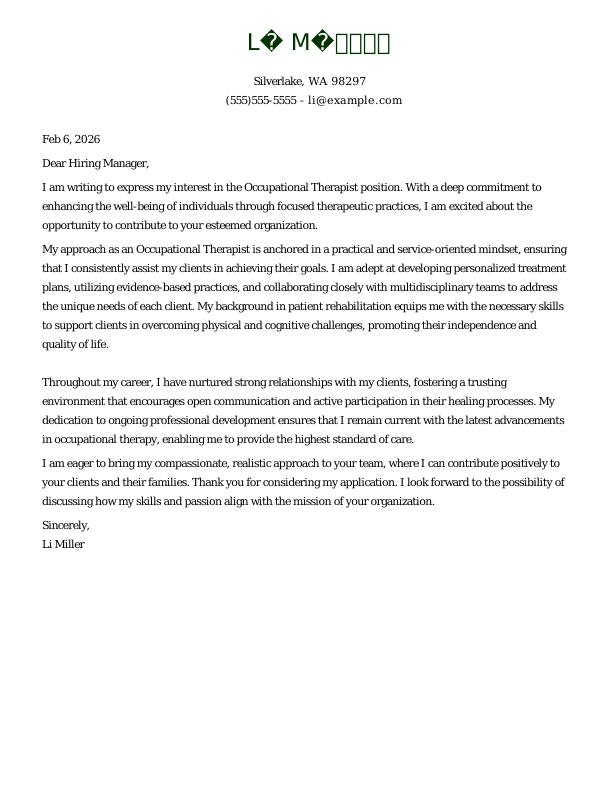
- The cover letter above highlights hands-on experience in rehabilitation settings, specific patient success stories, and relevant certifications. This showcases what to include in a cover letter that aligns with the values and goals of potential employers in the healthcare field.
More Occupational Therapist Cover Letter Examples
Discover how aspiring occupational therapists present their skills and experiences in unique ways. Our collection of cover letter examples offers inspiration and guidance for crafting your own standout application.
Entry-Level Occupational Therapist Cover Letter

Why this cover letter works
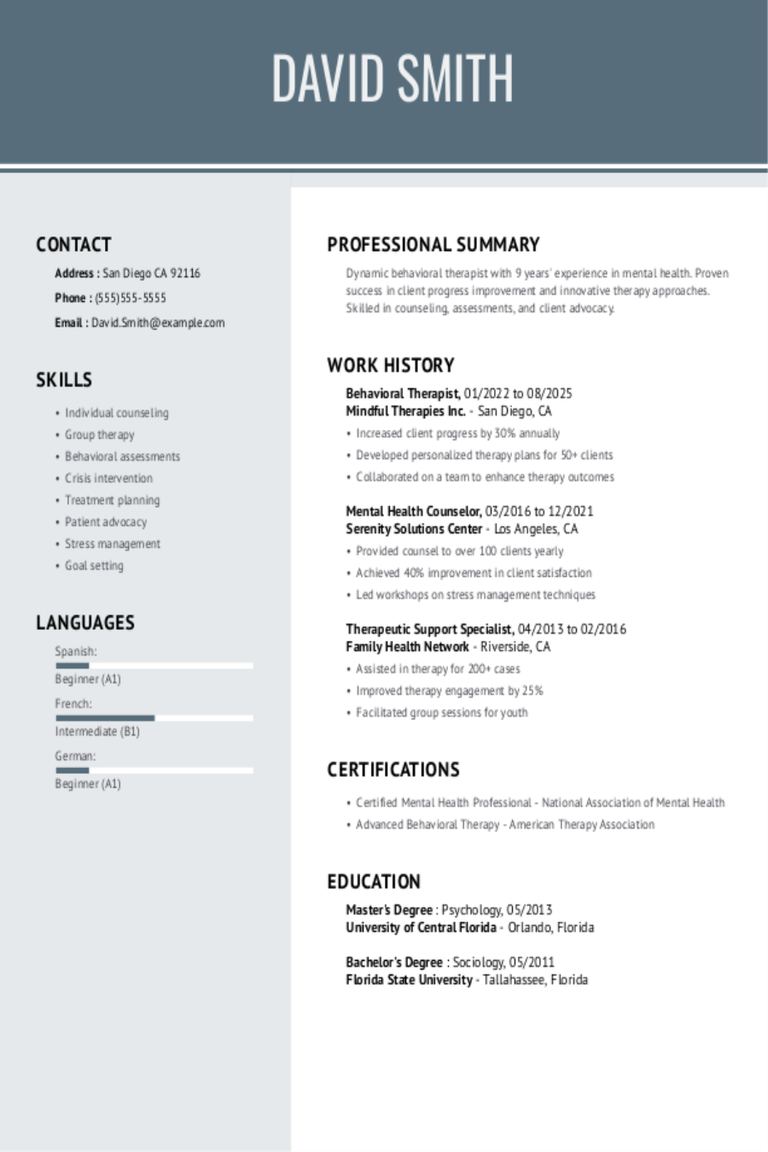
- A strong cover letter header like the one above is important for occupational therapist applications because it contains essential contact information. Designing it in a professional manner that aligns with the resume ensures consistency and improves the applicant’s overall presentation to potential employers.
Experienced Occupational Therapist Cover Letter

Why this cover letter works
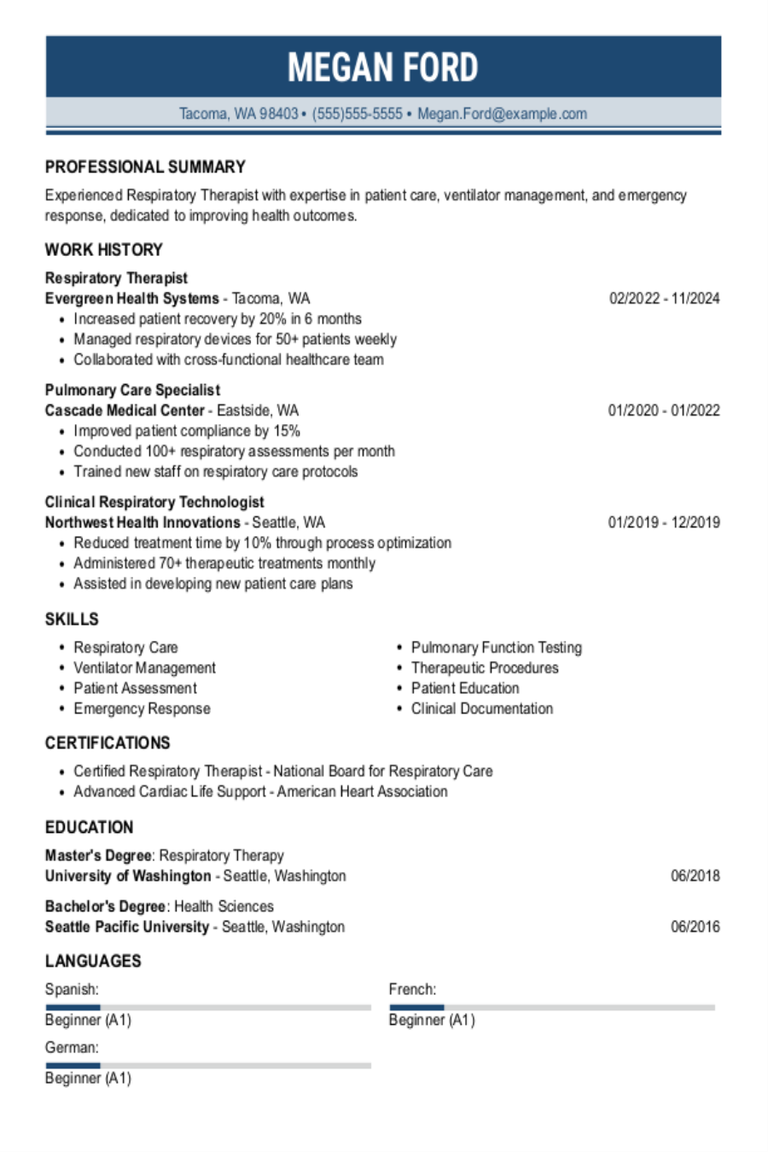
- A cover letter outline highlights the occupational therapist’s significant achievements, diverse clinical experiences, and relevant certifications, presenting a well-structured narrative that showcases their qualifications in a clear and engaging manner.
Occupational Therapist Cover Letter Template (Text Version)
You can easily personalize this occupational therapist cover letter to suit your unique style and qualifications. Below, you’ll find a text version ready for copying, and we invite you to explore our collection of cover letter templates to discover the perfect fit for your career needs.
Li Miller
Silverlake, WA 98297
(555)555-5555
li@example.com
Feb 6, 2026
Dear Hiring Manager,
I am writing to express my interest in the Occupational Therapist position. With a deep commitment to enhancing the well-being of individuals through focused therapeutic practices, I am excited about the opportunity to contribute to your esteemed organization.
My approach as an Occupational Therapist is anchored in a practical and service-oriented mindset, ensuring that I consistently assist my clients in achieving their goals. I am adept at developing personalized treatment plans, utilizing evidence-based practices, and collaborating closely with multidisciplinary teams to address the unique needs of each client. My background in patient rehabilitation equips me with the necessary skills to support clients in overcoming physical and cognitive challenges, promoting their independence and quality of life.
Throughout my career, I have nurtured strong relationships with my clients, fostering a trusting environment that encourages open communication and active participation in their healing processes. My dedication to ongoing professional development ensures that I remain current with the latest advancements in occupational therapy, enabling me to provide the highest standard of care.
I am eager to bring my compassionate, realistic approach to your team, where I can contribute positively to your clients and their families. Thank you for considering my application. I look forward to the possibility of discussing how my skills and passion align with the mission of your organization.
Sincerely,
Li Miller
Related Cover Letter Examples
How to Write an Occupational Therapist Cover Letter
Discover how to write a cover letter that highlights your expertise in rehabilitation techniques and dedication to improving patient independence. Our professional tips will guide you in presenting these essential qualities, helping you stand out in your job search.
Address your cover letter properly
To make your occupational therapist cover letter stand out, start by addressing it to a specific person whenever possible. Research the job posting, visit the company website, or use LinkedIn to locate the hiring manager’s name. This effort demonstrates your commitment and helps create a connection that generic greetings simply cannot achieve.
If you find yourself asking how to address a cover letter without a specific name, opt for alternatives that still convey professionalism. Avoid using “To Whom It May Concern” as it feels impersonal. Instead, consider addressing your letter to “Dear Hiring Manager” or incorporating department-specific titles like “Dear Rehabilitation Team.”
Personalized greetings are important because they reflect attention to detail and genuine interest—qualities highly valued in occupational therapy. This thoughtful approach sets a positive tone for your application and may resonate well with hiring managers seeking dedicated professionals who care about their patients’ well-being.
Grab attention with your opening paragraph
When you’re applying for an occupational therapist position, capturing the hiring manager’s attention right away is important since they go through numerous applications. Knowing how to start your cover letter means leading with your top qualification or a specific reason that shows your enthusiasm for this role, rather than simply summarizing your resume.
Think about what makes you stand out as an occupational therapist. Maybe it’s your experience in pediatric therapy, your success in helping clients regain independence after injury, or your knowledge of adaptive technologies. Highlight these unique strengths and tie them directly to what the employer values most.
Example of a strong opener
As an occupational therapist with over six years of experience in pediatric rehabilitation, I have successfully improved patient mobility by 30% through tailored therapy programs. I am eager to join the dedicated team at Bright Futures Clinic, where my expertise in sensory integration and collaborative approach can improve therapeutic outcomes for children. Together, we can make a significant difference in their lives.
Looking to make your cover letter stand out? Our Cover Letter Generator creates tailored openings based on your unique occupational therapist background, helping you craft the perfect introduction in minutes.
Include skills from the job ad
When applying for occupational therapist positions, avoid using a generic cover letter that could apply to any role. Instead, take the time to carefully read the job posting and understand the specific skills and qualifications they are looking for.
This level of attention shows employers that you’re detail-oriented and helps ensure your application gets past automated screening systems designed to filter out less focused submissions.
In your cover letter, make sure to highlight two to three key skills from the job description. Back each skill up with concrete examples from your experience as an occupational therapist.
This targeted approach not only showcases your qualifications but also illustrates why you’re a perfect fit for this particular role and work environment.
Top skills to list on your cover letter
- Patient evaluation and treatment planning
- Therapeutic exercise implementation
- Assistive technology assessment
- Client-centered communication skills
- Activity of daily living (ADL) training
- Cognitive rehabilitation strategies
- Group therapy facilitation
- Goal setting and progress tracking
- Home modification recommendations
- Interdisciplinary team collaboration
- Crisis intervention techniques
- Empathetic patient support
- Cultural competence in therapy
- Functional mobility training
- Community resource navigation
- Behavioral management approaches
Save time by using a cover letter template from Google Docs or a Microsoft Word cover letter, both of which offer excellent formatting capabilities. This allows you to concentrate on personalizing your application for each occupational therapist position.
Show your impact with numbers
In occupational therapy, numbers speak louder than words. Instead of saying you’re a “compassionate therapist,” back it up with metrics that highlight your effectiveness.
For example, mention that you increased patient recovery rates by 20% over six months or improved functional independence scores for 15 clients within a year. These quantifiable achievements set you apart from applicants who merely list responsibilities without demonstrating their impact.
Measurable accomplishments confirm your ability to deliver results, which is what employers crave. They illustrate that you’re not just fulfilling basic duties but excelling and driving positive change in your patients’ lives.
Highlighting these statistics shows hiring managers you’re capable of translating your skills into tangible outcomes, making you a compelling choice for their team.
Bullet points to include in your cover letter
- Improved patient mobility outcomes by 40% within six months through customized therapeutic interventions
- Increased client engagement in therapy sessions by 30% by introducing interactive treatment approaches
- Collaborated with a multidisciplinary team to reduce therapy wait times by 50%, improving service delivery
- Trained and supervised five occupational therapy interns, achieving a 100% pass rate on their board exams
- Secured funding for adaptive equipment, resulting in a 20% boost in patient participation in community activities
Choosing the right cover letter format is important for occupational therapist job seekers, as certain layouts can better highlight your quantifiable achievements and metrics. The most suitable choice often depends on your level of experience in the field.
Leave a lasting impression
The closing of your cover letter should reinforce your enthusiasm for the occupational therapist position and encourage the hiring manager to take action. When you think about how to end a cover letter, focus on being direct about your interest while maintaining a professional tone.
Thank the hiring manager for considering your application, express your excitement about the possibility of joining their team, and indicate your desire to discuss how your skills can benefit their organization. This approach leaves a strong impression and shows you’re eager to contribute meaningfully.
Example of cover letter closing
Thank you for considering my application for the occupational therapist position at Thrive Rehabilitation Center. I am eager to bring my skills in patient assessment and therapeutic interventions to your dedicated team. I believe my commitment to improving patient outcomes can significantly contribute to the center’s mission of promoting health and wellness. I look forward to the opportunity to discuss how my experience aligns with your goals and hope to hear from you soon.
Tailor your cover letter for specific situations
Navigating a career in occupational therapy with a non-traditional background can be daunting, but addressing your unique journey is key. Emphasize how your experiences contribute to your qualifications.
Here are a few examples:
- For those changing careers, highlight transferable skills that apply to occupational therapy. For instance, if you have a background in education, your ability to adapt teaching methods can improve patient engagement and rehabilitation strategies.
- If you’re returning to the field, share how you’ve maintained your knowledge through online courses or volunteering at local clinics. Expressing your renewed passion for helping others can resonate strongly with hiring managers.
- New graduates should focus on internships and relevant coursework during their education. Additionally, any experience in related fields like physical therapy assisting or working in healthcare settings showcases your commitment and readiness for the role.
Salary Insights for Occupational Therapists
Occupational therapists earn varying salaries across the United States. The table below highlights the states where occupational therapists command the highest compensation.
Our salary information comes from the U.S. Bureau of Labor Statistics’ Occupational Employment and Wage Statistics survey. This official government data provides the most comprehensive and reliable salary information for occupational therapists across all 50 states and the District of Columbia. The figures presented here reflect the May 2025 dataset, which is the most recent available as of this publication.
| State | Average Salary |
|---|---|
| California | $117,120 |
| Nevada | $110,320 |
| Oregon | $108,430 |
| New Jersey | $107,600 |
| District of Columbia | $107,690 |
| Washington | $105,160 |
| Texas | $103,150 |
| Oklahoma | $102,140 |
| New Mexico | $102,560 |
| Connecticut | $101,120 |
FAQ
How long should an occupational therapist’s cover letter be?
Cover letters for occupational therapist positions should be one page long, typically consisting of three to four paragraphs. This length allows you to showcase your relevant experience and skills without overwhelming hiring managers with too much information.
Understanding how long a cover letter should be is essential for making an impact. Being concise and focused increases your chances of standing out, as recruiters often have limited time to review applications. Aim to communicate your qualifications clearly without unnecessary details, ensuring your key points shine through.
What’s the difference between a cover letter and a resume?
While your occupational therapist resume provides a clear and structured overview of your clinical experience, certifications, and educational background, your cover letter brings those qualifications to life.
Think of the resume as the “what”—detailing what you have accomplished, the skills you possess, and the positions you have held throughout your career in occupational therapy.
In contrast, the cover letter serves as the “why” and “how.” It conveys enthusiasm for helping patients achieve their goals and highlights how unique experiences align with the needs of this specific role at the healthcare facility.
By understanding the cover letter vs resume distinction, you can leverage each document to present a well-rounded application that emphasizes both qualifications and passion for occupational therapy.
Should I include a cover letter even if it’s not required?
Absolutely! Including a cover letter in your occupational therapist application can truly set you apart. Even when it’s not required, it demonstrates your commitment to the role and showcases important qualities like empathy and communication skills that are essential in therapy.
Hiring managers are often looking for insights into your passion for patient care and how you approach therapeutic challenges—elements that a resume alone can’t convey.
Consider this scenario: two equally qualified occupational therapists apply for the same position, but only one submits a cover letter detailing their dedication to improving clients’ lives. When considering whether cover letters are necessary, think about who stands out more to the hiring team.
The job seeker who provides that personal touch is likely to earn an interview opportunity. So when in doubt, go ahead and include it—you have nothing to lose and a chance to make a memorable impression on potential employers.
What does a professional cover letter look like?
When applying for an occupational therapist position, your cover letter should present a professional image that is clean, organized, and easy for hiring managers to scan.
Use a standard business format that starts with your contact information at the top, followed by the date and details of the employer. It’s best to choose a readable font like Arial or Times New Roman in 11-12 point size, ensuring standard margins are maintained throughout. This creates a polished look that reflects your professionalism.
Your cover letter layout should include a clear header, a personalized greeting (skip generic salutations), three to four concise paragraphs in the body, and a respectful closing with your signature. Prioritize white space so that it doesn’t feel cluttered—busy hiring managers appreciate documents that are straightforward to read.
For more guidance on what a cover letter should look like, refer to our comprehensive resource, which can help you create an effective application.
Can ChatGPT write a cover letter?
While you can use ChatGPT to write a cover letter, it may not be the best route for occupational therapists. AI tools can help in generating ideas and overcoming creative blocks, but they often create content that feels impersonal and lacks depth. The result is frequently generic writing that fails to capture the unique qualities that make you a great fit for the role.
Hiring managers in occupational therapy are skilled at identifying letters crafted by AI because these letters typically lack personal insights, genuine enthusiasm, and specific knowledge about patient care. Professionals in this field bring these elements with them naturally.
Instead of relying solely on AI-generated content, use it as a foundation to spark your creativity. Personalize every detail with your own experiences and passion for helping patients so your authentic voice will always resonate more powerfully than anything produced by an algorithm.
Rate this article
Occupational Therapist


Marla is a professional resume writer. She is committed to helping job seekers navigate the job market and succeed in their careers.
More Articles by Marla FigueroaShare this page
 Add MyPerfectResume as a preferred source on Google
Add