Table of Contents
Get started with MyPerfectResume today!
- Build a resume on any device
- Pick an ATS-friendly template
- Tailor with AI copy suggestions
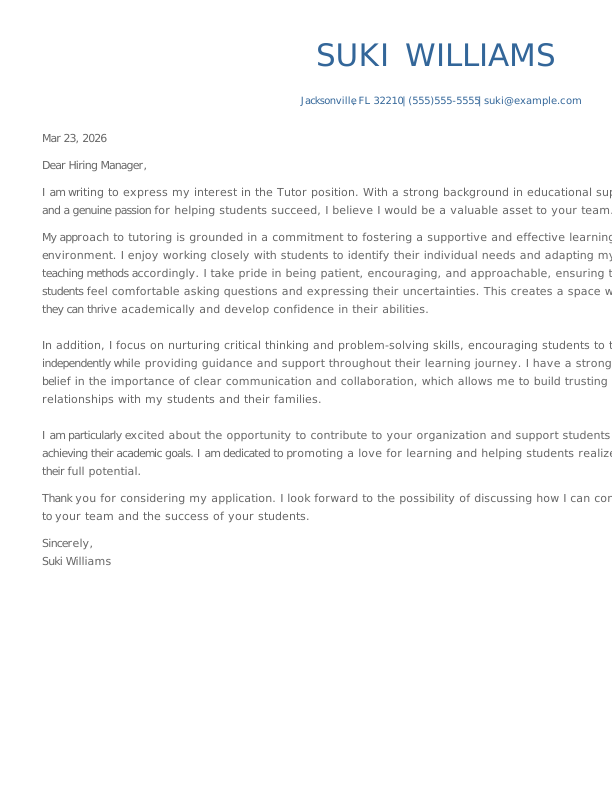
Why this cover letter works
- This cover letter emphasizes the applicant’s teaching experience, relevant educational qualifications, and a passion for fostering learning and adapting to diverse student needs. When considering what to include in a cover letter, showcasing enthusiasm for the tutoring program’s mission can make a strong impression on hiring managers.
More Tutor Cover Letter Examples
Discover a range of inspiring cover letter examples tailored for tutors, whether you’re starting your teaching journey or showcasing unique skills as an experienced educator. Explore these resources to elevate your application and make a strong impression in the competitive job market.
Entry-Level Tutor Cover Letter
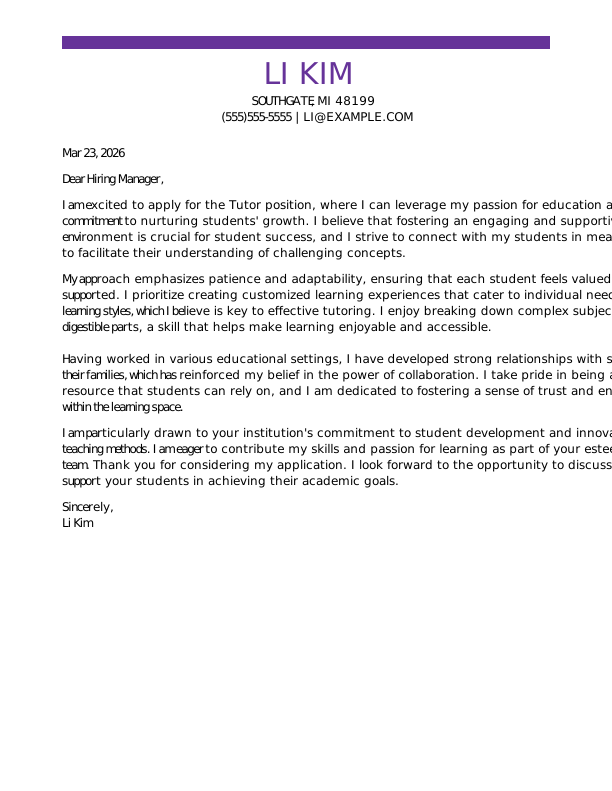
Why this cover letter works
- A cover letter header like the one above is essential for tutor applications as it clearly presents the applicant’s contact information in a professional format. The header should be neatly organized and visually consistent with the resume, creating a cohesive, polished impression for potential employers.
Experienced Tutor Cover Letter

Why this cover letter works
- A cover letter outline enabled this tutor to connect their diverse experiences in fostering student growth and understanding with their future aspirations in educational support, illustrating how past achievements can guide students toward academic success.
Tutor Cover Letter Template (Text Version)
Eager to personalize your tutor cover letter? Here’s a text version you can easily copy, and be sure to explore our diverse collection of cover letter templates that can help you craft the perfect application tailored to your tutoring expertise.
Suki Williams
Jacksonville, FL 32210
(555)555-5555
suki@example.com
Mar 23, 2026
Dear Hiring Manager,
I am writing to express my interest in the Tutor position. With a strong background in educational support and a genuine passion for helping students succeed, I believe I would be a valuable asset to your team.
My approach to tutoring is grounded in a commitment to fostering a supportive and effective learning environment. I enjoy working closely with students to identify their individual needs and adapting my teaching methods accordingly. I take pride in being patient, encouraging, and approachable, ensuring that students feel comfortable asking questions and expressing their uncertainties. This creates a space where they can thrive academically and develop confidence in their abilities.
In addition, I focus on nurturing critical thinking and problem-solving skills, encouraging students to think independently while providing guidance and support throughout their learning journey. I have a strong belief in the importance of clear communication and collaboration, which allows me to build trusting relationships with my students and their families.
I am particularly excited about the opportunity to contribute to your organization and support students in achieving their academic goals. I am dedicated to promoting a love for learning and helping students realize their full potential.
Thank you for considering my application. I look forward to the possibility of discussing how I can contribute to your team and the success of your students.
Sincerely,
Suki Williams
Related Cover Letter Examples
How to Write a Tutor Cover Letter
Are you ready to make your teaching application stand out? Our detailed guidance on how to write a cover letter will help you highlight your ability to inspire students, communicate well, and foster a positive learning environment. With these tips, you’ll showcase your dedication and passion for education quickly.
Address your cover letter properly
When applying for tutor positions, always try to address your cover letter to a specific person if possible. Look for the hiring manager’s name in the job posting, tutoring center website, or LinkedIn profile.
This personal touch shows that you’ve researched and adds a level of professionalism that generic greetings lack.
If you’re unsure how to address a cover letter because you can’t find a specific name, avoid the old-fashioned “To Whom It May Concern.” Instead, use alternatives like “Dear Hiring Manager” or more specific options such as “Dear [Department Name] Team.” For example, if you’re applying for an online math tutor position, consider “Dear Math Tutoring Team” to reflect your understanding of the role.
Personalized greetings are significant because they showcase your attention to detail and genuine interest in the position. A well-thought-out salutation can help convey qualities like dedication and commitment that are highly valued in tutoring roles. It’s your chance to make a positive impression right from the start.
Grab attention with your opening paragraph
To grab the hiring manager’s attention quickly, you need to know how to start your cover letter with a strong opening. Since they review many applications, your first sentence should showcase your best qualities instead of repeating what’s in your resume. This is your chance to stand out and make an impression that lasts.
Think about what sets you apart as a tutor. Perhaps you have experience helping students achieve high scores on standardized tests or a knack for making complex subjects easier to understand. Identify those strengths and relate them directly to what the school or organization needs. By connecting your unique skills to their goals, you’ll show them why you’re the right fit for the position.
Example of a strong opener
With over three years of tutoring experience in mathematics and a passion for fostering student success, I have helped my students improve their grades by an average of 20%. I am eager to contribute my skills in personalized instruction and problem-solving to the dedicated team at your learning center. My commitment to creating engaging lessons aligns perfectly with your mission to inspire academic excellence.
Struggling to find the right words for your cover letter? Our Cover Letter Generator helps you quickly create personalized introductions that highlight your tutoring experience, allowing you to make a strong impression in minutes.
Include skills from the job ad
Avoid submitting a generic cover letter when applying for tutor positions. Take the time to carefully analyze the job posting and reflect on the specific skills and qualifications they are looking for. This attention to detail shows that you’re a serious job seeker who understands their needs, which can help your application get through automated screening systems.
In your cover letter, focus on two to three key skills mentioned in the job description. Support each skill with concrete examples from your tutoring experience that illustrate how you have effectively applied these skills. This targeted approach will not only highlight your qualifications but also demonstrate that you’re an ideal match for this particular tutoring role and learning environment.
Top skills to list on your cover letter
- Subject matter expertise in curriculum design
- One-on-one student mentoring techniques
- Assessment and progress tracking
- Effective communication and feedback delivery
- Classroom management strategies
- Adaptability to diverse learning styles
- Instructional technology skill
- Critical thinking facilitation skills
- Collaborative lesson planning with educators
- Cultural competency in education settings
- Conflict resolution and mediation skills
- Time management for lesson preparation
- Motivational techniques for student engagement
- Parent-teacher communication skills
- Workshop facilitation and training delivery
- Data analysis for academic performance improvement
Boost your efficiency with a cover letter template from Google Docs or a Microsoft Word cover letter, as these templates ensure neat formatting so you can concentrate on tailoring your content for each tutoring position.
Show your impact with numbers
In tutoring, numbers speak louder than words. Instead of saying you’re a “passionate tutor,” provide concrete examples of your impact, such as helping students improve their grades by an average of 30% or increasing confidence levels in math assessments by 25%.
These metrics distinguish you from job seekers who only describe their roles and responsibilities, demonstrating that you actively contribute to student success.
Measurable accomplishments showcase your ability to deliver results, which is what employers are looking for. They reveal that you excel in your position rather than just fulfilling basic tutoring functions. By highlighting specific achievements, you not only convey your commitment but also illustrate a proven history of improving student performance and engagement in learning.
Bullet points to include in your cover letter
- Improved student test scores by 20% over one academic year through personalized tutoring sessions
- Tutored an average of 15 students weekly, achieving a 95% satisfaction rate in feedback surveys
- Developed tailored study plans that increased homework completion rates by 30% within six months
- Led a group tutoring program that helped 10 struggling students raise their grades to passing levels
- Organized monthly progress reviews, resulting in a 40% boost in student engagement and motivation
Selecting the right cover letter format is essential for tutors, as different layouts can highlight your quantifiable achievements in a way that aligns with your experience level in the field and makes your application stand out.
Leave a lasting impression
Your closing should convey enthusiasm and motivate the hiring manager to take action. When considering how to end a cover letter, focus on being direct about your interest while maintaining a professional tone. Thank them for considering your application, reiterate your excitement for the opportunity, and express your eagerness to discuss how your tutoring skills can contribute positively to their team. This approach leaves a lasting impression and encourages the hiring manager to reach out for further conversation.
Example of cover letter closing
Thank you for considering my application for the tutor position at Bright Futures Academy. I am thrilled about the possibility of joining your team and sharing my passion for education and student development. With my background in personalized learning strategies, I am confident I can help students reach their full potential. I would love to discuss how my experience can support your mission of fostering academic success. I look forward to the opportunity to connect soon.
Tailor your cover letter for specific situations
When applying for tutoring positions, it’s essential to directly address your unique background. Acknowledge any changes in your career path and emphasize how these experiences enrich your potential as an educator. Here are a few examples:
- If you’re changing careers, highlight transferable skills from previous jobs. For instance, if you have a background in marketing, discuss how your communication skills can improve student engagement and understanding.
- Returning tutors should mention any professional development they’ve pursued during their time away. This could include online courses or volunteer teaching, showcasing both your current knowledge and dedication to helping students succeed.
- New graduates should focus on relevant classroom experiences and internships. Highlight any tutoring roles during college or related volunteer work that demonstrate your passion for education and ability to connect with learners.
By clearly articulating these points, you can present yourself as a strong applicant who is ready to make a positive impact in the classroom.
Salary Insights for Tutors
Tutors earn varying salaries across the United States. The table below highlights the states where tutors command the highest compensation.
Our salary information comes from the U.S. Bureau of Labor Statistics’ Occupational Employment and Wage Statistics survey. This official government data provides the most comprehensive and reliable salary information for tutors across all 50 states and the District of Columbia. The figures presented here reflect the May 2025 dataset, which is the most recent available as of this publication.
| State | Average Salary |
|---|---|
| Wyoming | $68,690 |
| Rhode Island | $65,580 |
| New York | $60,120 |
| Massachusetts | $60,940 |
| Connecticut | $60,060 |
| Virginia | $55,330 |
| Mississippi | $54,640 |
| Maine | $54,770 |
| Vermont | $53,870 |
| Maryland | $53,010 |
FAQ
How long should a tutor’s cover letter be?
Cover letters should be one page long, typically consisting of three to four paragraphs. This length allows you to present your most relevant experiences and skills without overwhelming hiring managers. A concise cover letter can make a significant impact, showcasing your qualifications clearly.
Understanding how long a cover letter should be is essential for job applicants. Being concise and focused is important since recruiters spend limited time reviewing each application. Aim to get straight to the point while still highlighting what makes you a strong job seeker for the tutoring position.
What’s the difference between a cover letter and a resume?
In a tutor’s resume, you will find a clear presentation of your teaching experience, qualifications, and skills laid out in an organized manner. This structured format highlights your professional history and expertise.
In contrast, your cover letter paints the broader picture of who you are as an educator. It addresses the “what”—your accomplishments and roles—while inviting readers to connect with your journey.
The cover letter serves as the “why” and “how.” It reveals your passion for tutoring, explains how your background makes you an ideal fit for this specific position, and expresses your enthusiasm for working at that particular educational institution.
Understanding cover letters versus resumes allows you to leverage both documents and showcase different facets of your tutoring career to create a compelling application package.
Should I include a cover letter even if it’s not required?
Absolutely! Submitting a cover letter, even when it’s optional, signals your dedication and willingness to go the extra mile, which is highly valued in tutoring.
Hiring managers want to see not only your qualifications but also your ability to connect with students and communicate well. A resume may outline your skills, but a cover letter can showcase your passion for education and individualized learning.
Now, picture this: two equally qualified tutors apply for the same position, yet only one includes a thoughtful cover letter detailing their personalized approach to teaching. In conversations about whether cover letters are necessary, it becomes apparent that the applicant who took that extra step could stand out in the selection process.
When in doubt, include a cover letter—you have everything to gain by highlighting what makes you unique as an educator.
What does a professional cover letter look like?
A professional tutor’s cover letter should appear clean, organized, and easy to scan at a glance. You should use a standard business letter format that includes your contact information at the top, followed by the date and the employer’s details.
Select a professional font like Arial or Times New Roman in 11-12 point size while maintaining standard margins and single spacing between lines for clarity.
The layout should feature a clear header, a personalized greeting (avoid using “To Whom It May Concern”), three to four concise paragraphs in the body, and a formal closing with your signature. Emphasizing white space is important for readability since busy hiring managers often review many applications quickly.
For additional guidance on what a cover letter should look like, refer to our resource that provides examples and formatting tips to ensure your application stands out as polished and professional.
Can ChatGPT write a cover letter?
While you can use ChatGPT to write a cover letter, it might lack the personal touch needed to stand out. AI tools help overcome writer’s block and organize your ideas, but they often create generic, bland content that doesn’t capture who you really are as a tutor.
Hiring managers in tutoring look for letters that show genuine enthusiasm and specific examples of how you help students learn and grow. AI-generated letters usually miss these important details and feel hollow.
It’s best to treat AI as a starting point—use it to gather your thoughts, then add your own real experiences and passion for teaching. Your authentic voice will always make a stronger impression than anything an AI can produce.
Rate this article
Tutor


Toni is a Certified Professional Resume Writer (CPRW) and member of the Professional Association of Resume Writers & Career Coaches. She is committed to helping job seekers navigate the job market and succeed in their careers.
More Articles by Toni Frana, CPRWShare this page
 Add MyPerfectResume as a preferred source on Google
Add