Table of Contents
Get started with MyPerfectResume today!
- Build a resume on any device
- Pick an ATS-friendly template
- Tailor with AI copy suggestions
Why this resume works
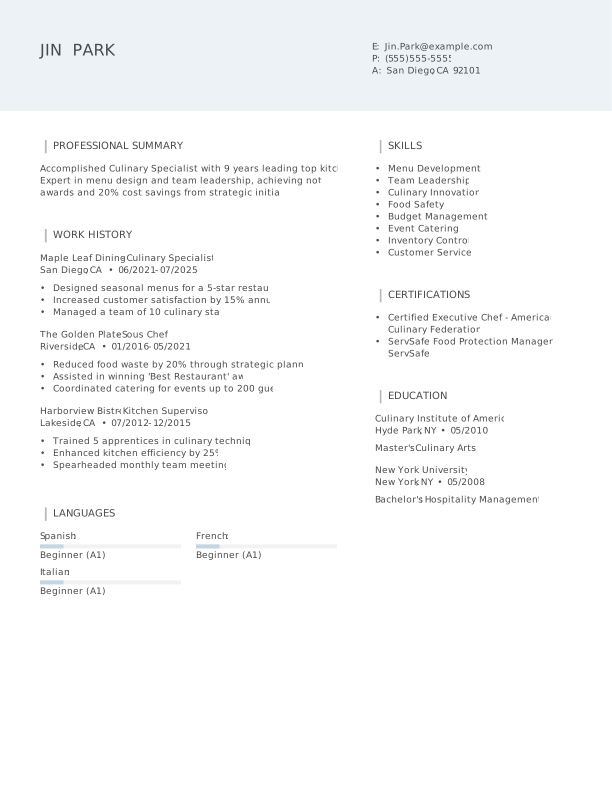
- Quantifies accomplishments: By referencing measurable accomplishments, like a 15% annual customer satisfaction increase and $20,000 in savings, the applicant highlights their impact and value.
- Showcases career progression: Transitioning from kitchen supervisor to culinary specialist highlights a steady climb in responsibility, reflecting growth from leading small teams to managing staff and designing menus for top restaurants.
- Uses action-oriented language: Strong action verbs like “designed,” “reduced,” and “spearheaded” emphasize initiative and effectiveness.
More Culinary Resume Examples
Kitchen type, covers, and brigade position can quickly establish the context behind culinary experience. Compare how the examples below present those details.
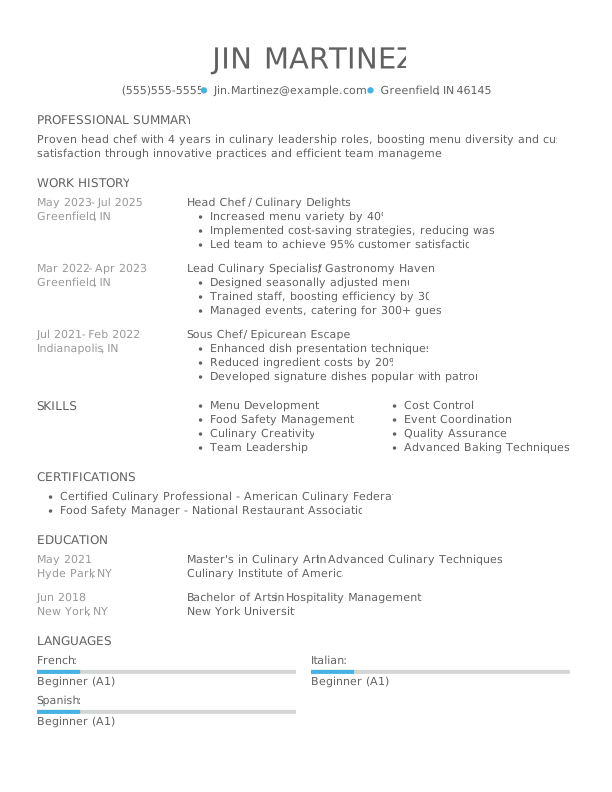
Entry-Level Culinary Resume
Why this resume works
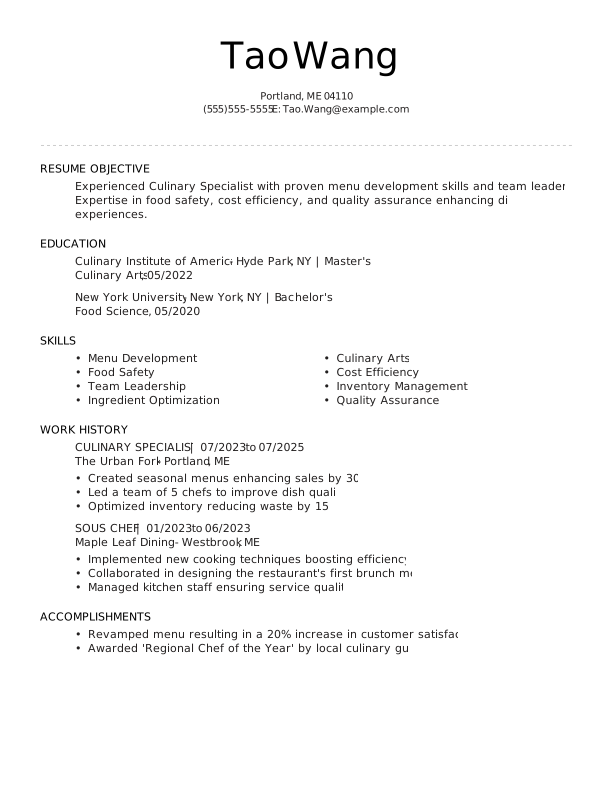
- Effective use of keywords: Incorporating keywords like “menu development” and “cost efficiency” showcases an understanding of industry expectations.
- Centers on academic background: Highlighting academic excellence, including a master’s from the Culinary Institute of America, demonstrates a solid educational foundation, important during early career stages.
- Shows digital literacy: Employing digital tools for inventory management shows the applicant’s digital readiness, aligning with essential computer skills in today’s culinary environments.
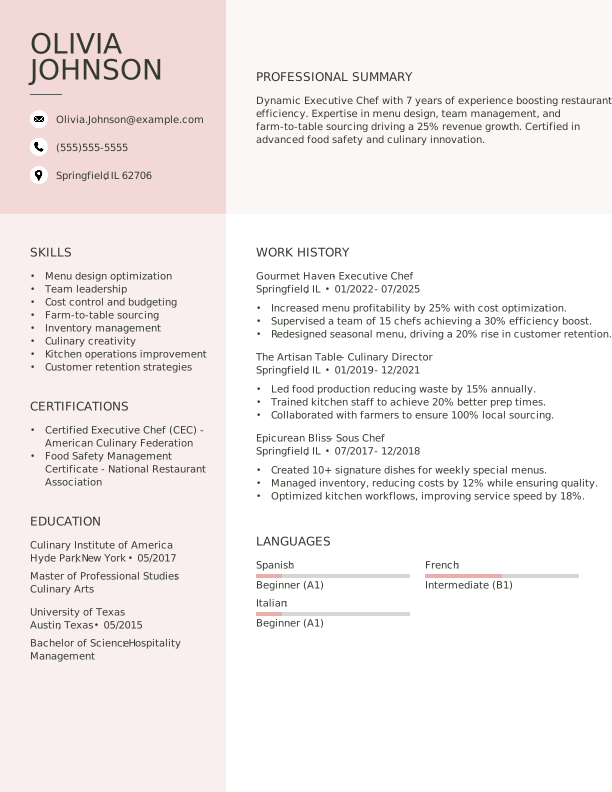
Mid-Level Culinary Resume
Why this resume works
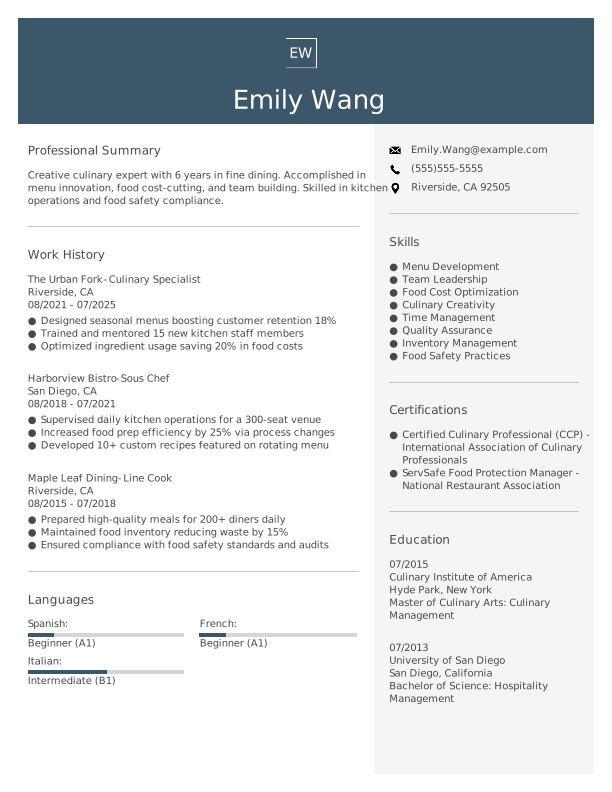
- Points to measurable outcomes: By integrating quantifiable achievements like an 18% boost in customer retention and a 20% reduction in food costs, the applicant showcases their impact on business performance.
- Includes a mix of soft and hard skills: The applicant skillfully mixes technical expertise in menu development with interpersonal skills through mentoring, reflecting a balanced approach to team leadership and innovation.
- Demonstrates language abilities: Possessing language skills in Spanish, French, and Italian enables the applicant to engage effectively in cross-cultural culinary environments.
Experienced Culinary Resume
Why this resume works
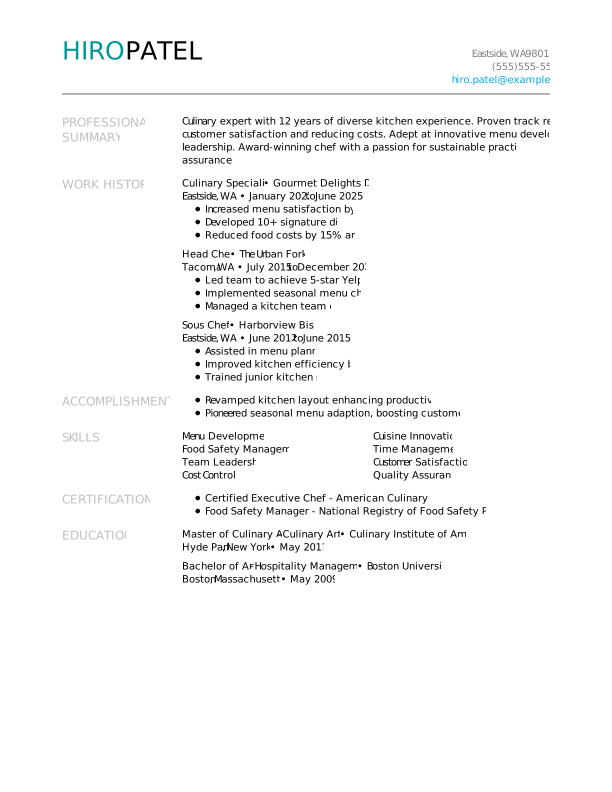
- Lists relevant certifications: Showcasing certifications like Certified Executive Chef and Food Safety Manager, the applicant demonstrates a commitment to culinary excellence and ongoing professional development.
- Emphasizes leadership skills: Managing teams of up to 15 chefs and achieving a 5-star Yelp rating at The Urban Fork showcases strong leadership skills and effective team management.
- Sections are well-organized: The organized use of bullet points and clear headers creates a resume that’s easy for readers to scan, making the applicant’s achievements stand out effectively.
Explore Even More Culinary Resumes
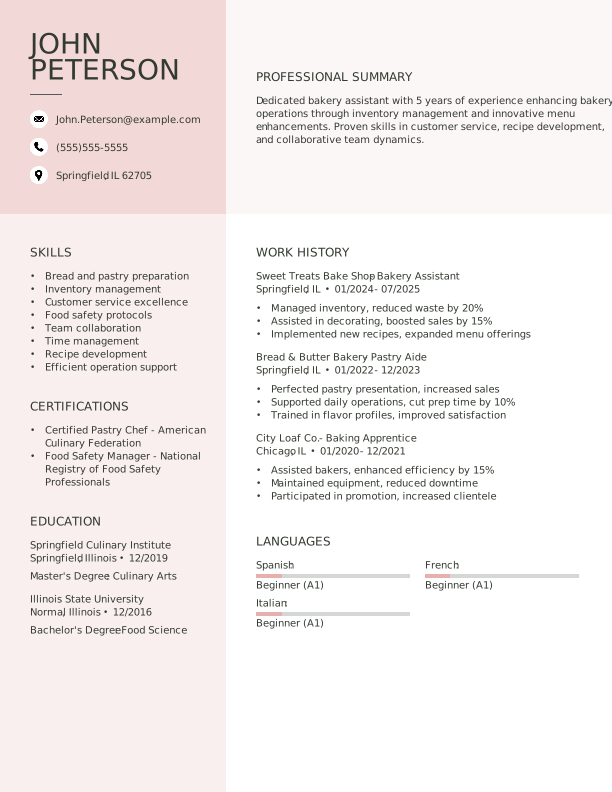
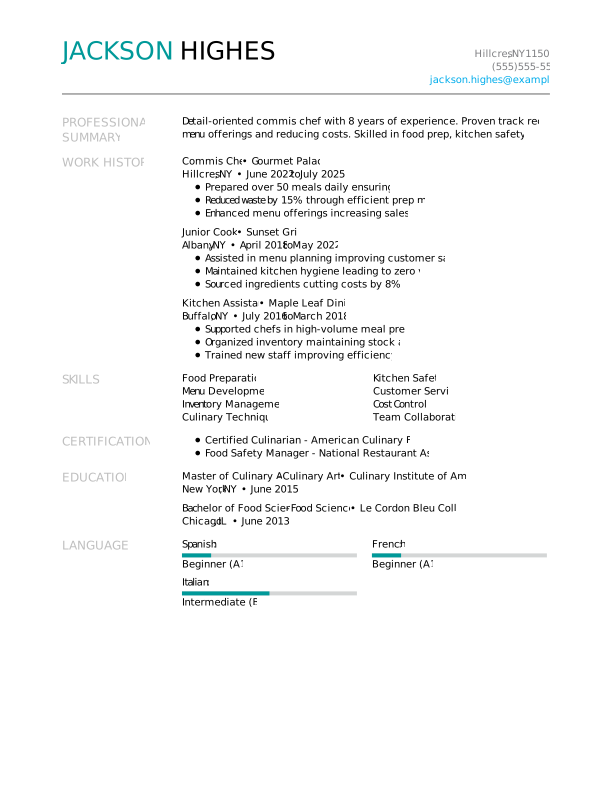
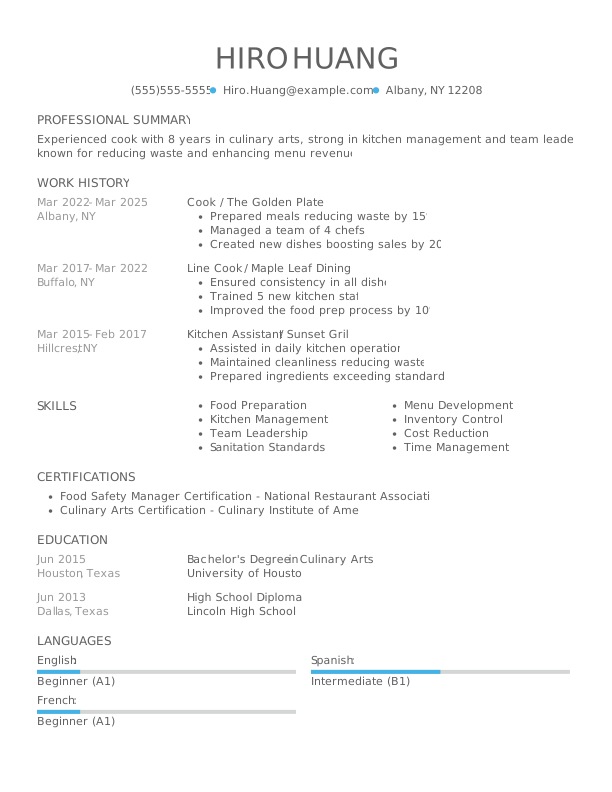
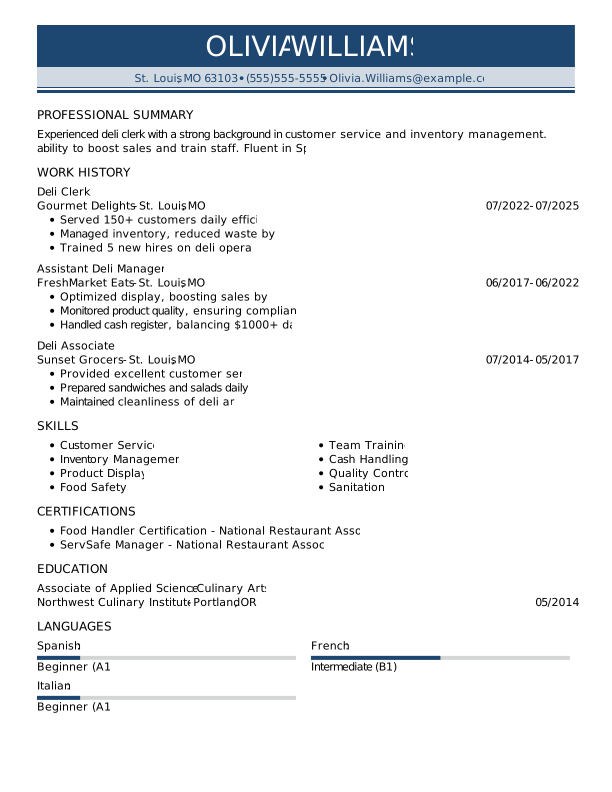

Culinary Resume Template (Text Version)
Need a quick start? Copy the format below, or explore our resume templates for a wider range.
Jin Park
San Diego, CA 92101
(555)555-5555
Jin.Park@example.com
Professional Summary
Accomplished Culinary Specialist with 9 years leading top kitchens. Expert in menu design and team leadership, achieving notable awards and 20% cost savings from strategic initiatives.
Work History
Culinary Specialist
Maple Leaf Dining – San Diego, CA
June 2021 – July 2025
- Designed seasonal menus for a 5-star restaurant
- Increased customer satisfaction by 15% annually
- Managed a team of 10 culinary staff
Sous Chef
The Golden Plate – Riverside, CA
January 2016 – May 2021
- Reduced food waste by 20% through strategic planning
- Assisted in winning ‘Best Restaurant’ award
- Coordinated catering for events up to 200 guests
Kitchen Supervisor
Harborview Bistro – Lakeside, CA
July 2012 – December 2015
- Trained 5 apprentices in culinary techniques
- Enhanced kitchen efficiency by 25%
- Spearheaded monthly team meetings
Languages
- Spanish – Beginner (A1)
- French – Beginner (A1)
- Italian – Beginner (A1)
Skills
- Menu Development
- Team Leadership
- Culinary Innovation
- Food Safety
- Budget Management
- Event Catering
- Inventory Control
- Customer Service
Certifications
- Certified Executive Chef – American Culinary Federation
- ServSafe Food Protection Manager – ServSafe
Education
Master’s Culinary Arts
Culinary Institute of America Hyde Park, NY
May 2010
Bachelor’s Hospitality Management
New York University New York, NY
May 2008
Browse Resume Examples by Industry
- Aviation
- Banking
- Billing And Collections
- Biology
- Boating
- Business Operations
- Casino
- Chemistry
- Child Care
- Civil Engineering
- Compliance
- Computer Hardware
- Computer Software
- Construction
- Copywriting
- Cosmetology
- Costco
- Customer Service
- Dance
- Data Systems Administration
- Deloitte
- Dentistry
- Driving
- Education
- Electrical
- Electrical Engineering
- Energy
- Engineering
- Entertainment
- Entrepreneur
- Entry Level
- Environmental
- Environmental Science
- Event Planning
- Executive
- Fashion
- Film
- Finance
- Fitness & Nutrition
- Food Service
- Freelancing
- General Laborer
- Goldman Sachs
- Government
- Graphic Design
- Healthcare Support
- Hospitality
- Human Resources
- HVAC
- Industrial Engineering
- Information Technology
- Insurance
- Interior Design
- Inventory Management
- Janitorial
- Landscaping
- Language Services
- Law
- Law Enforcement
- Library
- Logistics
- Maintenance
- Marketing
- McKinsey
- Mechanical Engineering
- Mechanics
- Media And Communication
- Medical
- Mental Health
- Meta
- Metal Work
- Military
- Mining
- Museum
- Music
- Netflix
- Non Profit
- Nursing
- Pharmaceutical
- Photography
- Physical Therapy
- Plumbing
- Politics
- Production
- Program Manager
- Project Manager
- Psychology
- Purchasing
- Quality Control
- Real Estate
- Religion
- Retail
- Safety And Security
- Sales
- Sciences
- Shipping
- Social Services
- Special Education
- Sports
- Statistics
- Student
- Teaching
- Team Lead
- Tesla
- Training And Development
- Transportation
- Travel
- Veterinary
- Walgreens
- Walmart
- Web Development
Advice for Writing Your Culinary Resume
Culinary work can range from prep and line cooking to pastry, specialty cuisine, and kitchen leadership. Get tips on presenting culinary experience on a resume while bringing your cooking skills and kitchen background forward.

Write a Strong Professional Summary
A professional summary on a resume serves as an introduction to hiring managers. It helps them quickly grasp who you are and what you bring to the table. You need to choose between a summary and a resume objective, depending on your experience and career stage.
A professional summary is a brief paragraph (three to four sentences) highlighting your experience, skills, and achievements. It’s ideal for experienced applicants who want to showcase their professional identity and value right away.
On the other hand, resume objectives are statements about your career goals. They’re ideal for entry-level applicants, career changers, or those with gaps in employment. While summaries focus on “what I’ve accomplished,” objectives emphasize “what I aim to contribute.”
Next, we’ll provide examples of both summaries and objectives tailored for different industries and experience levels to guide you in creating a strong first impression. See our library of resume examples for more ideas and inspiration.
Culinary Resume Summary Examples
Entry-level
Recent culinary arts graduate with a diploma from an accredited culinary school, specializing in foundational cooking techniques and kitchen safety. Completed internships in fast-paced kitchens, gaining experience in food preparation, menu planning, and maintaining cleanliness standards. Holds a ServSafe certification and eager to contribute creativity and passion for food in an entry-level cook position.
Mid-career
Accomplished chef with over seven years of hands-on experience in high-volume restaurants and catering services. Expert in crafting innovative menus, optimizing food costs, and leading kitchen teams to deliver exceptional dining experiences. Recognized for expertise in Italian and Mediterranean cuisine as well as excellent organizational skills that improve kitchen efficiency.
Experienced
Seasoned executive chef with more than 15 years of leadership in fine dining establishments. Specializes in French cuisine with advanced skills in pastry arts and wine pairing. Proven track record of elevating restaurant reputations through creative menu development and staff training programs. Deeply committed to sustainability practices and reducing food waste while maximizing flavor impact.
Culinary Resume Objective Examples
Recent culinary graduate
Aspiring chef with a diploma in culinary arts from an accredited institution, eager to apply creative cooking techniques and food presentation skills in a fast-paced kitchen environment. Committed to learning and contributing to the success of an innovative culinary team.
Career changer
Passionate professional transitioning into the culinary field, bringing strong organizational skills and a keen attention to detail gained from previous experience in event management. Excited to mix creativity with culinary training to contribute effectively in a collaborative kitchen setting.
Self-taught enthusiast
Dedicated self-taught cook seeking entry-level opportunities in a dynamic restaurant where enthusiasm for food preparation and experimentation with flavors can be leveraged. Eager to learn from experienced chefs while offering fresh perspectives and assisting in crafting memorable dining experiences.
Use a polished and professional resume format that aligns with your experience level to ensure your skills and qualifications stand out to hiring managers.
Include Relevant Certifications and Training
In the culinary field, listing certifications and training is important because it shows your skills and knowledge. It can make you stand out to employers who are looking for skilled chefs or cooks.
Certifications prove you have learned specific techniques and safety practices that are needed in a kitchen. They can also show you are committed to learning and growing in your career. Here are a few examples:
- ServSafe Food Handler Certification
- Certified Culinarian (CC)
- Certified Pastry Culinarian (CPC)
- Food Safety Manager Certification
- Culinary Arts Diploma
Having these certifications can help you get noticed by employers and increase your chances of success in the culinary world. They show that you have taken extra steps to learn more about cooking, food safety, and kitchen management.
Example of a Certifications Section
Certified Executive Chef (CEC)
Issued by: American Culinary Federation (ACF)
Issued 2021
ServSafe Food Protection Manager Certification
Issued by: National Restaurant Association
Expires 2024
Certified Pastry Culinarian (CPC)
Issued by: American Culinary Federation (ACF)
Issued 2022
Wine & Spirit Education Trust Level 3 Award in Wines
Issued by: Wine & Spirit Education Trust (WSET)
Issued 2023
Food Handler Certificate
Issued by: State of California Department of Public Health
Expires 2025
Use our Resume Builder to create a standout culinary resume quickly. It offers easy-to-use templates that highlight your cooking skills and experience.
Showcase Your Work Experience
Showcasing your work experience on a resume is key to highlighting your expertise and achievements in the culinary field. Employers want to see how your past roles fit their needs, so it’s important to focus on relevant positions.
Organize this section in reverse chronological order, starting with your most recent job. For each role, include the job title, employer name, location, and employment dates. This structure lets hiring managers quickly see your career progression and understand your background.
Use clear, action-oriented language to describe your responsibilities and achievements. Begin each bullet point with strong action verbs like “prepared,” “supervised,” or “created.” Highlight tangible results whenever possible—for example, mention how you streamlined kitchen operations or boosted customer satisfaction through innovative menu planning.
Measurable outcomes like “trained 20 staff members” or “increased food cost efficiency by 15%” show impact and stand out to potential employers. Include key responsibilities that reflect core culinary skills such as meal preparation, inventory management, teamwork in a fast-paced environment, and adherence to food safety standards.
By focusing on these aspects of your experience while showing specific contributions you made at each job, you present yourself as a capable professional ready to bring value to the next opportunity. Always tailor this section to the role you’re applying for by emphasizing skills that match the employer’s requirements.
5 Culinary Work History Bullet Points
- Prepared and plated high-quality dishes for a 150-seat restaurant, increasing customer satisfaction ratings by 25%.
- Trained and supervised a team of 10 kitchen staff, improving workflow efficiency by 15% within six months.
- Developed new seasonal menu items, boosting sales of specialty dishes by 30%.
- Managed inventory and reduced food waste by 18% through improved stock rotation practices.
- Collaborated with local suppliers to source fresh ingredients, cutting costs by 12% while maintaining quality standards.
Choose a polished and well-organized resume template that effectively showcases your skills and qualifications to stand out to hiring managers in your field.
Match Your Resume With the Job Description
Customizing your resume for each culinary job you apply to is essential for standing out to employers and passing applicant tracking systems (ATS).
These systems scan for keywords and phrases from the job posting, so using the right terms can greatly improve your chances of being noticed. An ATS-friendly resume uses keywords from the job description.
For culinary roles, focus on keywords that reflect your expertise and the restaurant’s needs. Look for repeated skills, qualifications, and duties in the posting—these might include phrases like “menu development,” “food plating,” “inventory management,” “food safety compliance,” or “high-volume kitchen operations.”
Incorporate these terms naturally throughout your resume, especially in your skills and work experience sections. For example, if the job description says “Maintain high standards of food presentation,” you might write, “Maintained high standards of food presentation, consistently delivering visually appealing dishes that met restaurant guidelines.”
Tailoring your resume to each culinary position not only helps you get through ATS filters but also shows hiring managers that you understand their requirements and are ready to meet them.
Try our ATS Resume Checker to spot over 30 common resume issues with layout and wording. Get quick tips to boost your score and make your resume stand out.
FAQ
Do I need to include a cover letter with my culinary resume?
Yes, adding a cover letter to your culinary resume can boost your application. A cover letter lets you showcase your passion for the culinary arts and explain why you’re attracted to a specific kitchen, restaurant, or chef’s philosophy.
For instance, if the place is famous for its farm-to-table approach or fusion cuisine, you can share your experience or excitement in those areas.
Think about using tools like our Cover Letter Generator to help craft your letter, making sure it matches well with your resume while reflecting your voice and style.
Also, checking out cover letter examples can provide inspiration and guidance on effectively structuring yours for various job scenarios.
How long should a culinary resume be?
For a culinary professional, a one-page resume is usually enough to show off key skills and experiences like cooking techniques, kitchen management, and any specific cuisine expertise. Focus on highlighting relevant roles and achievements, such as notable dishes or successful events you’ve been part of.
If you have extensive experience or specialized training, a two-page resume might be suitable. Just make sure every detail counts—emphasizing leadership in the kitchen or unique culinary projects that set you apart.
Check out our guide on how long a resume should be for examples and tips to determine the ideal length based on your career stage.
How do you write a culinary resume with no experience?
To craft a culinary resume when you have no experience, focus on showcasing the skills and education that make you an attractive applicant to employers in the food industry. Check out a useful resume with no experience guide for more tips.
- Emphasize relevant coursework: If you’ve studied culinary arts, list your coursework and any special projects. Include details about techniques you’ve learned or cuisines you’ve explored.
- Highlight transferable skills: Mention skills like time management, attention to detail, or teamwork from any previous work experience or volunteer activities that are valuable in a kitchen setting.
- Include personal cooking experiences: Describe any personal cooking projects or events you’ve worked on, such as organizing dinners for friends or family or creating a food blog.
- Showcase enthusiasm for learning: List workshops, online courses, or cookbooks you’ve studied that show your commitment to developing your culinary skills.
Check out our guide on writing a resume with no experience for additional tips and examples to help you craft a standout, entry-level culinary resume.
Rate this article
Culinary


Elizabeth is a Certified Professional Resume Writer (CPRW) and a member of the Professional Association of Resume Writers & Career Coaches. She is committed to helping job seekers navigate the job market and succeed in their careers.
More Articles by Elizabeth Muenzen, CPRWShare this page
 Add MyPerfectResume as a preferred source on Google
Add