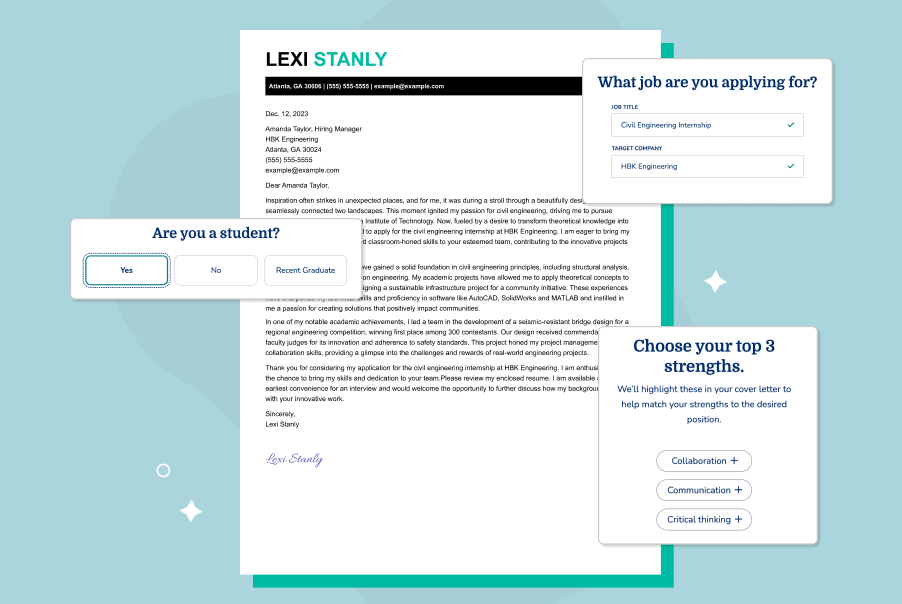
Cover Letter Examples for Any Job or Industry
Browse the best cover letter examples for any job, industry, or career level. Easily customize and download our professional samples and get hired faster.


Search Cover Letter Samples by Industry & Role
Industries
Popular cover letter examples
 Teacher
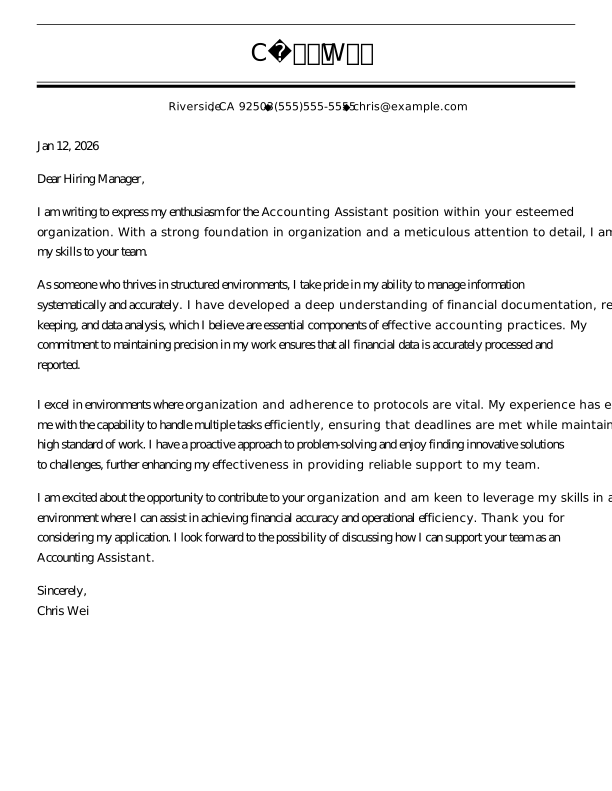
 Accounting
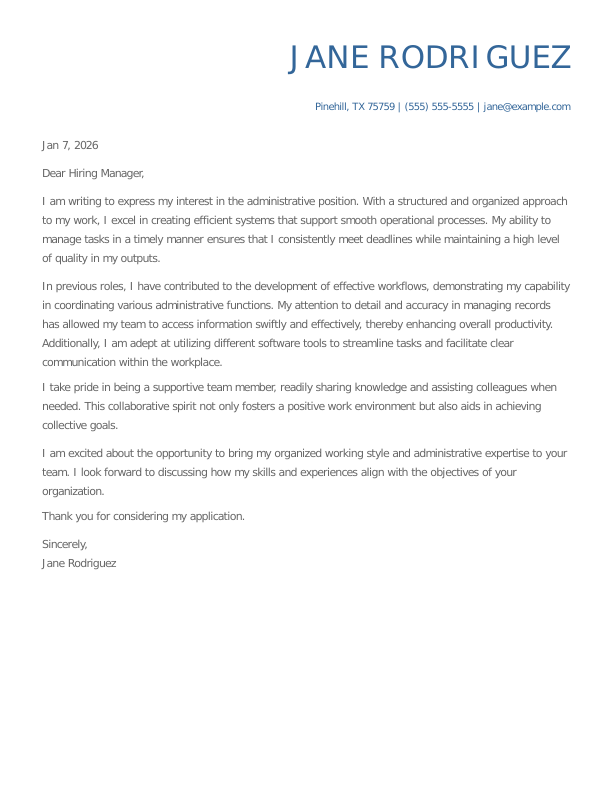
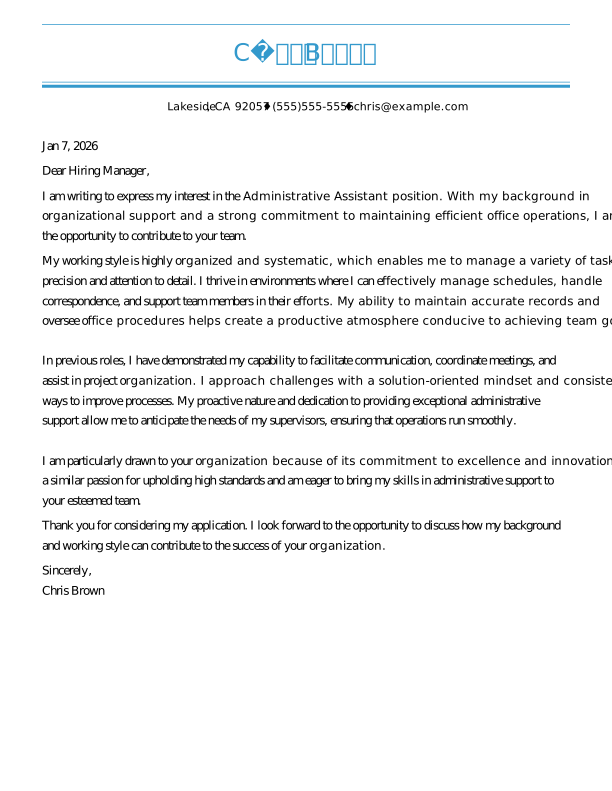
 Administrative
 Business Operations
 Construction
 Culinary
 Customer Service
 Education
 Food Service
 Healthcare Support
 Hospitality
 Information Technology
 Law
Law Marketing
 Medical
 Nursing
 Production
 Retail
 Sales
Sales Social Services
 Teaching
 Other
Other
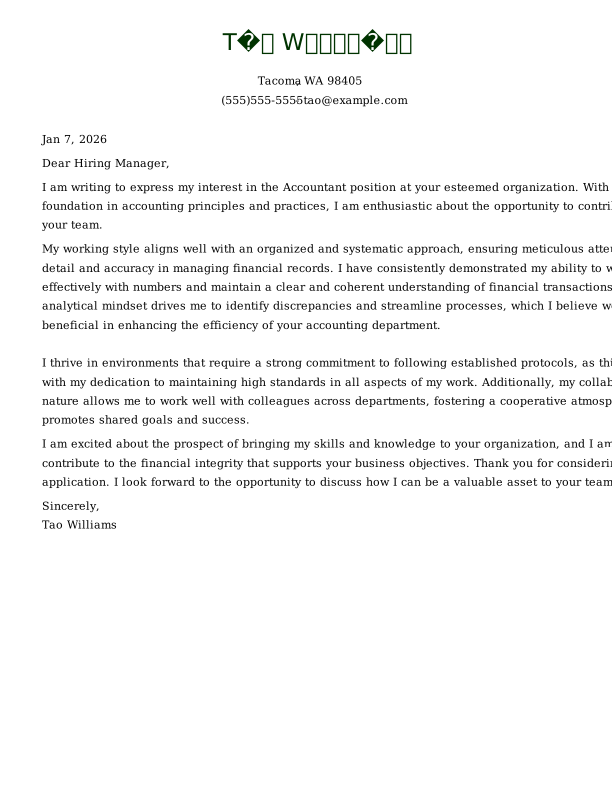
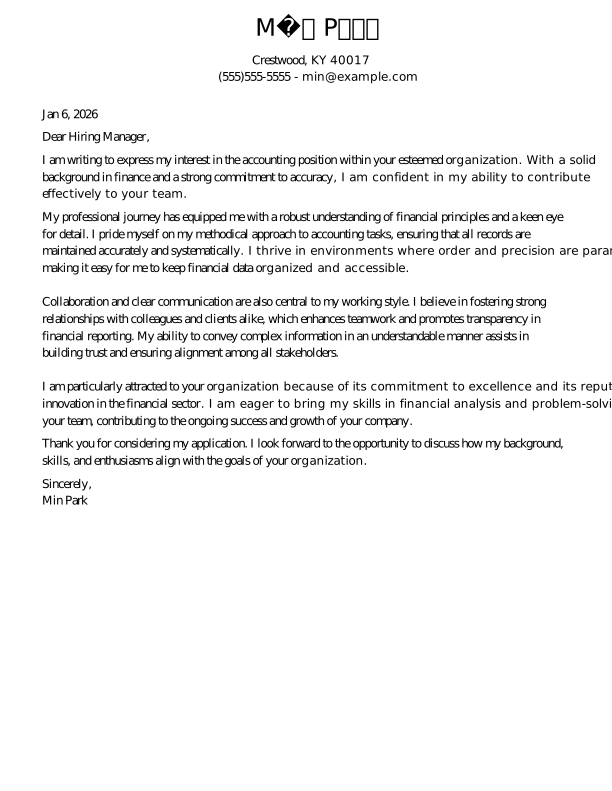
Accounting Cover Letter Examples
Browse cover letter examples for accounting jobs to learn how to showcase your critical thinking skills, analytical acumen, and number-crunching abilities.
3
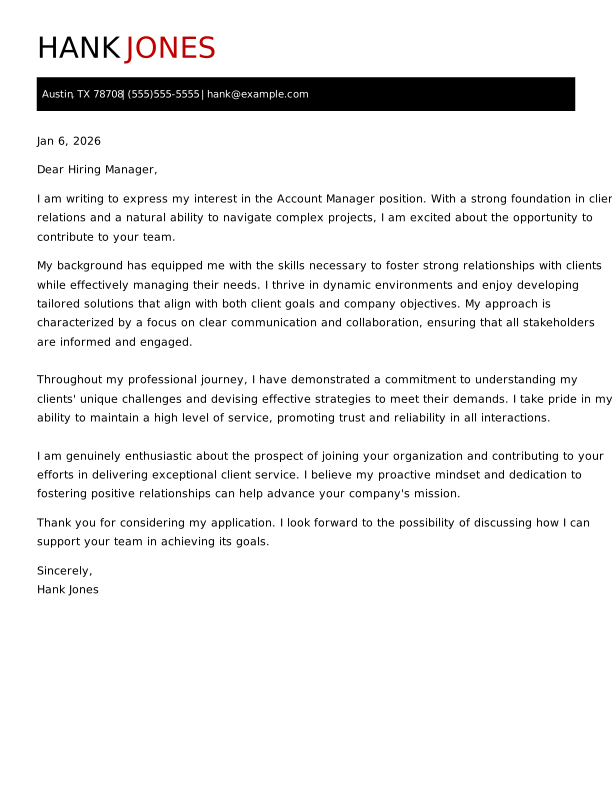

Administrative Cover Letter Examples
Explore good cover letter examples for administrative roles to learn how to highlight your attention to detail, organizational skills, and proficiency with computer software.
13
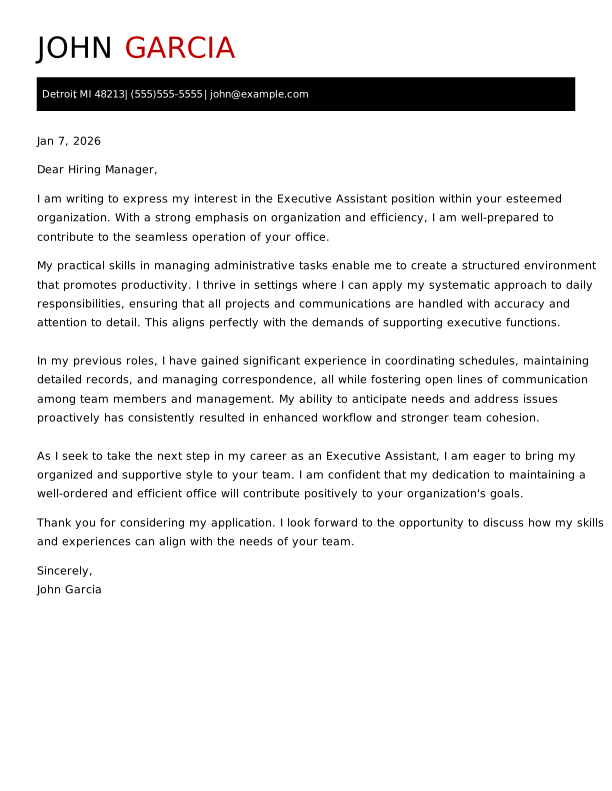
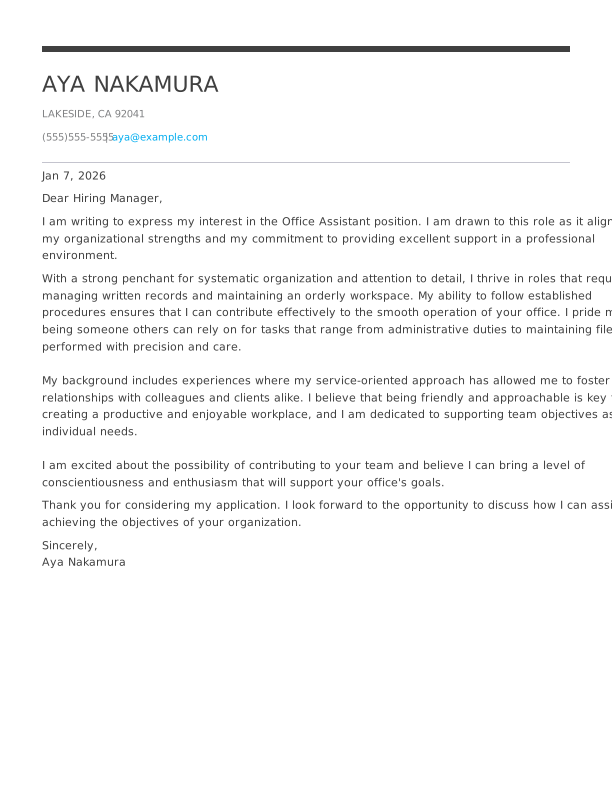

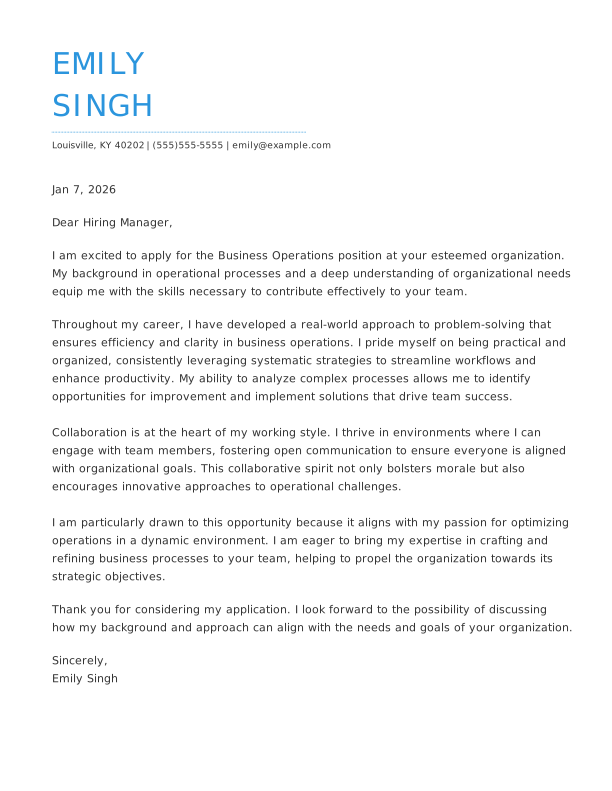
Business Operations Cover Letter Examples
Find a cover letter example for your target business operations role to learn how to highlight your problem-solving skills and team coordination abilities.
9
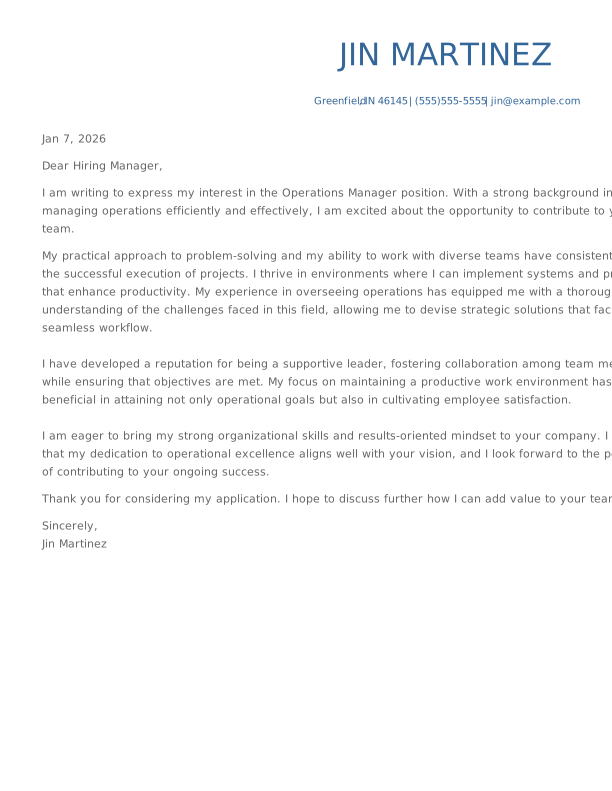

More Business Operations Cover Letter Examples

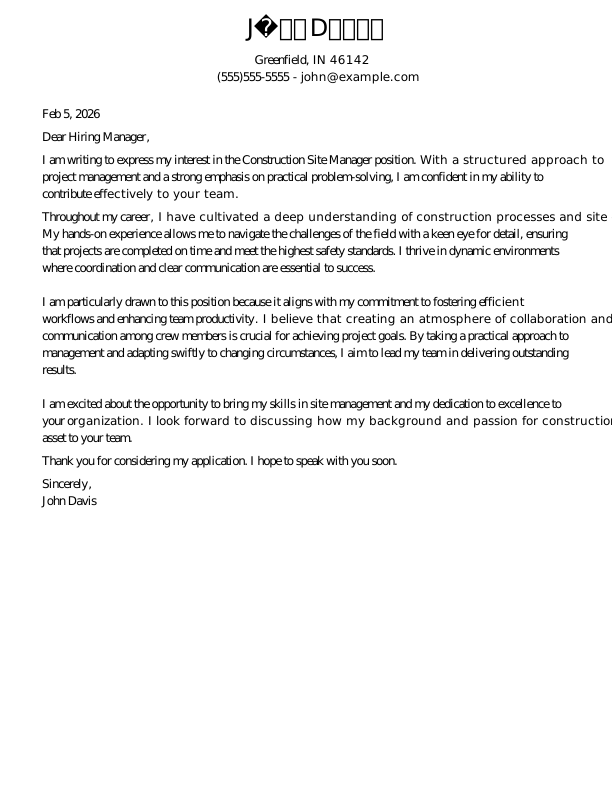
Construction Cover Letter Examples
Use these resume cover letter examples to showcase your strong work ethic, construction skills, and ability to operate specific equipment, such as forklifts or cranes.
3
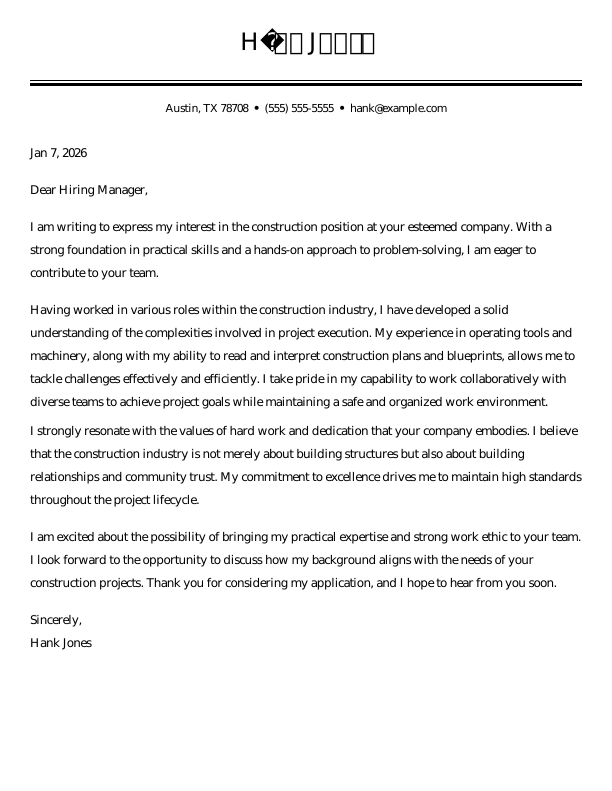
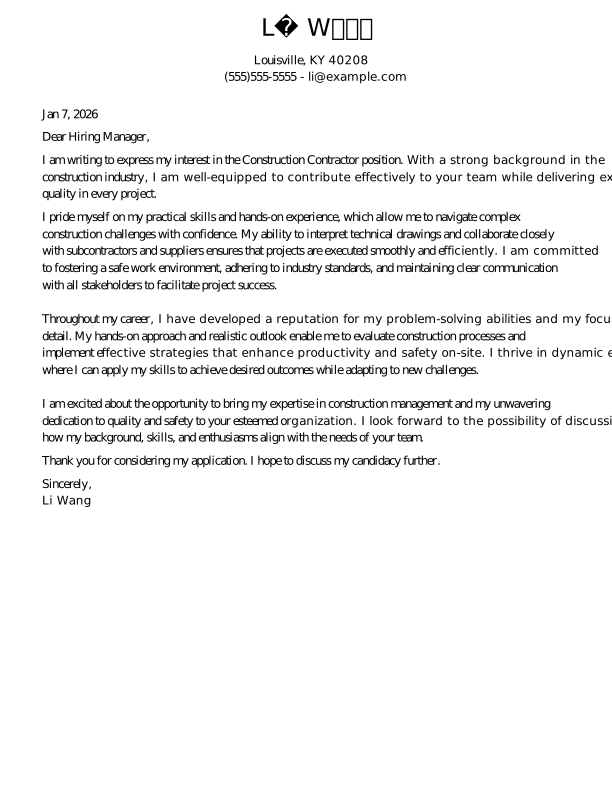
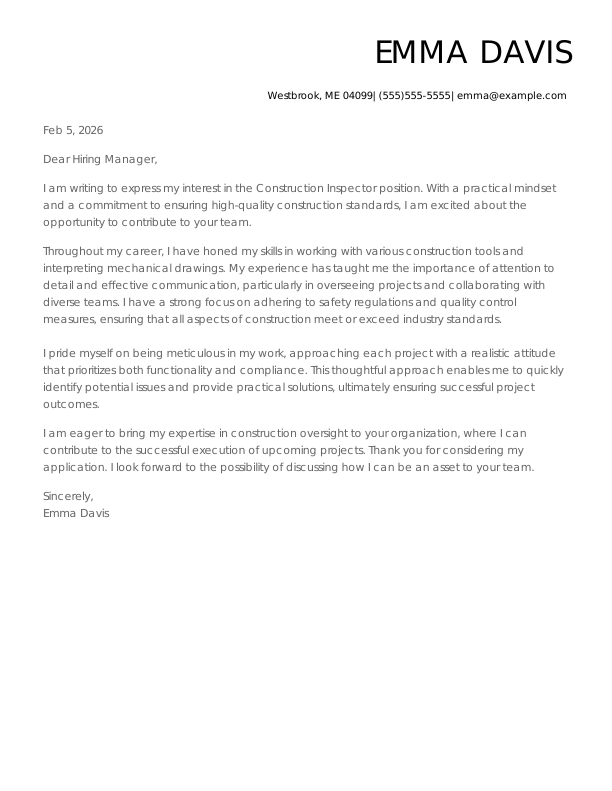

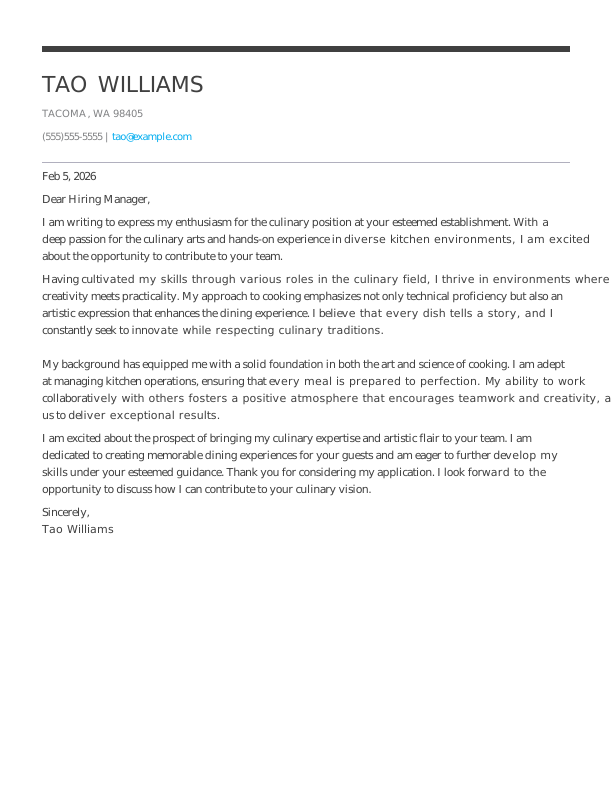
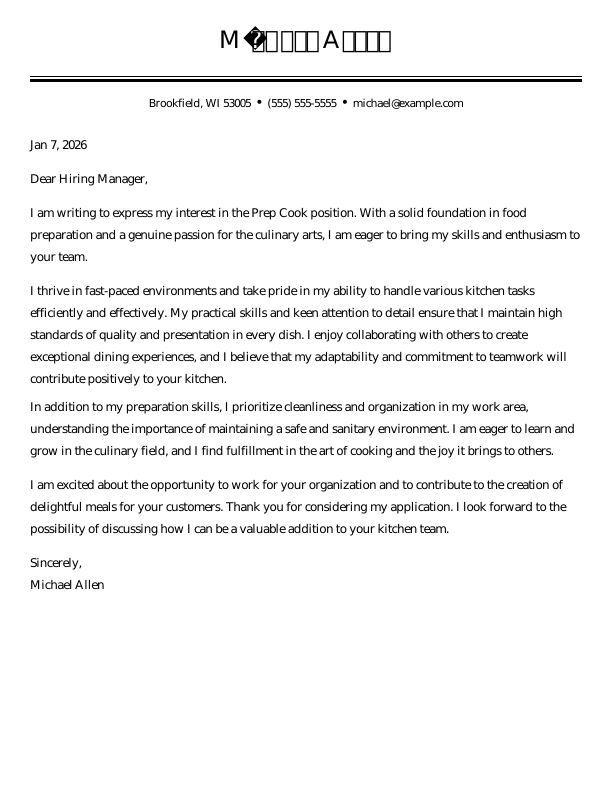
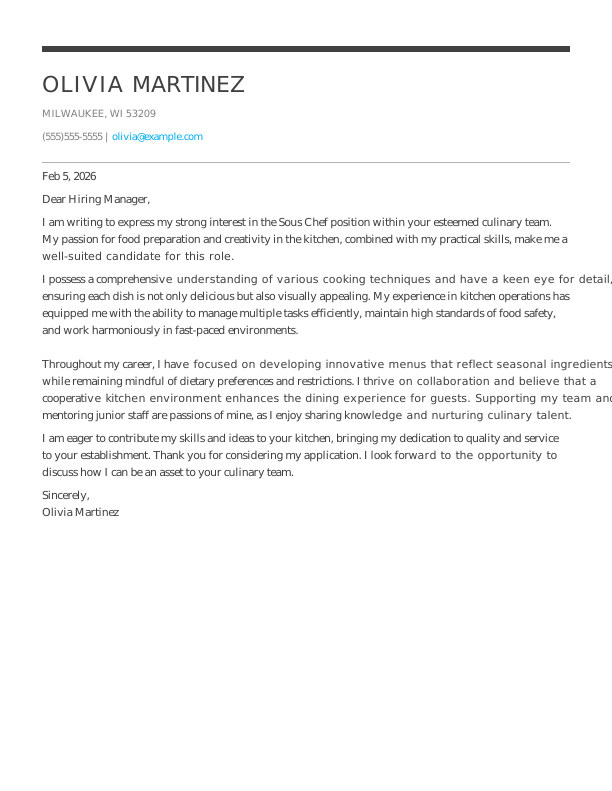
Culinary Cover Letter Examples
These culinary cover letter examples demonstrate how to highlight your measurable achievements, experience in fast-paced work environments, and knowledge of food preparation.
6


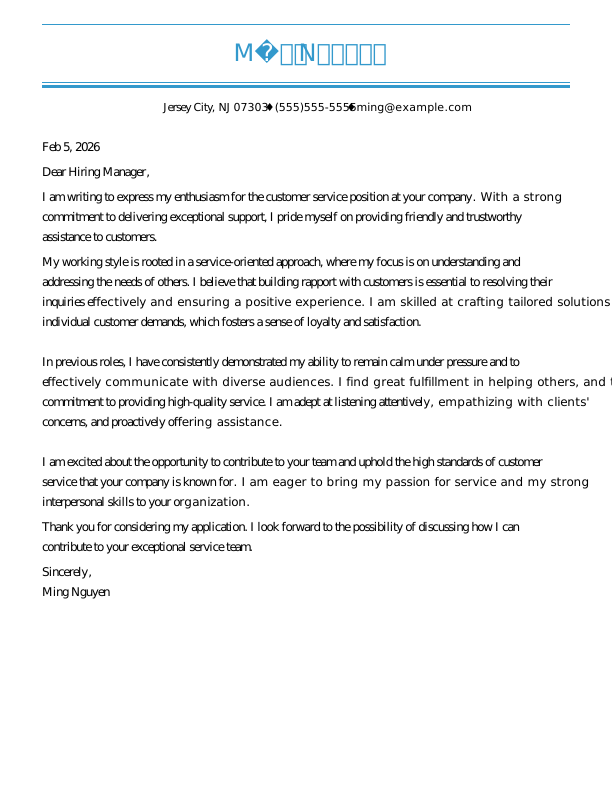
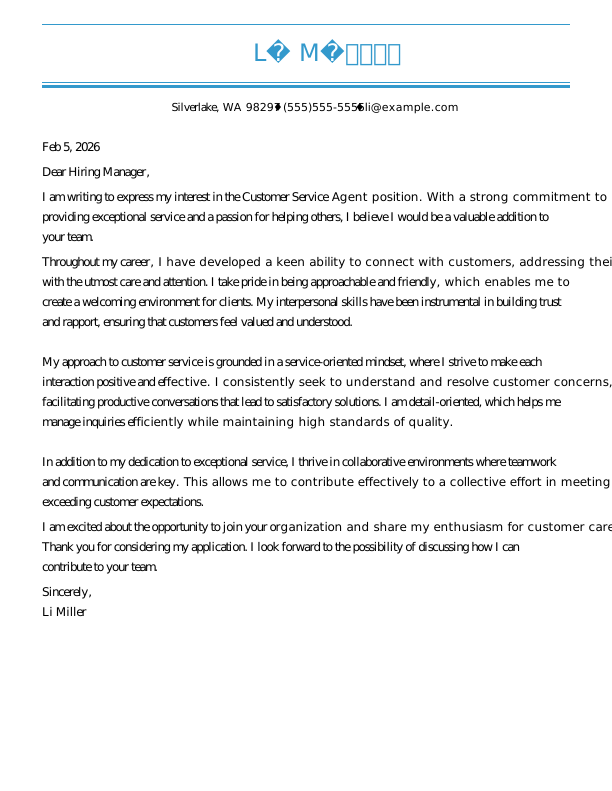
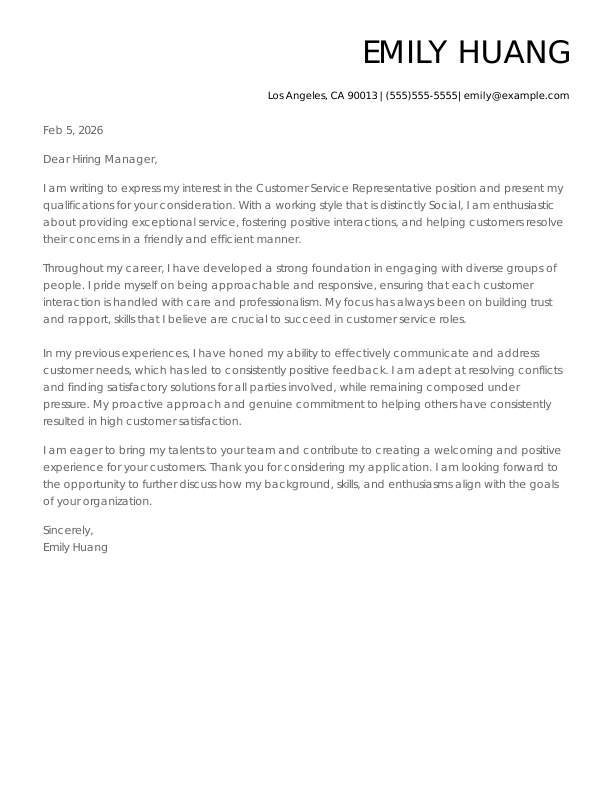
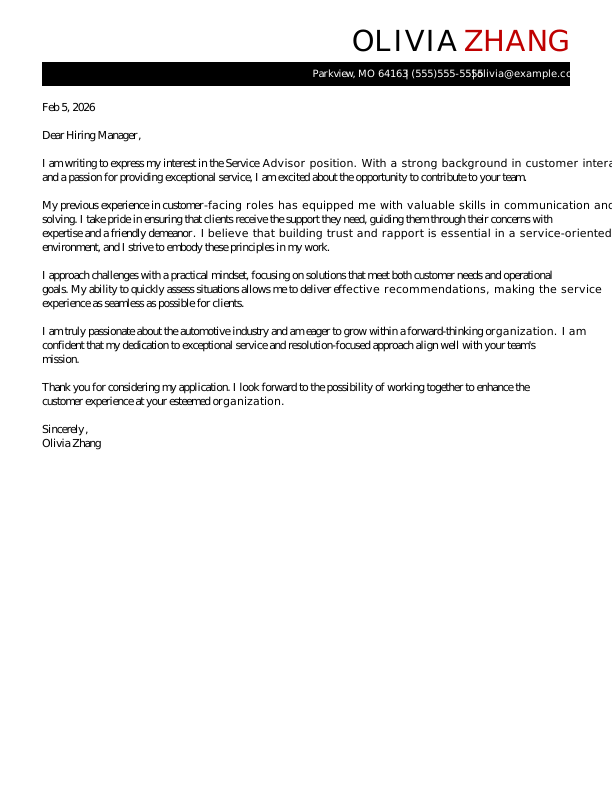
Customer Service Cover Letter Examples
Find a cover letter sample for your target customer service job, and see how to describe your customer service skills and ability to work effectively on a team.
11
More Customer Service Cover Letter Examples

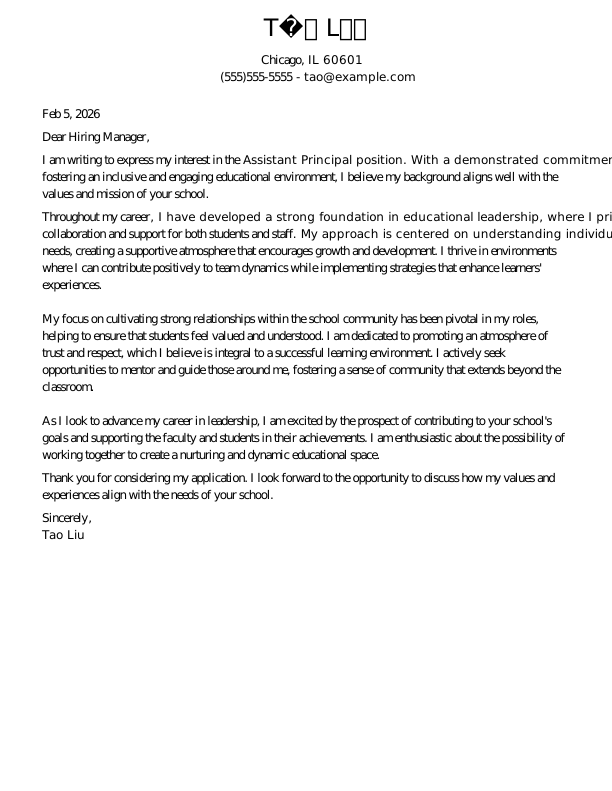
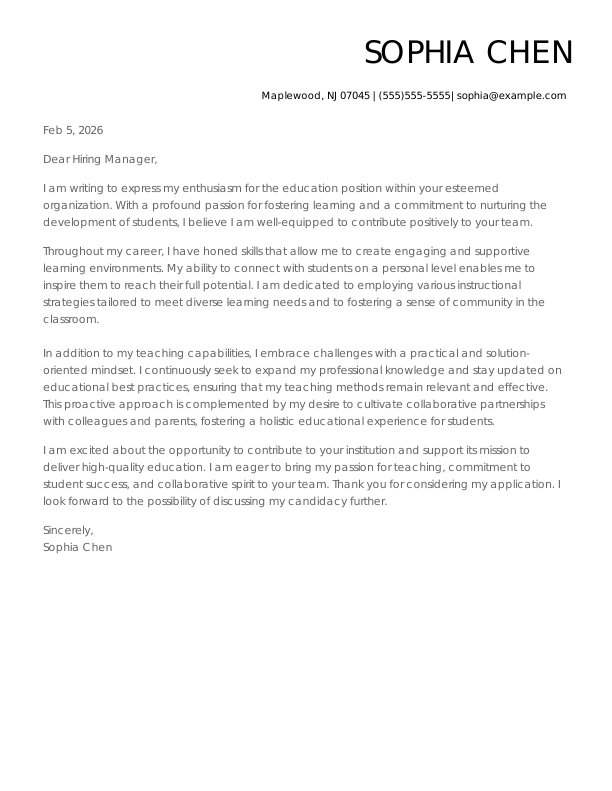
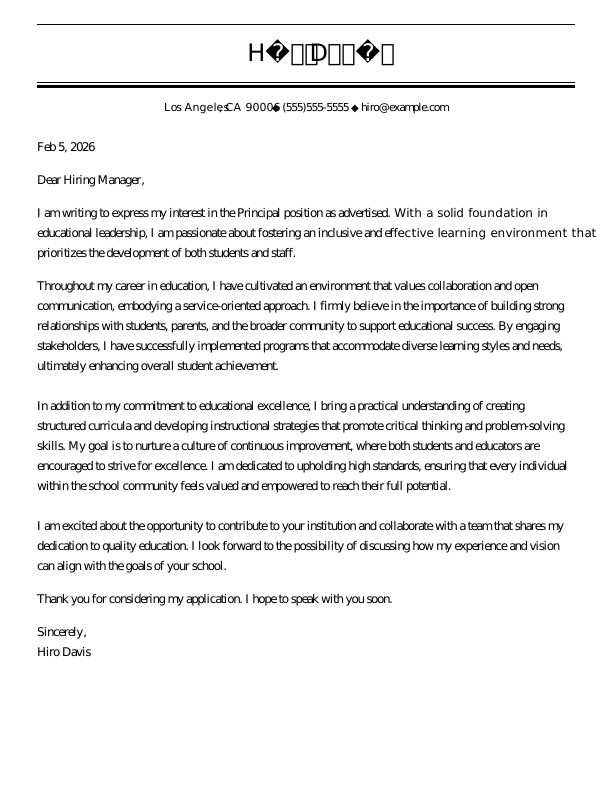
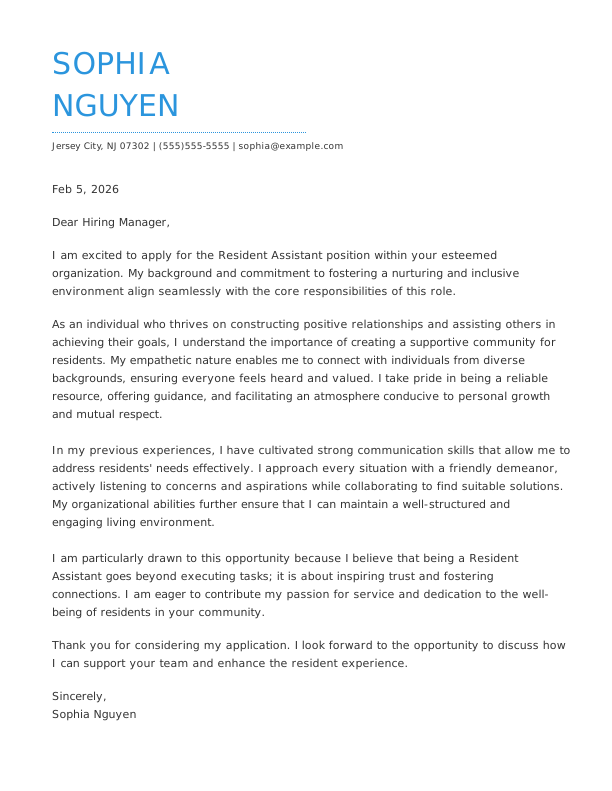
Education Cover Letter Examples
These are good cover letter examples to follow if you want to highlight your proficiency with specific subjects and intangible strengths, such as flexibility, communication skills, and patience.
7
More Education Cover Letter Examples

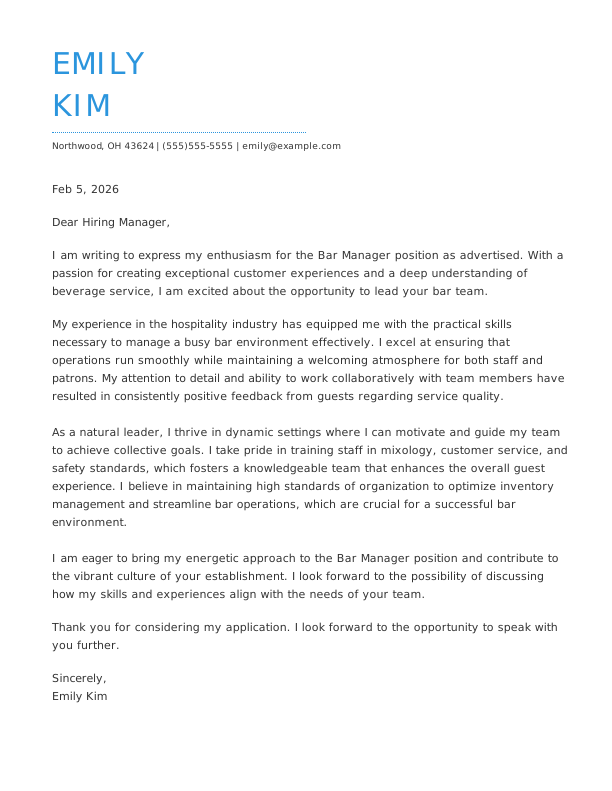
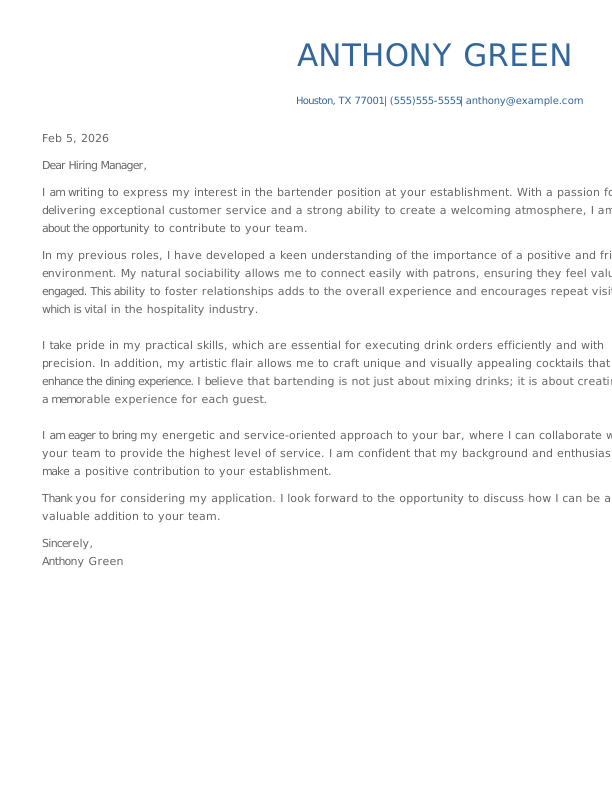
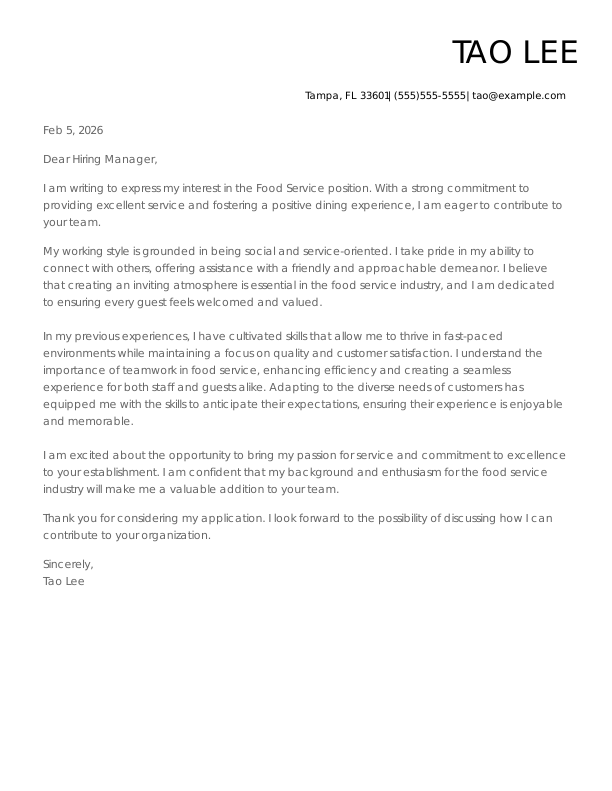
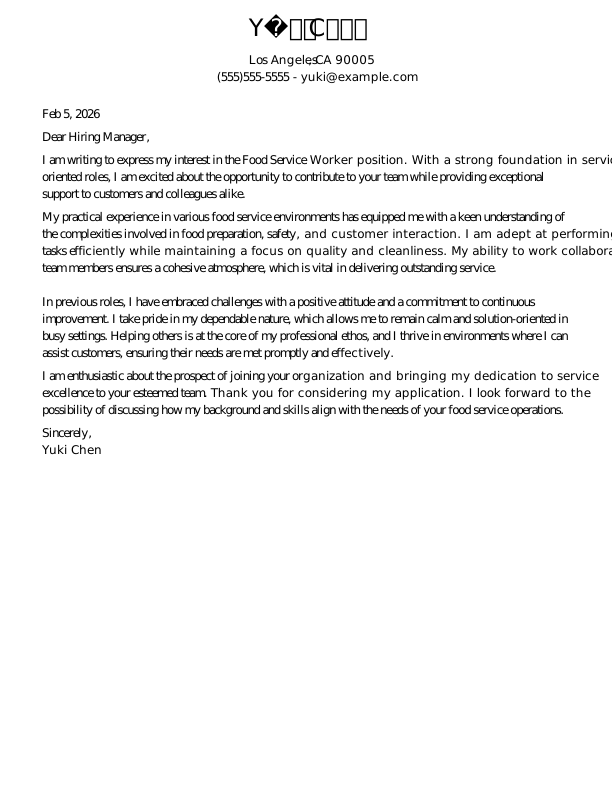
Food Service Cover Letter Examples
Review cover letter examples for jobs in the food service industry to visualize ways to display your exceptional food service skills and communication skills.
6

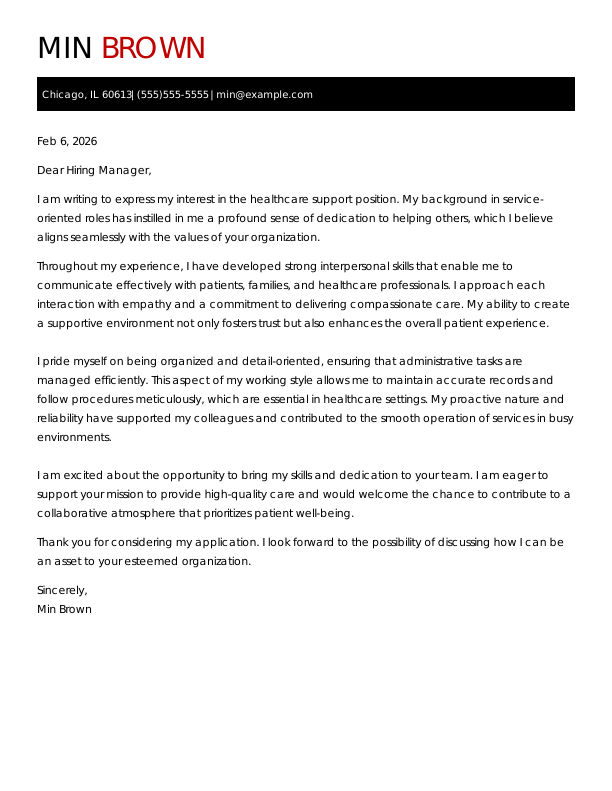
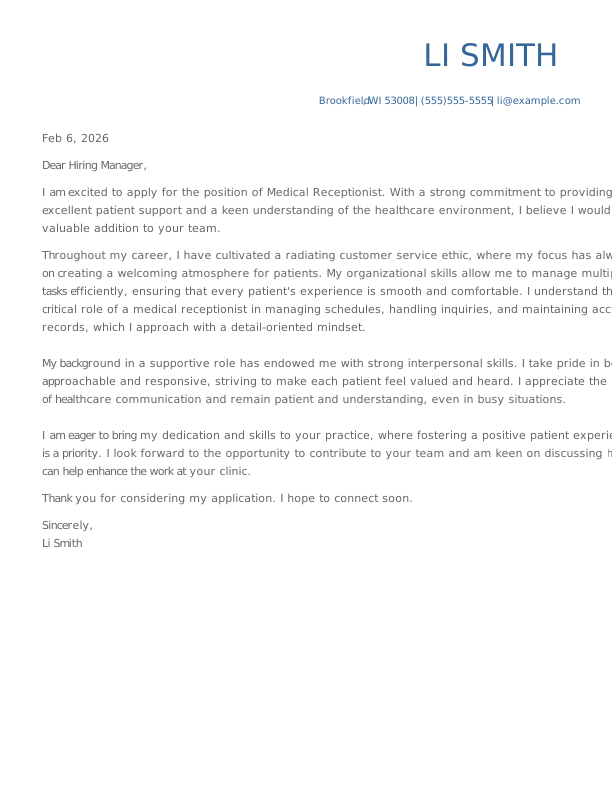
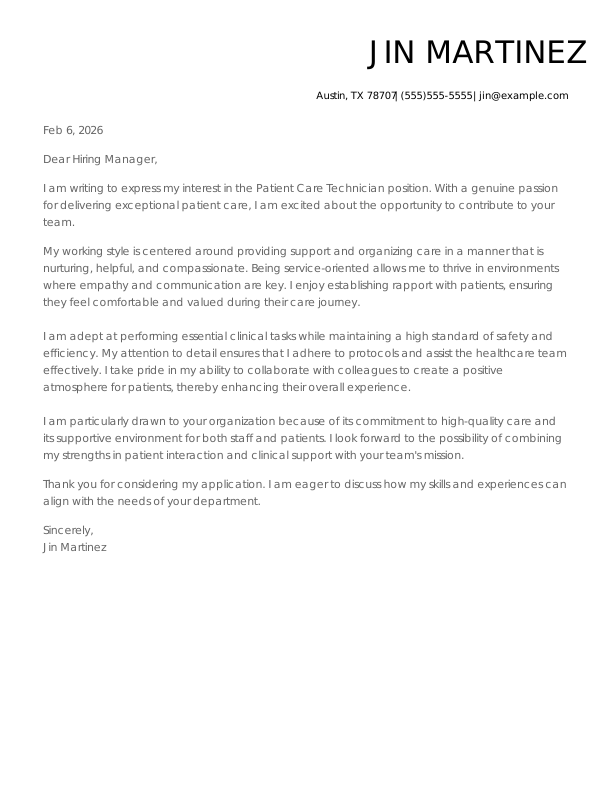
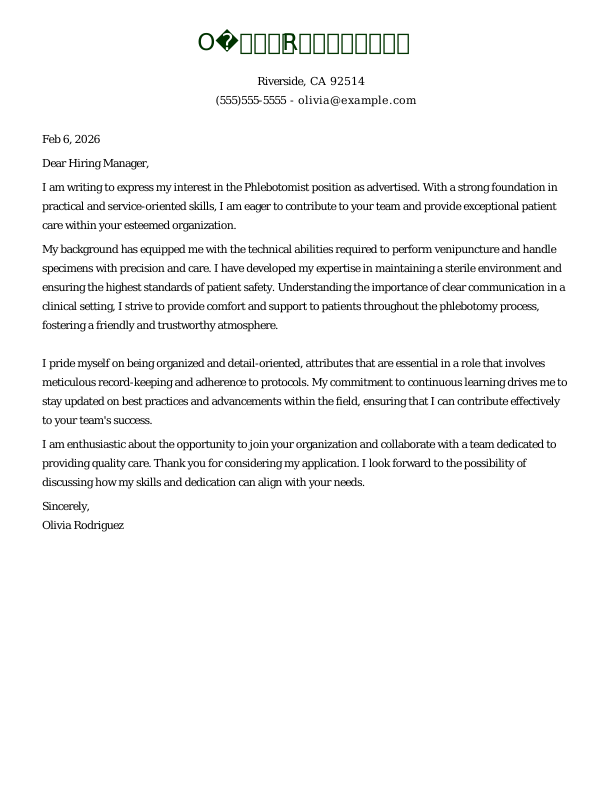
Healthcare Support Cover Letter Examples
See how to expand upon keywords from your resume with specific examples, such as a story about services you’ve provided to patients, or key training and relevant experience.
13

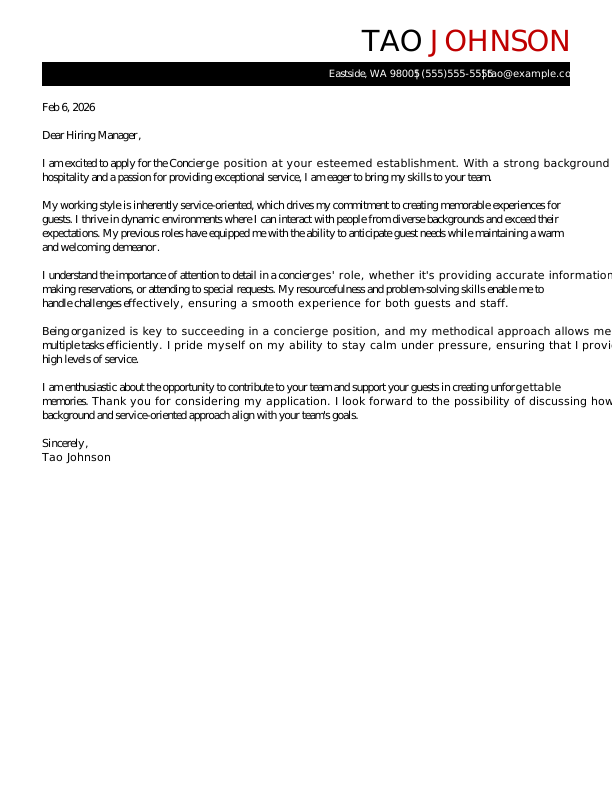
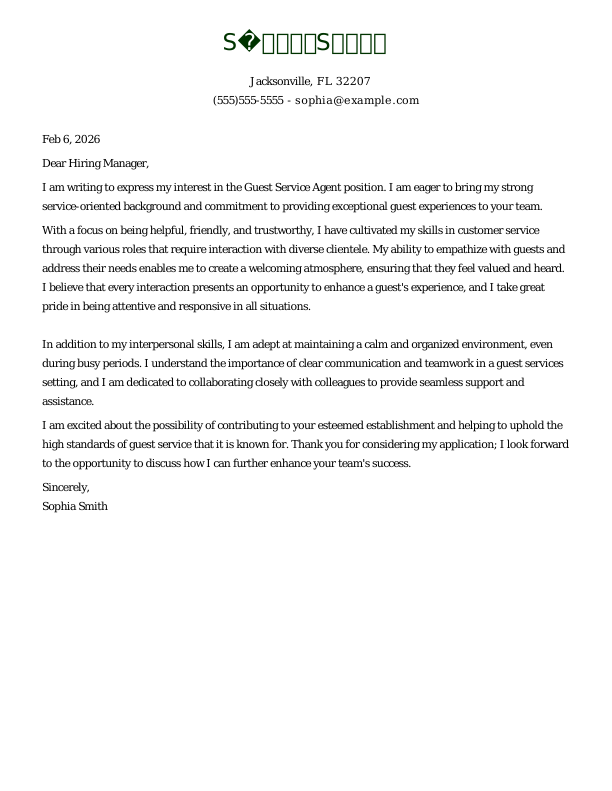
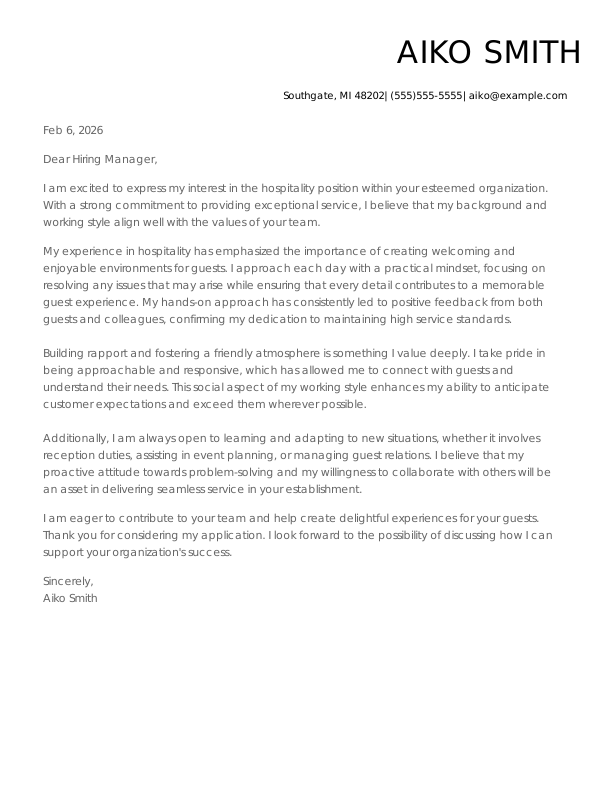
Hospitality Cover Letter Examples
These strong cover letter examples will inspire you to showcase your soft skills, such as exceptional customer service and organizational abilities.
2

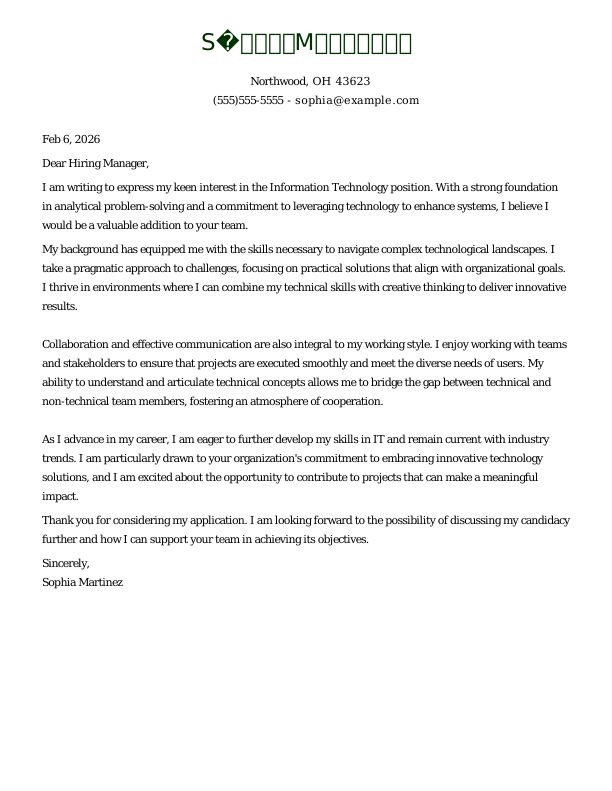
Information Technology Cover Letter Examples
Use these professional cover letter examples to kickstart the writing process. Explain how you’ve used your information technology skills to improve IT operations in previous jobs.
3

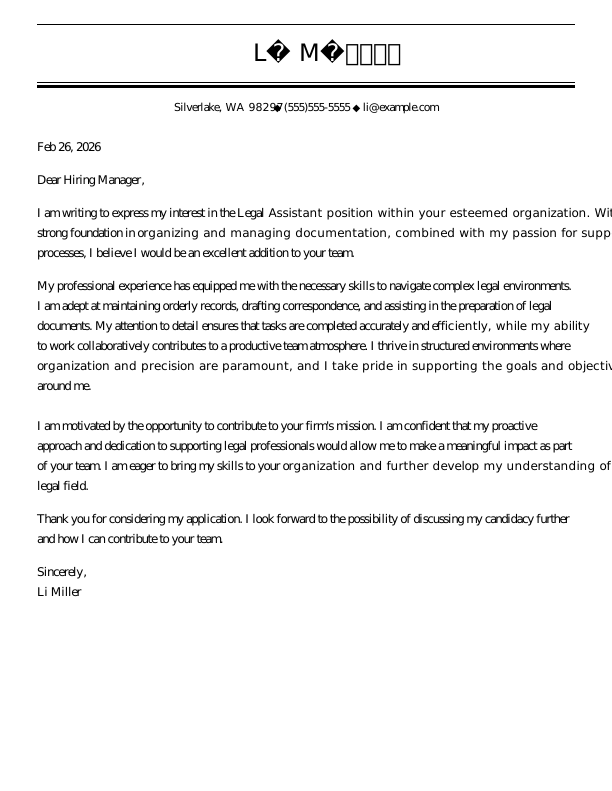
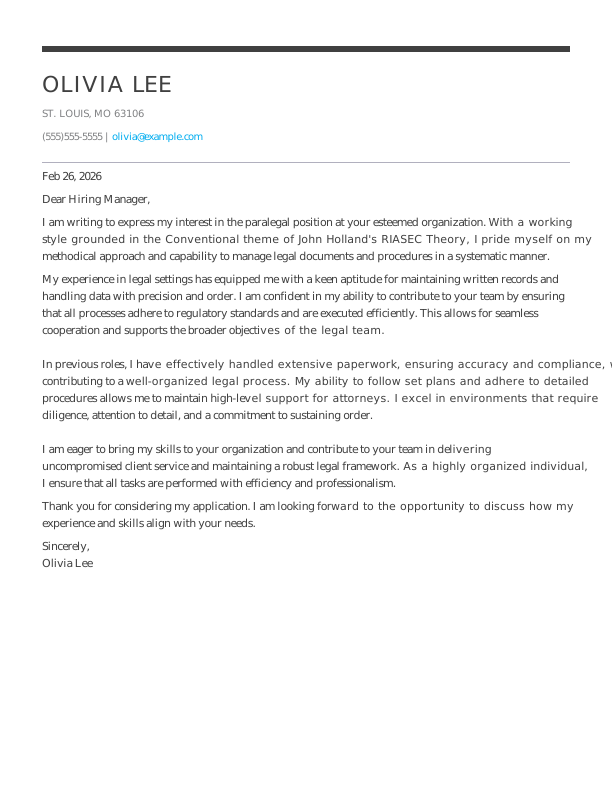
Legal Cover Letter Examples
Find an example cover letter for a job in the legal industry to see how to exhibit your administrative skills and experience performing research or handling documentation.
5

Marketing Cover Letter Examples
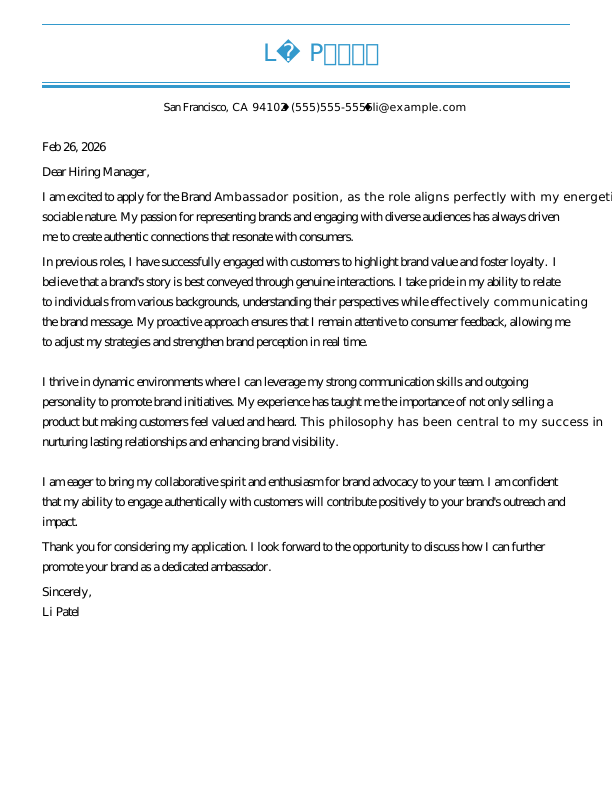
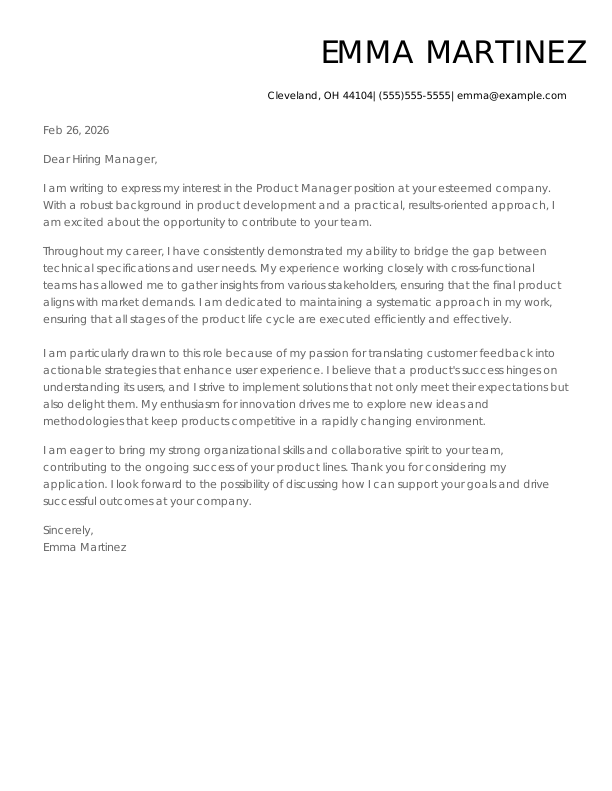
These sample cover letters demonstrate how to showcase your creativity, leadership skills, and strategic thinking abilities while highlighting job-relevant areas of focus.
6



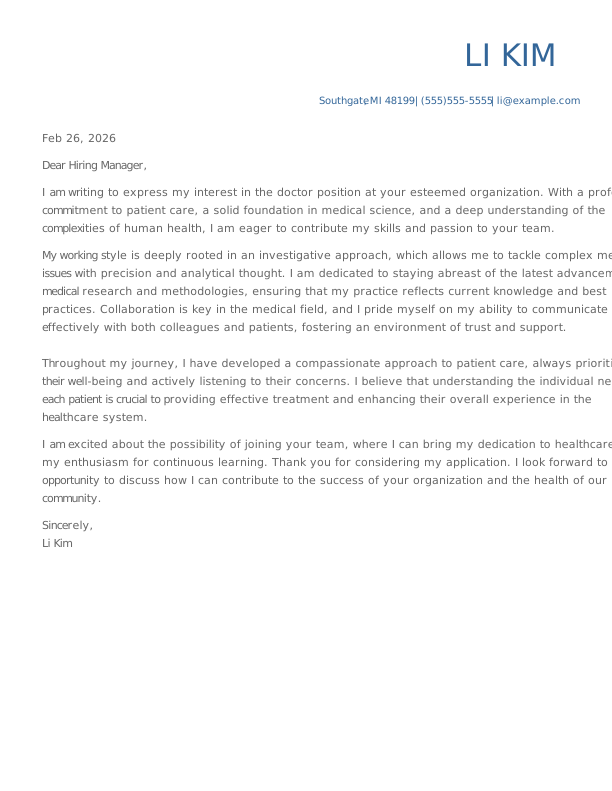
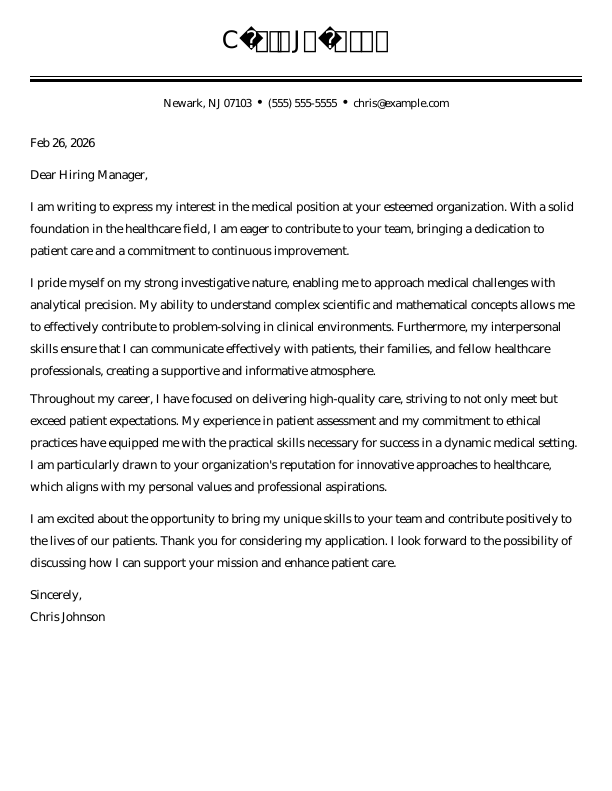
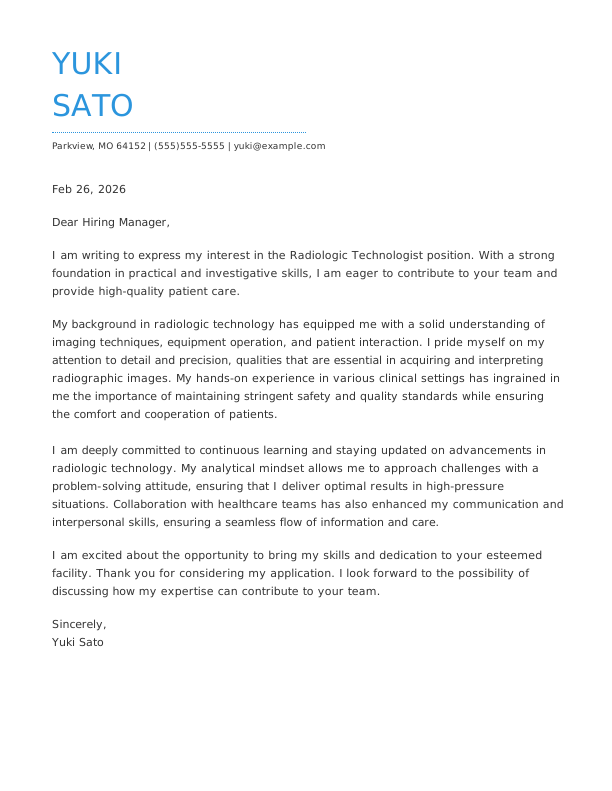
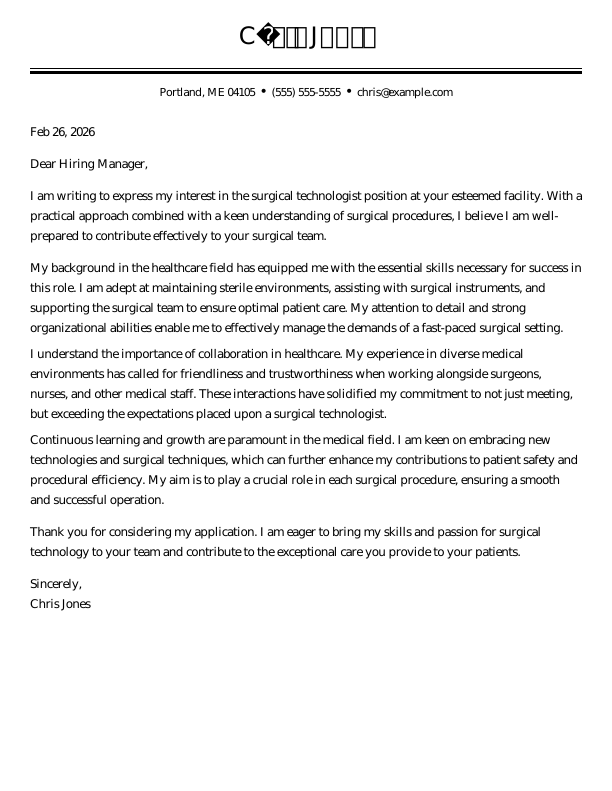
Medical Cover Letter Examples
Let our sample cover letters help you highlight your ability to empathize with patients and display your medical knowledge and industry achievements.
9
More Medical Cover Letter Examples

Nursing Cover Letter Examples
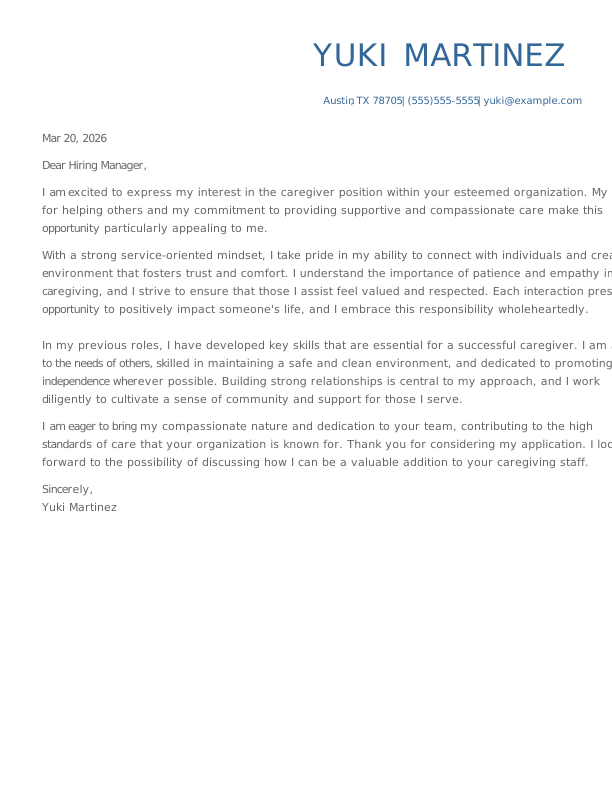
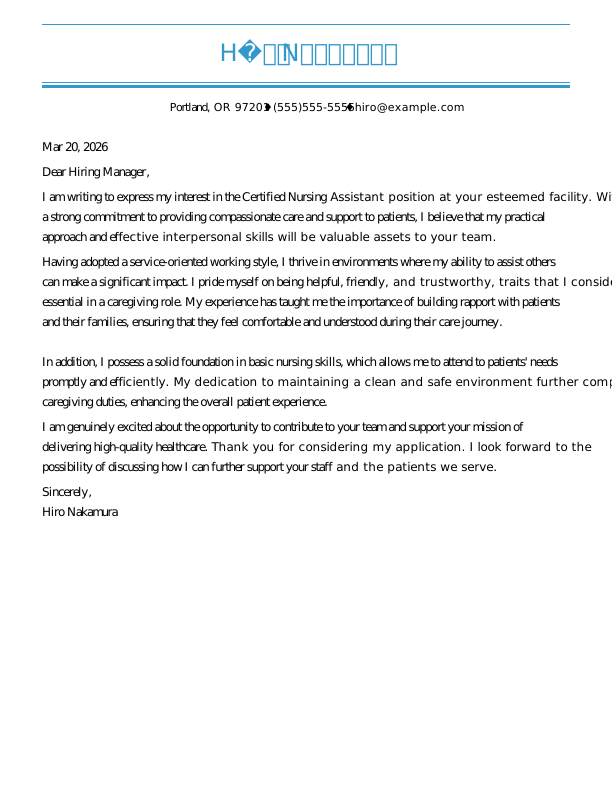
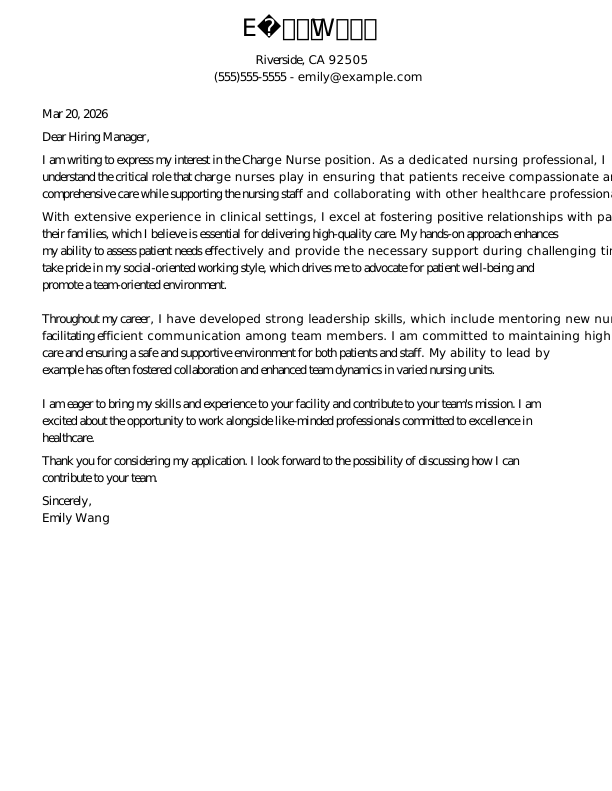
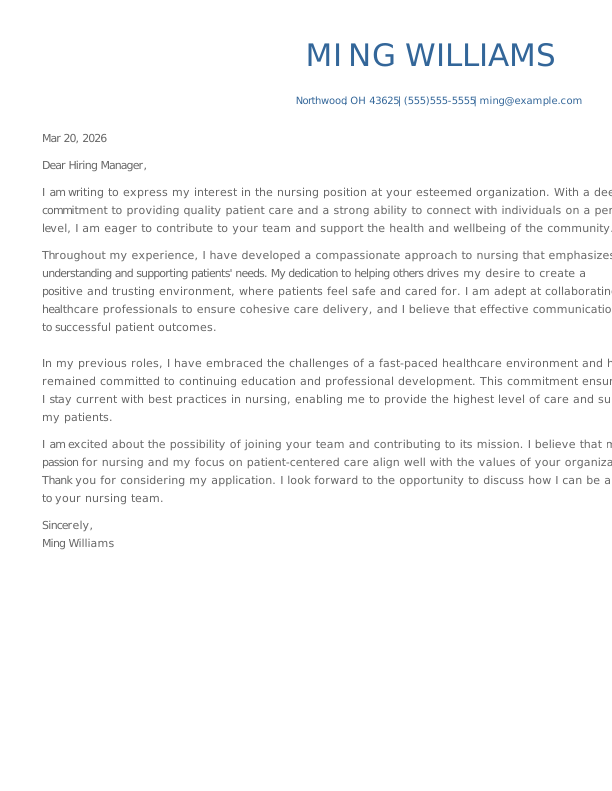
Our nursing cover letter samples feature well-crafted cover letter headers and compelling content that showcase compassion, multitasking skills, and attention to detail.
10

Production Cover Letter Examples
Our cover letter examples for production jobs will help you showcase your ability to work with others, your knowledge of heavy machinery, and your time management and safety skills.
6
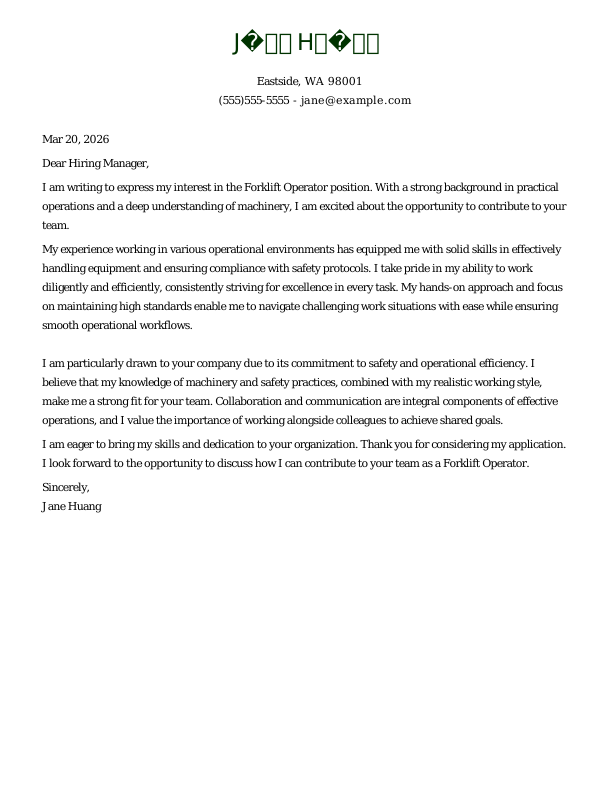
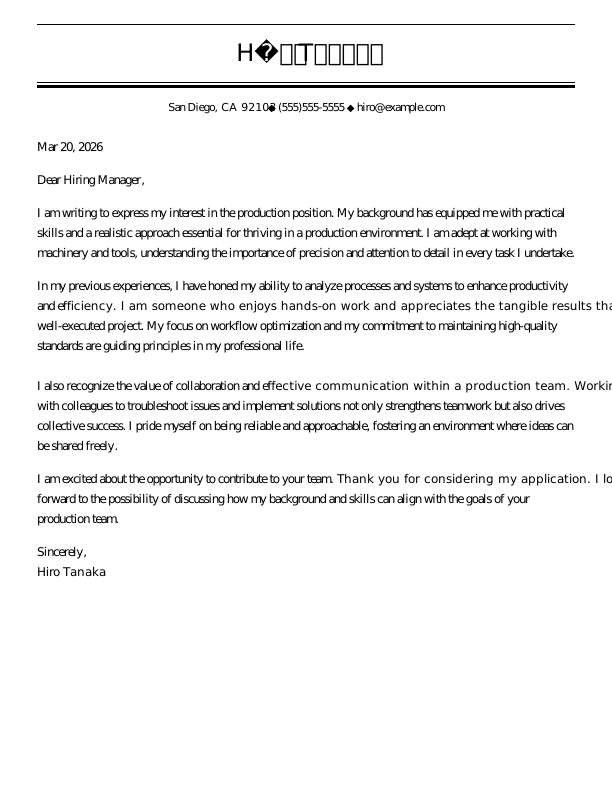
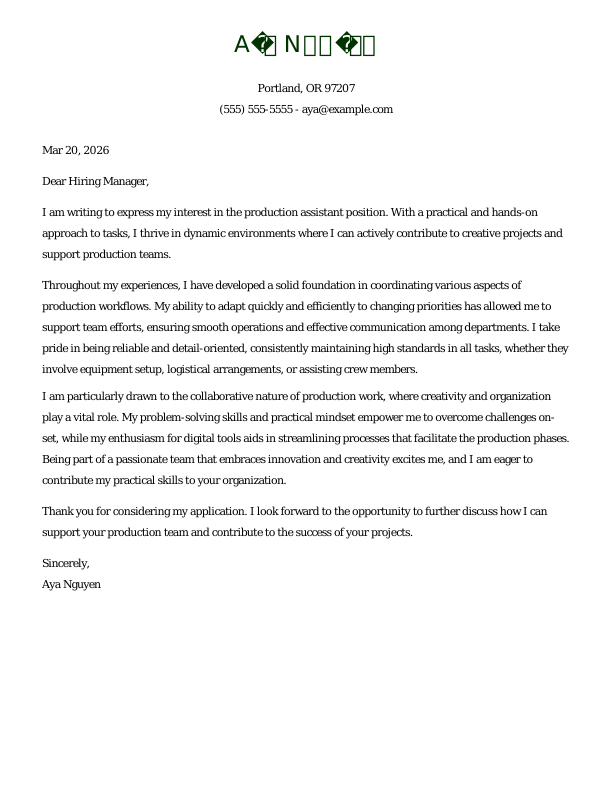
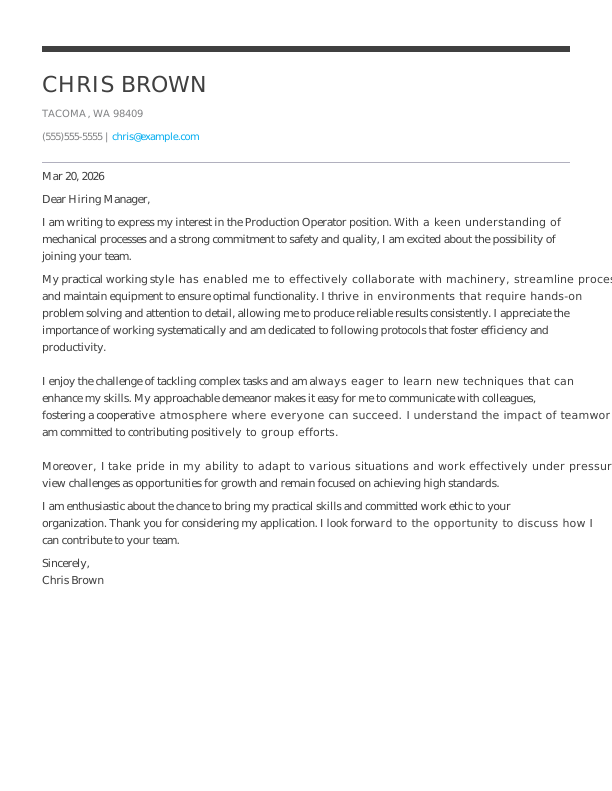
More Production Cover Letter Examples

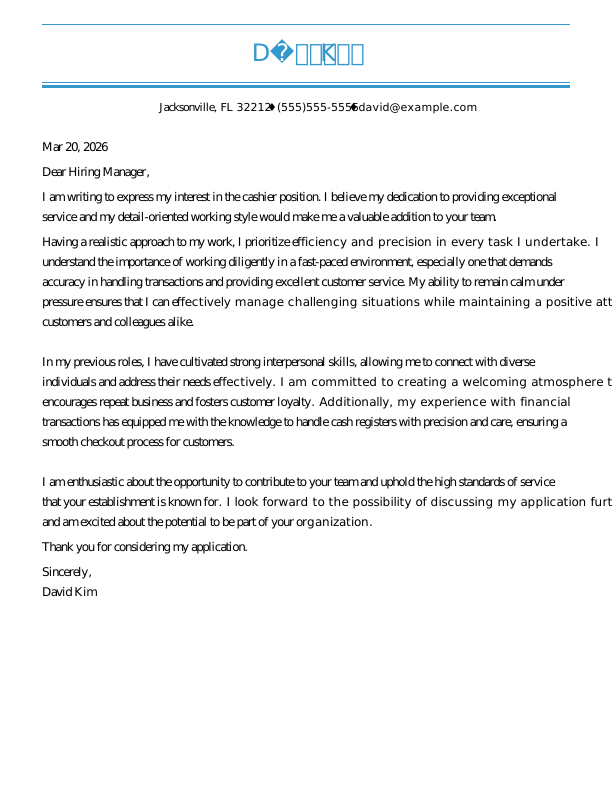
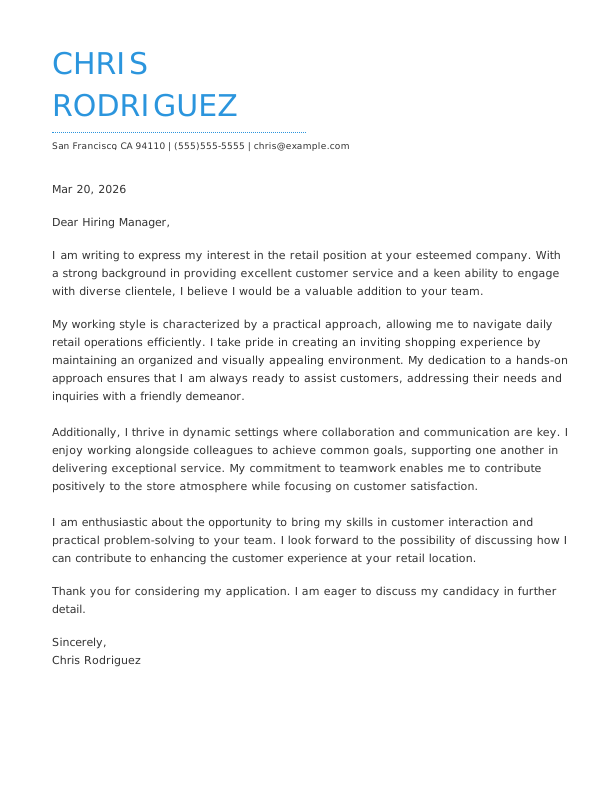
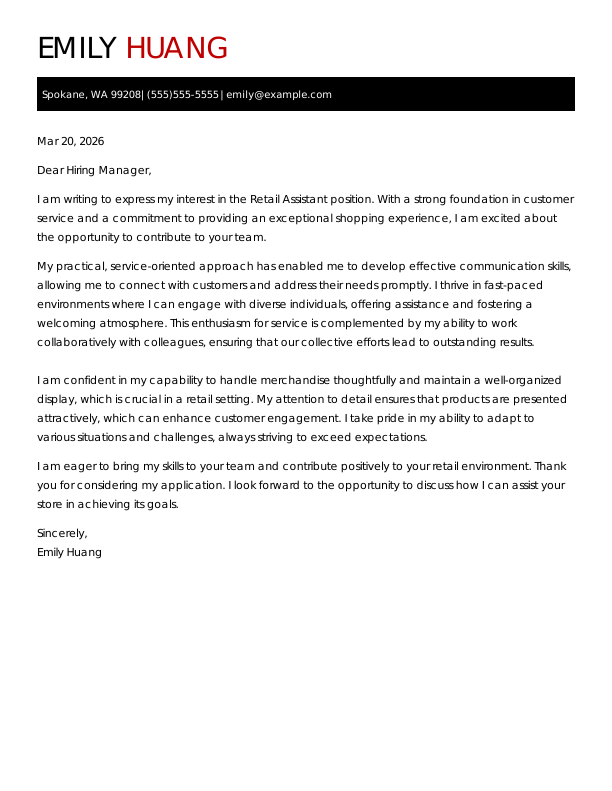
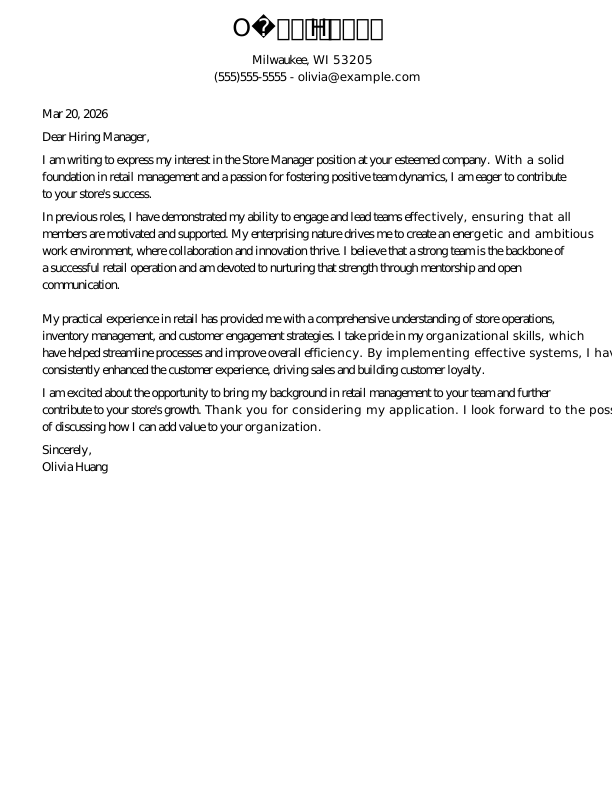
Retail Cover Letter Examples
Follow our retail cover letter examples to create an effective cover letter that highlights relevant skills, such as interpersonal skills and merchandise maintenance.
10

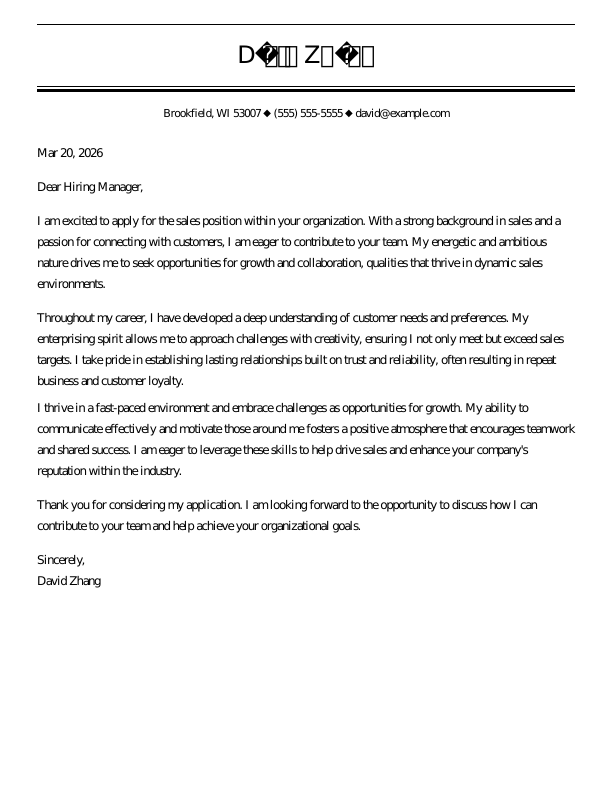
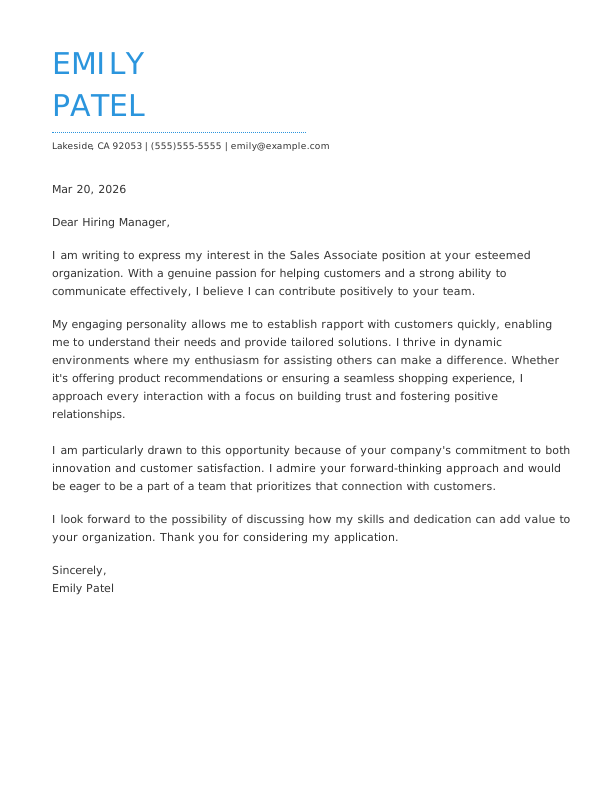
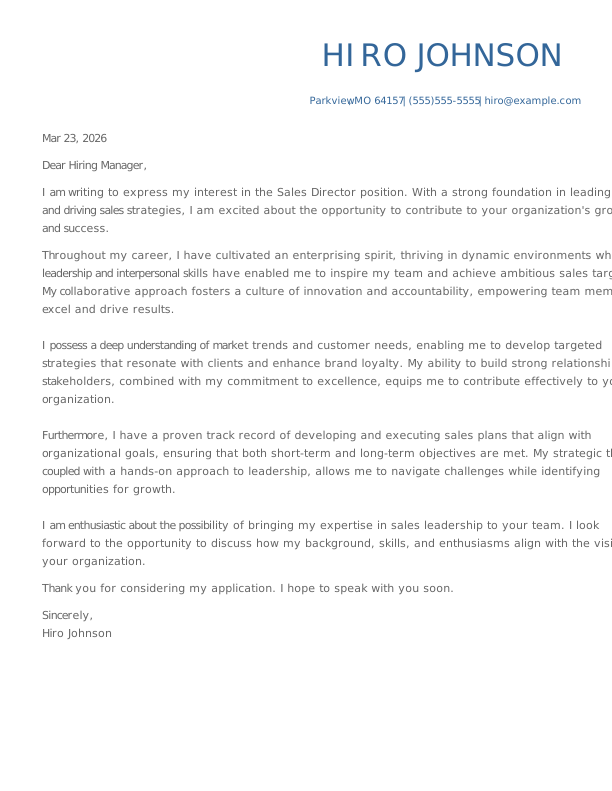
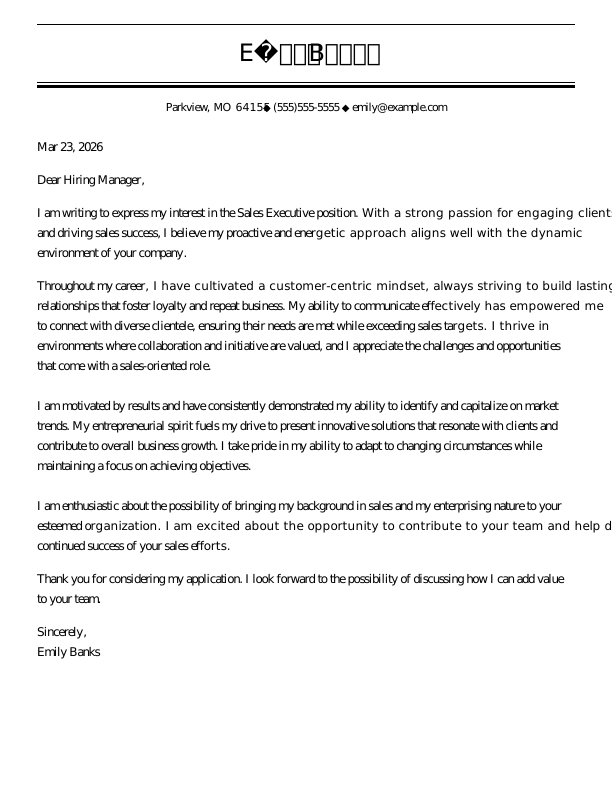
Sales Cover Letter Examples
Use these resume cover letter examples to write a cover letter that features your best sales skills and professional achievements.
10

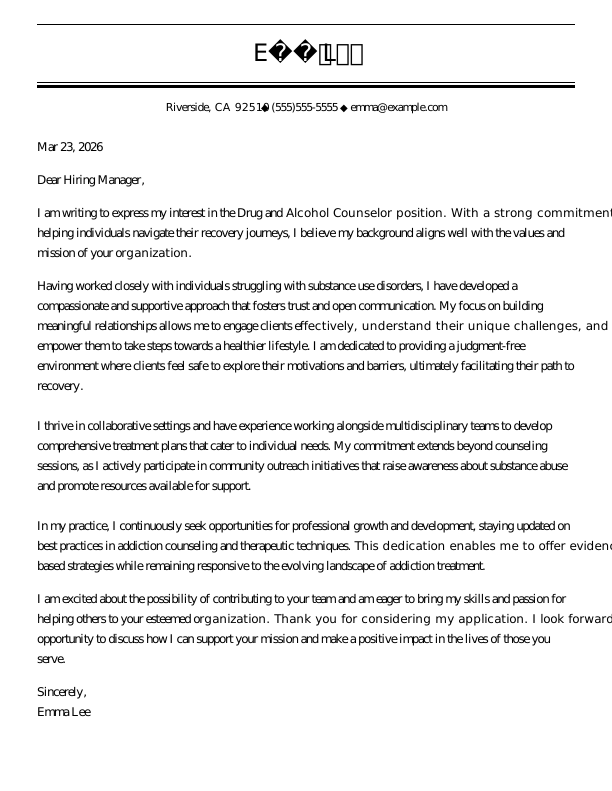
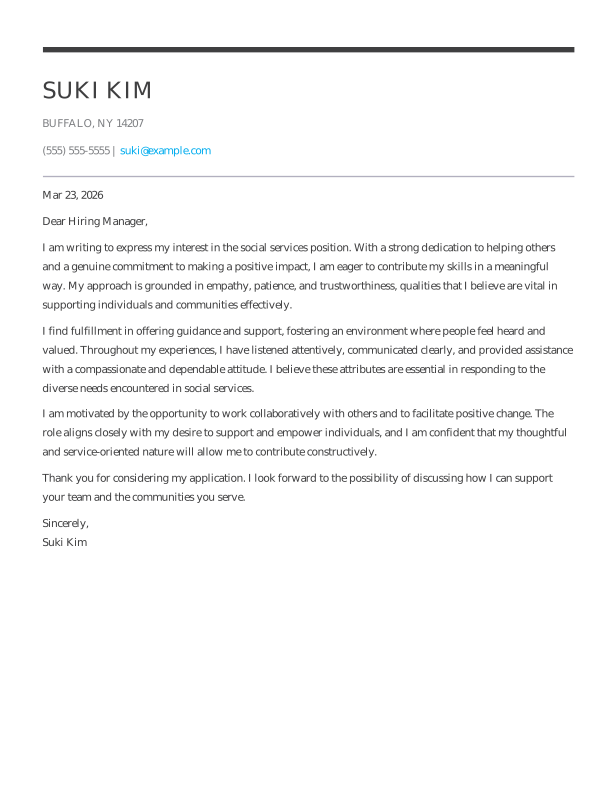
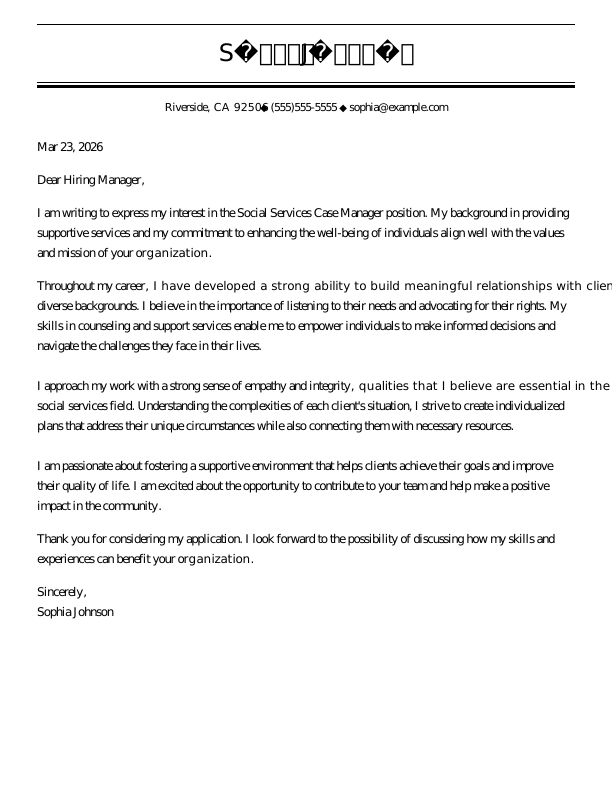
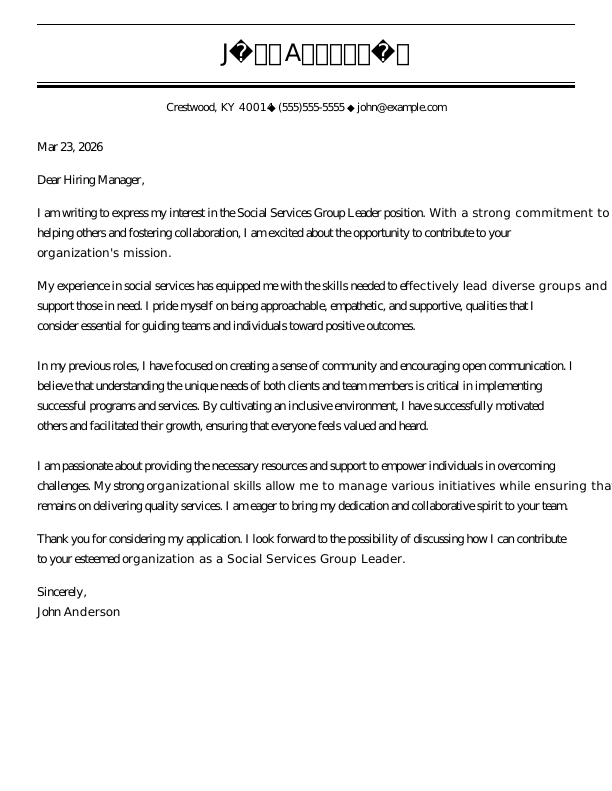
Social Services Cover Letter Examples
Choose a sample cover letter and learn how to emphasize your ability to communicate with others, highlight important projects, and showcase your commitment to public service.
3

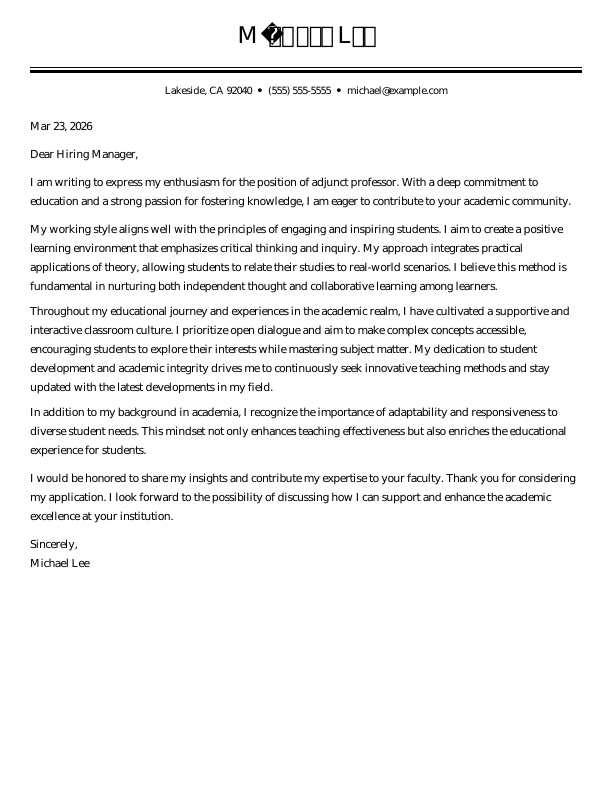
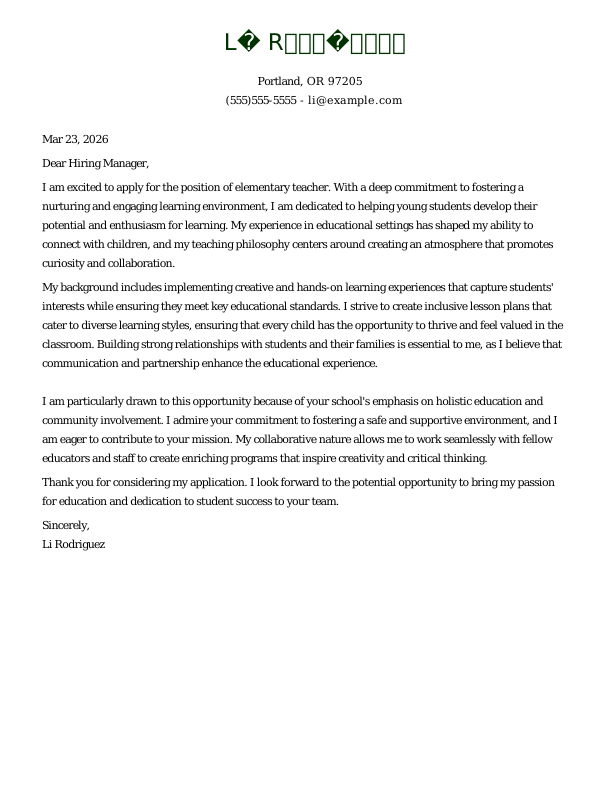
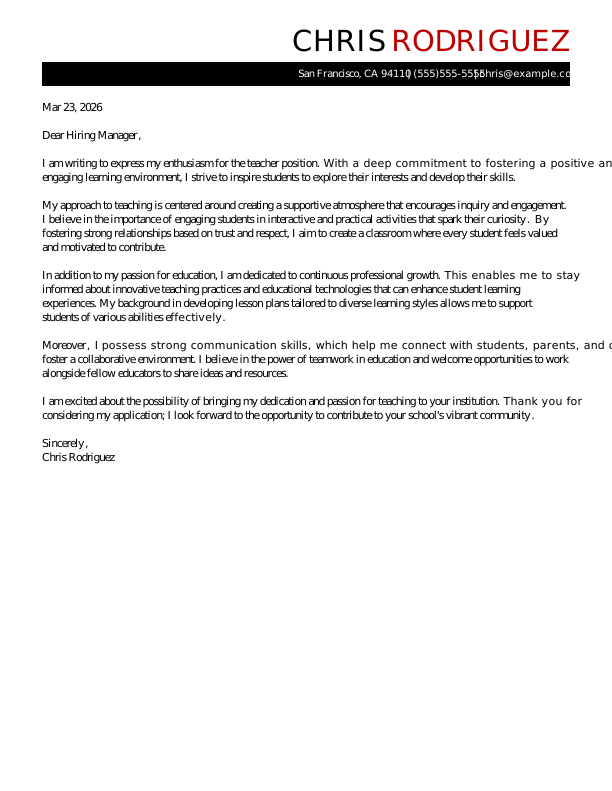
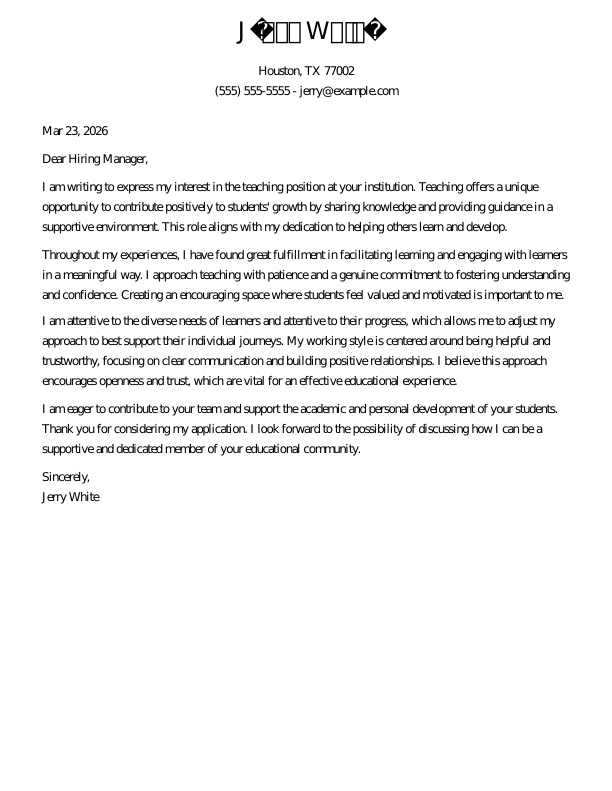
Teaching Cover Letter Examples
Explore our professional cover letter examples to learn how to highlight your most impressive teaching skills and classroom experience.
15

More Examples by Industry
Browse more cover letter examples for leading companies and industries to see how successful applicants tailor their introductions, skills, and experience for different roles.
50
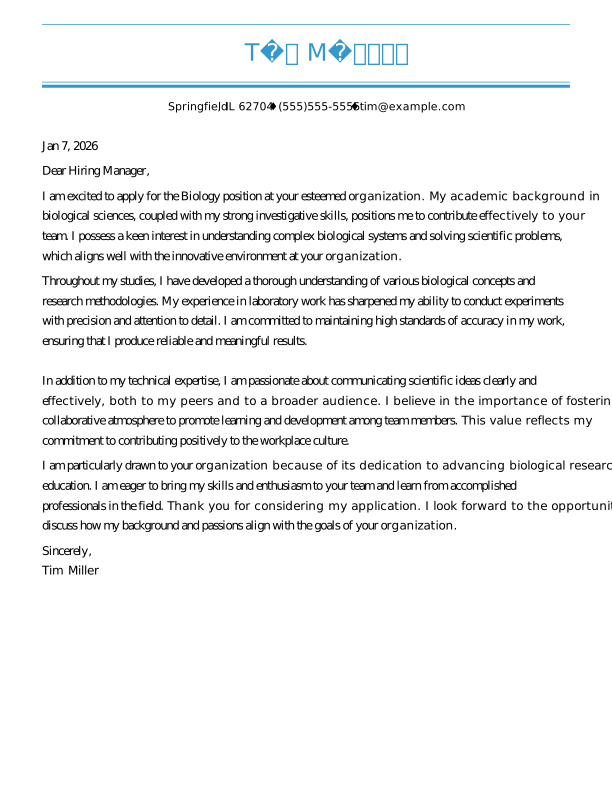
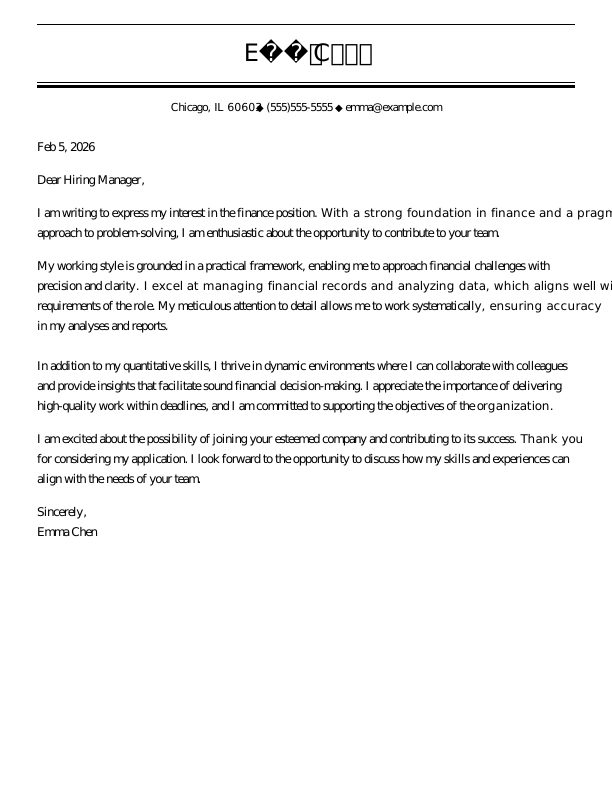
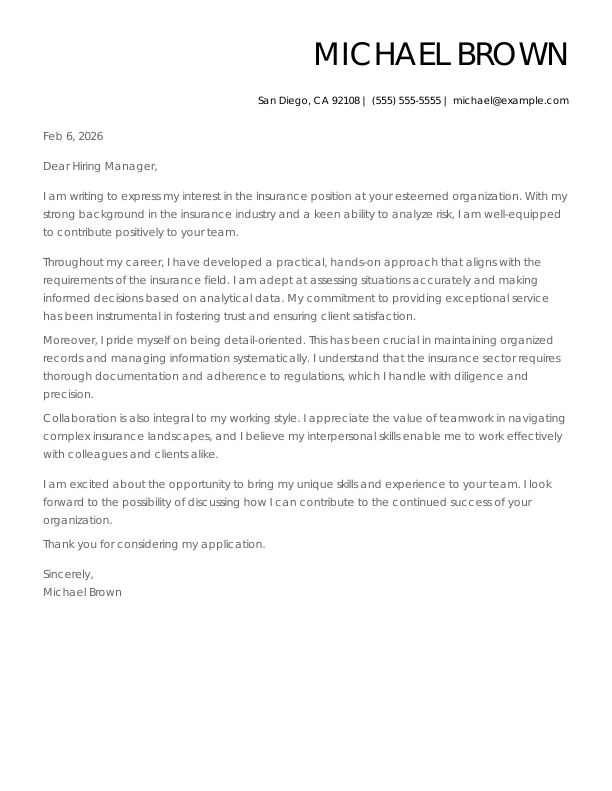
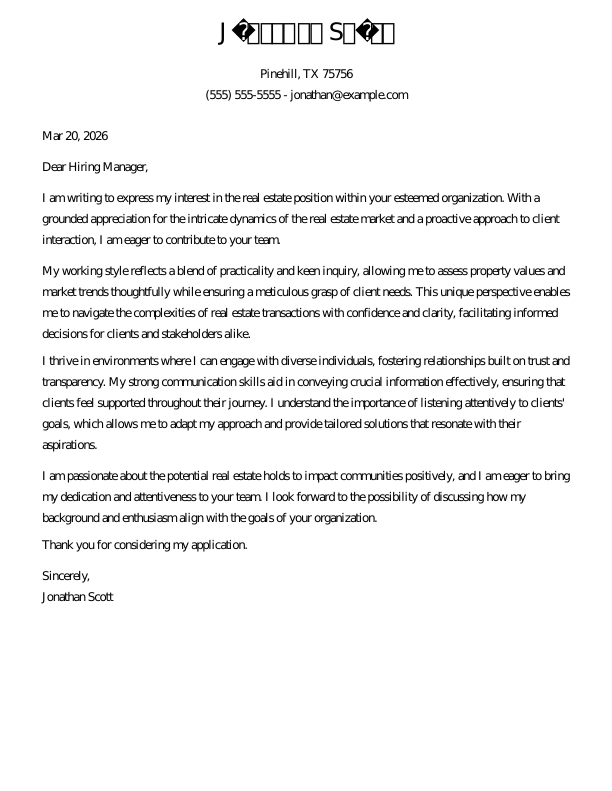
Cover Letter Examples by Industry

Industry
- Accounting
- Administrative
- Agriculture-Farming
- Aviation
- Banking
- Billing & Collections
- Biology
- Business Executive
- Business Operations
- Child Care
- Computer Software
- Construction
- Copywriting
- Cosmetology
- Culinary
- Customer Service
- Dance
- Data Systems Administration
- Dentist
- Driving
- Education
- Electrical
- Electrical Engineering
- Engineering
- Entertainment
- Event Planning
- Film
- Finance
- Fitness Nutrition
- Food Service
- General Laborer
- Healthcare Support
- Hospitality
- Human Resources
- Hvac
- Information Technology
- Insurance
- Inventory Management
- Janitorial
- Law
- Law Enforcement
- Library
- Logistics
- Marketing
- Mechanic
- Mechanical Engineering
- Medical
- Museum
- Nursing
- Pest Control
- Pharmaceutical
- Physical Therapy
- Production
- Project Manager
- Quality Control
- Real Estate
- Retail
- Safety Security
- Sales
- Social Services
- Special-education
- Sports
- Statistics
- Student
- Supervisor
- Teaching
- Team Lead
- Training Development
- Transportation
- Veterinary
Create Your Perfect Cover Letter Today
Use our cover letter examples as inspiration and start crafting your cover letter with expert content suggestions tailored to your skills and experience.
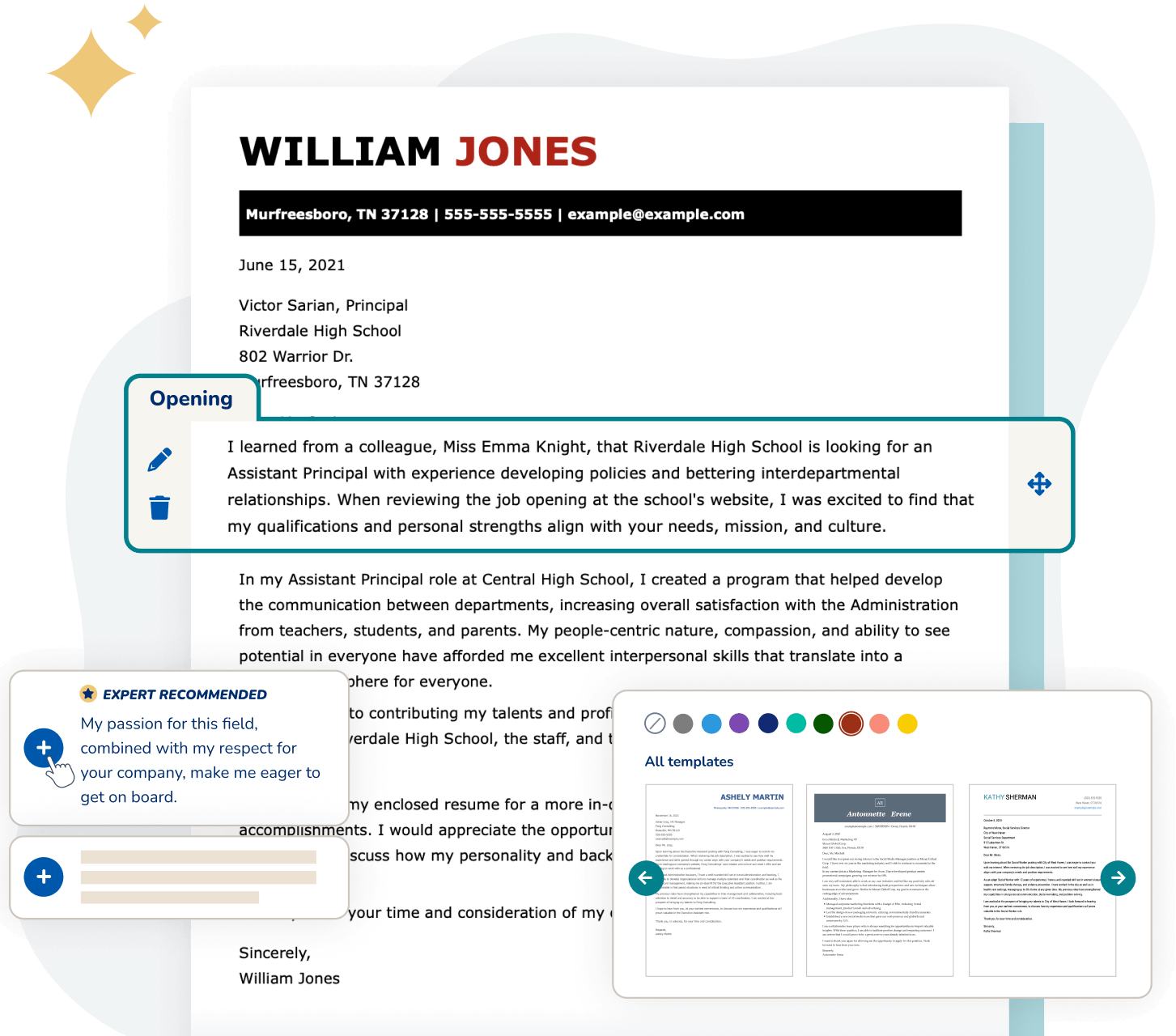
What Should a Cover Letter Include?
A cover letter should include a clear introduction, a tailored summary of your most relevant skills and achievements, and a strong closing that reinforces your interest in the role. Explore each section below, then use our Cover Letter Generator to take the guesswork out of writing yours.
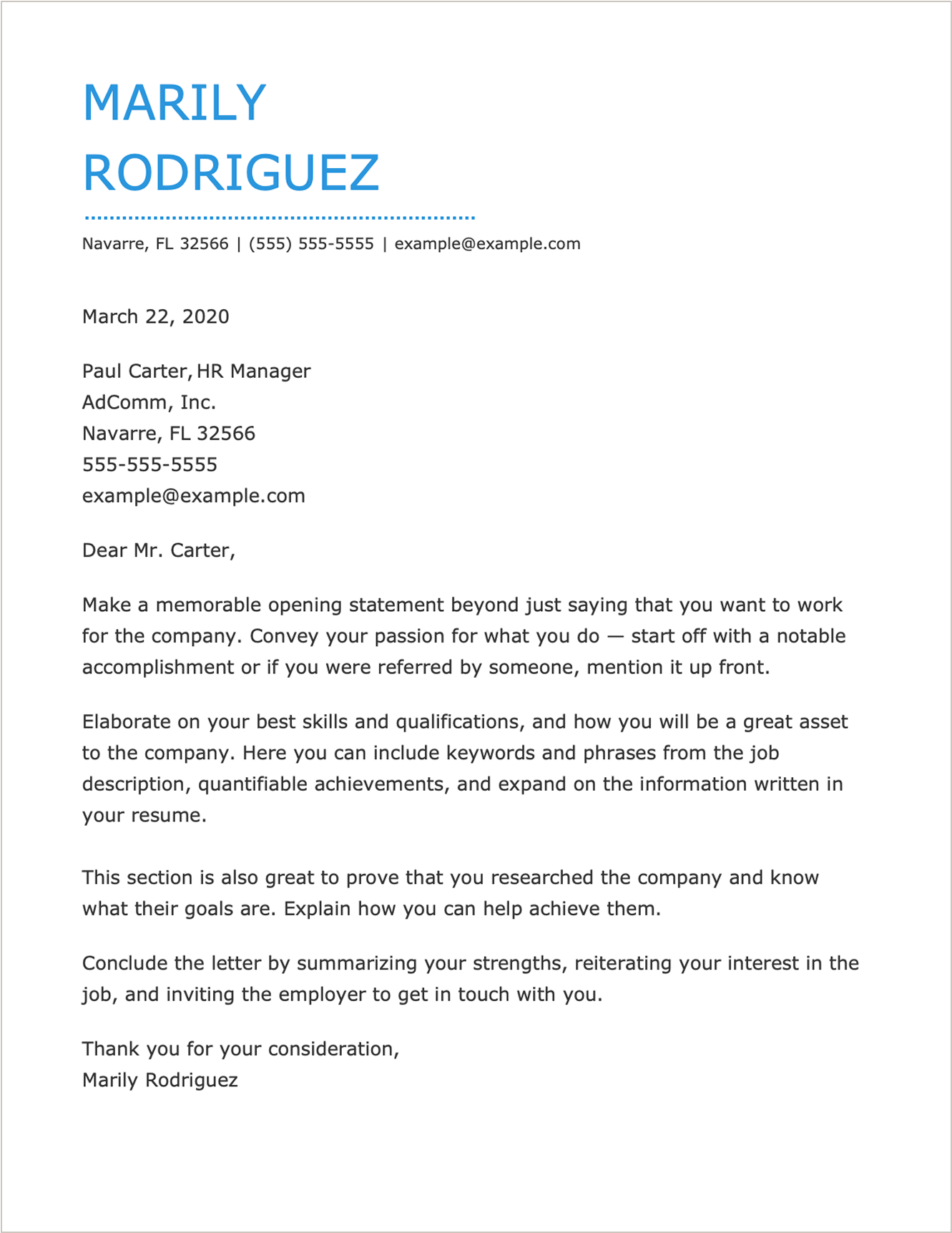
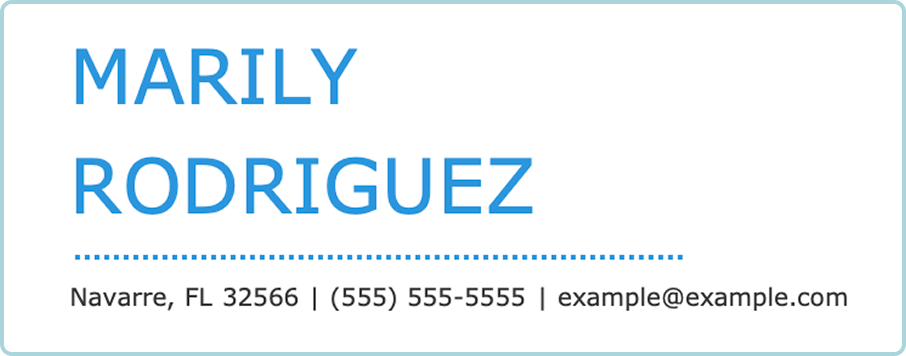
Contact Information
Your cover letter header should include your name, address, phone number, and email. Place the date one to two lines below your contact information.
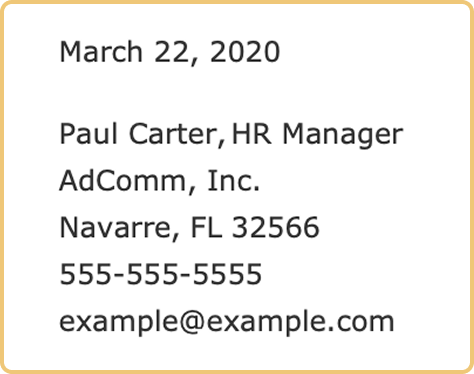
Employer Information
Include the hiring manager’s name and job title (if available), the company name, and the company’s full address, including street, city, state, and zip code.

Salutation
When possible, address the letter to a specific person. If you can’t find the hiring manager’s name, address the appropriate department or use a general greeting, such as “Dear Hiring Manager” or “Dear Recruiting Team.”

Opening
Your opening paragraph should immediately express your enthusiasm for the opportunity. You can briefly reference a mutual connection or highlight a key accomplishment that makes you a strong candidate.
Body
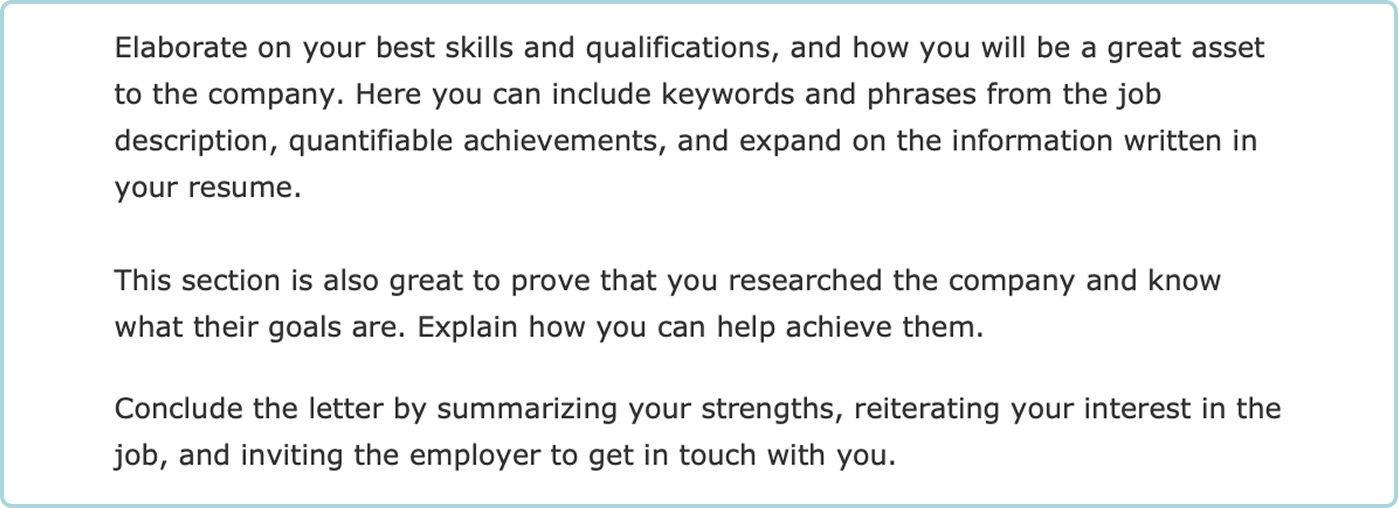
Expand on your accomplishments and skills to highlight your value, using specific examples that demonstrate your impact. Incorporate measurable results and relevant keywords from the job description.

Closing
Express gratitude for the reader’s time and consideration, reinforce your enthusiasm for the role, and include a call to action. End with a professional sign-off, such as “Sincerely” or “Best regards,” followed by your name.
Frequently Asked Questions
Last Updated:
What do I write in a cover letter example?
A cover letter example shows you how to structure and write your cover letter, including what to say in each section. You can use the example as a starting point to write a brief introduction, a tailored summary of your most relevant skills and achievements, and a closing that reinforces your interest in the role. Connect your experience to the employer’s needs and include specific examples of impact to demonstrate your value.
What five things should a cover letter include?
The five things a cover letter should include are a clear introduction, the position you’re applying for, relevant skills or accomplishments, evidence of how you can contribute to the employer, and a strong closing. Keep each point focused on the specific job rather than repeating information from your resume.
What’s a good opening sentence for a cover letter?
A good opening sentence for a cover letter states the position you’re applying for and gives the employer a reason to keep reading. For example, you could lead with a relevant accomplishment, skill, or area of expertise that directly connects to the role. Avoid generic openings and use the first sentence to establish your relevance to the position.
What are the three golden rules in writing a cover letter?
The three golden rules for writing a cover letter are to tailor it to the job, focus on what you can offer the employer, and keep it clear and concise. Highlight skills and accomplishments that match the position, explain how your experience can benefit the employer, and remove unnecessary details or repetition.
What should you not include in a cover letter?
You shouldn’t include irrelevant personal information, negative comments about previous employers, salary demands, or information that simply repeats your resume. You should also avoid generic statements, spelling or grammar errors, and overly long explanations. Instead, focus your cover letter on relevant qualifications, accomplishments, and why you’re a strong fit for the specific position.
What makes a cover letter stand out?
A cover letter stands out when it’s tailored to the job, highlights relevant skills and accomplishments, and clearly shows what you can bring to the role. Use specific examples rather than repeating your resume, and connect your experience to the employer’s needs. A clear, confident tone and concise writing can also help your cover letter make a stronger impression.
Should I write a new cover letter for every job?
Yes, you should write a new cover letter for every job application because each position and employer has different needs. Tailoring your cover letter lets you emphasize the accomplishments, experience, and skills most relevant to the job description. You can reuse a basic structure or template, but the content should be customized for each position.
Can employers tell if you use ChatGPT for a cover letter?
Employers generally can’t reliably tell whether you used ChatGPT to write a cover letter, but generic or overly polished language may make it feel AI-generated. If you use ChatGPT, personalize the letter with your own experience, accomplishments, voice, and reasons for wanting the role. Always review the final version to make sure it accurately represents you.
What are five common cover letter mistakes?
Five common cover letter mistakes are using generic content, repeating your resume, focusing too much on what you want, including irrelevant information, and making spelling or grammar errors. Avoid these mistakes by tailoring your letter to the position, emphasizing what you can offer the employer, and keeping the content clear, concise, relevant, and error-free.
Rate this article
Cover Letter Examples


Elizabeth is a Certified Professional Resume Writer (CPRW) and a member of the Professional Association of Resume Writers & Career Coaches. She is committed to helping job seekers navigate the job market and succeed in their careers.
More Articles by Elizabeth Muenzen, CPRWShare this page
 Add MyPerfectResume as a preferred source on Google
Add